Product Design, Manufacturing & Innovation Resources

تحليل مجال القوة

تحليل مجال القوة

تحليل مجال القوة

الهدف:

لتحليل القوى المؤيدة والمعارضة للتغيير المقترح.

كيفية استخدامه:

الايجابيات

سلبيات

الفئات:

الأفضل لـ:

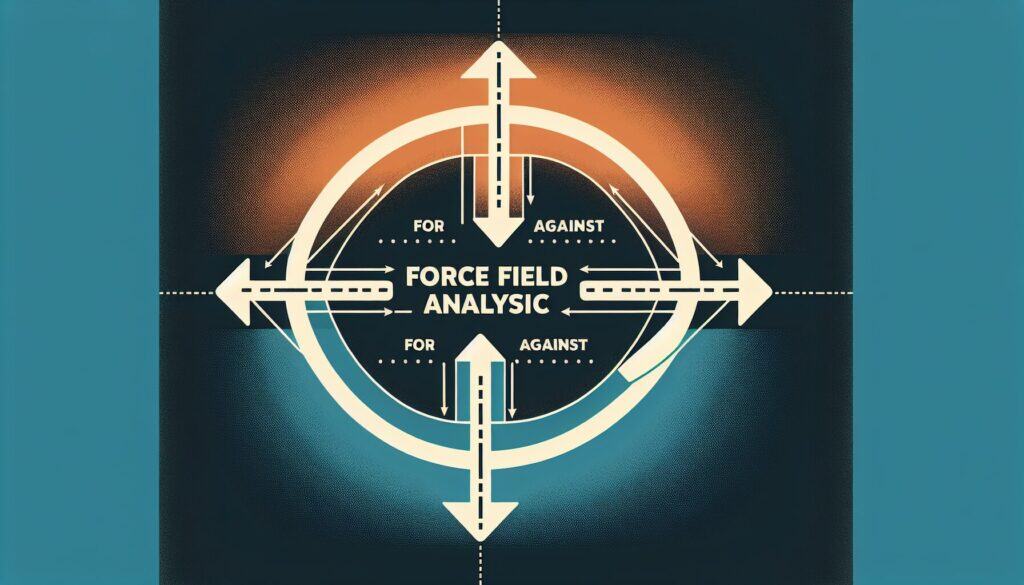
Force Field Analysis is widely applied across various sectors such as healthcare, education, manufacturing, and software development during the planning and implementation phases of projects that involve change initiatives. This methodology is typically initiated by project managers, change agents, or team leaders who seek to drive significant modifications, like the introduction of new technologies or reforms in organizational policies. It is valuable during the early stages of projects when understanding stakeholder perceptions is essential for success or when conducting impact assessments related to potential changes. Participants in these discussions often include cross-functional teams comprising engineers, designers, business analysts, and end-users, ensuring diverse perspectives are represented. By quantifying driving and restraining forces, teams can visualize the balance of power influencing the change process, which aids in facilitating open dialogue for consensus-building. For example, in an engineering context, Force Field Analysis may be employed during the design phase of a new product to weigh the benefits of cutting-edge materials against potential production challenges, enabling more informed decision-making. Furthermore, it supports strategic planning by allowing organizations to formulate actionable steps to bolster supportive factors while mitigating resistance, thus increasing the likelihood of successful implementation within a structured change management framework.

الخطوات الرئيسية لهذه المنهجية

  1. حدد بوضوح مبادرة التغيير أو القرار المراد تحليله.
  2. حدد جميع القوى الدافعة التي تدعم التغيير وقم بإدراجها.
  3. حدد واذكر جميع القوى المقيدة التي تعارض التغيير.
  4. قم بتخصيص درجات لكل قوة دافعة وقوة كبح وفقًا لتأثيرها.
  5. قم بإنشاء تمثيل مرئي للقوى الدافعة والكابحة.
  6. قم بتحليل توازن القوى لفهم النتائج المحتملة.
  7. تطوير استراتيجيات لتعزيز القوى الدافعة وتخفيف القوى المقيدة.
  8. قم بتنفيذ الاستراتيجيات ورصد آثارها على قوى الدفع والكبح.

نصائح للمحترفين

  • قم بإدراج ملاحظات أصحاب المصلحة طوال عملية تحليل مجال القوى لتحسين فهم القوى الدافعة والقيود.
  • استخدم نظام تسجيل يحدد قوة كل قوة، مما يتيح إجراء مناقشات قائمة على البيانات حول تحديد الأولويات وتطوير الاستراتيجية.
  • قم بمراجعة وتحديث تحليل مجال القوى بانتظام للتكيف مع العوامل الداخلية والخارجية المتغيرة التي قد تؤثر على مبادرة التغيير.

لقراءة عدة منهجيات ومقارنتها, نوصي باستخدام

> مستودع المنهجيات الشامل  <
مع أكثر من 400 منهجية أخرى.

نرحب بتعليقاتكم على هذه المنهجية أو المعلومات الإضافية على قسم التعليقات أدناه ↓، وكذلك أي أفكار أو روابط متعلقة بالهندسة.

السياق التاريخي

1910
1912
1915
1915-11
1916
1918
1919-05-29
1910
1911-04-08
1913
1915
1916
1917
1918
1920

(إذا كان التاريخ غير معروف أو غير ذي صلة، على سبيل المثال "ميكانيكا الموائع"، يتم توفير تقدير تقريبي لظهوره الملحوظ)

منشورات ذات صلة

الصور بالحجم الكامل والتنزيلات متاحة فقط 100% مجاناً للأعضاء المسجلين.