development of hydrogen-resistant alloys for pipelines and storage tanks
التحسين المستمر, بيئة العمل, العوامل البشرية, التصنيع الرشيق, تحسين العمليات, إنتاجية, إدارة الجودة, أمان, تمرين
الهدف:
لمنع إرهاق الموظفين والمعدات والأنظمة بما يتجاوز قدرتها المصممة.
كيفية استخدامه:
يركز مفهوم "لين" على ضمان أن تكون متطلبات العمل معقولة ولا تُرهق الموارد بشكل مفرط. ويشمل ذلك تصميم العمل المناسب، والتدريب، ومراعاة بيئة العمل، وتوحيد العمل.
الايجابيات
يحسن رفاهية الموظفين وسلامتهم؛ ويقلل من الأعطال والعيوب الناتجة عن الإجهاد المفرط؛ ويعزز الإنتاجية والاستدامة على المدى الطويل؛ ويؤدي إلى جودة أفضل.
سلبيات
قد يكون تحديد "العبء الزائد" أمراً شخصياً؛ وقد يبدو تقليل موري في بعض الأحيان أنه يقلل من الإنتاج على المدى القصير إذا لم يتم تحسين العمليات أيضاً للتعامل مع الحمل بكفاءة؛ ويتطلب ذلك موازنة دقيقة لعبء العمل وتصميم العمليات.
الفئات:
بيئة العمل, الموارد البشرية, لين سيجما, تصنيع, جودة
الأفضل لـ:
ضمان عمليات مستدامة وآمنة من خلال تصميم أنظمة عمل تتجنب الإجهاد المفرط على الأفراد والآلات.
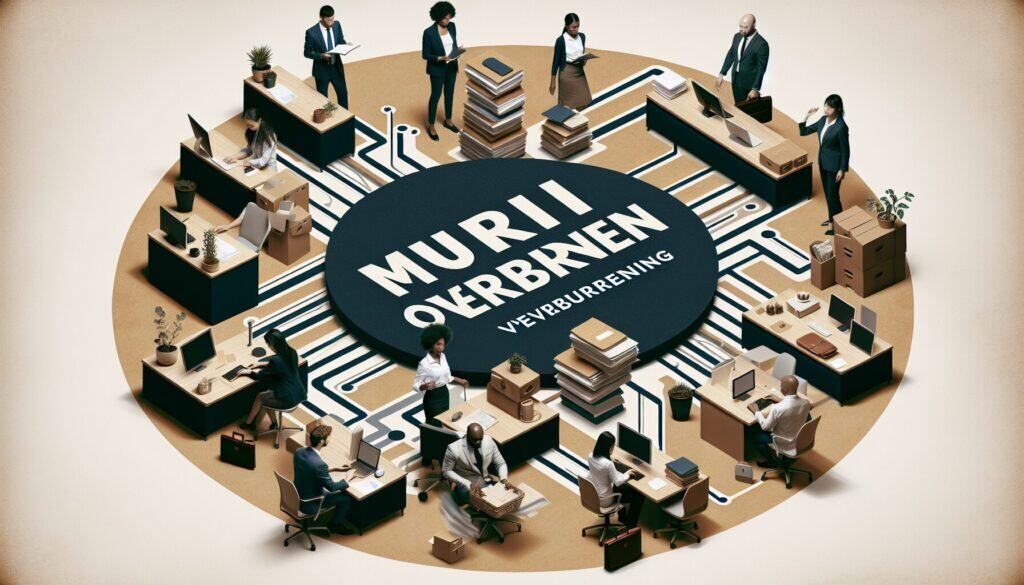
Muri, or the concept of overburden, finds its application across various industries such as manufacturing, healthcare, and construction, where excessive workload can lead to operational inefficiencies. The methodology is particularly beneficial in the project phases involving work design and system implementation, facilitating a comprehensive evaluation of existing job structures and identifying areas prone to overburden. It is frequently initiated by team leaders and project managers but ideally involves cross-functional collaboration among engineers, safety officers, and human resources specialists to ensure a holistic approach. Ergonomic assessments play a pivotal role in this methodology, allowing for the redesign of workstations and processes to accommodate human capabilities and limitations, which is crucial in minimizing the physical strain on workers. Training programs focused on efficient work practices, safety protocols, and stress management can be developed as part of Muri implementation, further enhancing employee morale. In sectors such as healthcare, where worker fatigue can critically affect patient care, the adoption of Muri often leads to improved job satisfaction and reduced turnover rates. By mitigating strain on both personnel and machinery, organizations can expect a decrease in equipment malfunctions and product defects, thereby bolstering quality control efforts. This enhances sustainability as businesses operate more efficiently and reduce waste, contributing positively to their long-term goals. Ultimately, engaging in Muri not only promotes a safer work environment but also aligns with lean manufacturing principles that prioritize value creation while minimizing unnecessary resource consumption.
الخطوات الرئيسية لهذه المنهجية
حدد المهام التي تؤدي إلى إرهاق الموظفين وقم بتحليل تأثيرها على الموارد.
إعادة تصميم سير العمل للتخلص من الخطوات غير الضرورية وتقليل عبء العمل.
قم بإجراء تقييمات مريحة لتقليل الإجهاد البدني على العمال.
توحيد إجراءات العمل لضمان الاتساق وتقليل الاختلافات.
توفير تدريب مُوجّه لتعزيز المهارات والكفاءة في تنفيذ المهام.
راقب بيئة العمل بانتظام بحثًا عن علامات الإرهاق وقم بإجراء التعديلات حسب الحاجة.
شجع الموظفين على تقديم ملاحظاتهم بشأن عبء العمل والتحديات التشغيلية.
نصائح للمحترفين
قم بتطبيق أنظمة مراقبة في الوقت الفعلي لقياس عبء العمل ومستويات الإجهاد، مع تعديل المهام ديناميكيًا لمنع الإرهاق.
Develop cross-training programs that enhance skill versatility, enabling employees to shift tasks without excess strain or downtime.
قم بإدراج حلقات التغذية الراجعة من العمال لتحديد أوجه القصور وتحسين تصميم المهام، مما يعزز ثقافة التحسين المستمر.