Product Design, Manufacturing & Innovation Resources

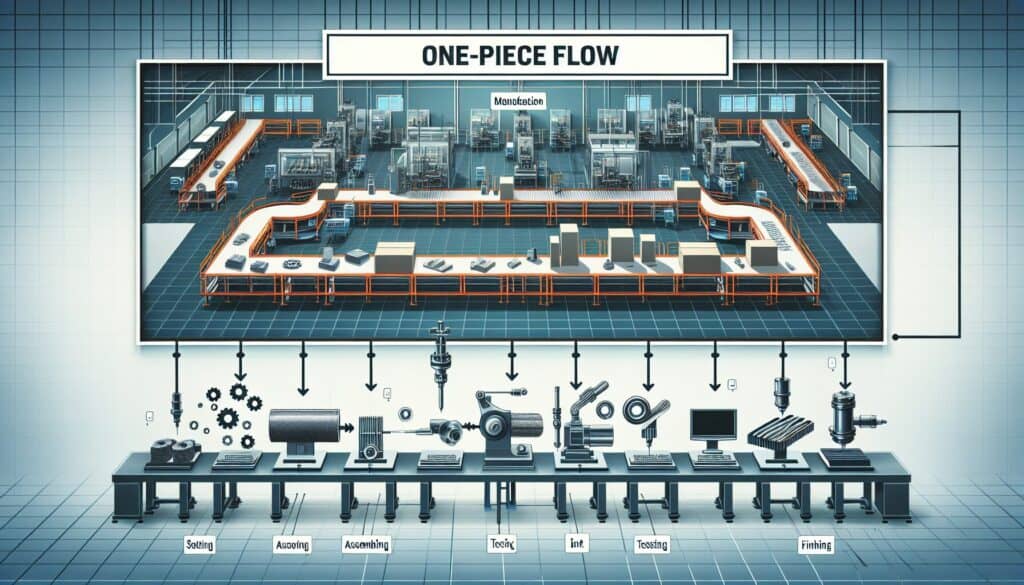
تدفق قطعة واحدة

تدفق قطعة واحدة

تدفق قطعة واحدة

Objective:

إنتاج ونقل عنصر واحد في كل مرة (أو دفعة صغيرة جدًا) بين العمليات، بدلاً من المعالجة على دفعات كبيرة.

How it’s used:

الايجابيات

سلبيات

Categories:

الأفضل لـ:

One-Piece Flow is commonly employed in industries such as automotive manufacturing, electronics, and consumer goods, where speed and efficiency are paramount due to high competition and rapid market changes. This methodology is particularly effective during assembly processes and demands a high degree of coordination among teams, prompting cross-functional collaboration between engineers, designers, and production staff to optimize workflow. Initiated by lean practitioners or process improvement teams, it often begins in pilot projects or specific product lines, enabling organizations to assess feasibility before a full-scale rollout. Implementation requires a thorough understanding of product variations and customer demand patterns to effectively operate the flow with minimal disruption. Techniques such as رسم خريطة سلسلة القيمة may be utilized to identify bottlenecks and enhance layout design for improved flow, directly influencing cycle times and inventory levels. Industries employing One-Piece Flow benefit from enhanced customer satisfaction due to reduced lead times and improved responsiveness to shifts in demand, making it especially suited for environments where customization is valued. The integration of technology, like real-time data tracking systems, reinforces this methodology by providing visibility into each step of the process, facilitating quicker adjustments to production schedules when necessary. Training and involvement of all stakeholders, including shop floor workers and management, are crucial in sustaining these improvements, creating a culture that supports continuous improvement and innovation throughout the production cycle.

Key steps of this methodology

  1. صمم تخطيط محطات العمل بتسلسل خطي بناءً على تدفق المنتج.
  2. قم بتطبيق إجراءات عمل موحدة في كل محطة عمل لضمان الاتساق.
  3. تدريب المشغلين على تعدد المهام لتقليل الاعتماد على أدوار محددة.
  4. قم بإنشاء إشارات سحب لتحفيز الإنتاج بناءً على الطلب الحالي.
  5. مراقبة سير العمل باستمرار لتحديد الاختناقات وإزالتها.
  6. قم بدمج عمليات فحص مراقبة الجودة في كل محطة عمل للحصول على ملاحظات فورية.
  7. شجع التعاون بين مختلف الأقسام لمعالجة المشكلات عند ظهورها.
  8. استخدم أدوات الإدارة المرئية لتتبع تقدم الإنتاج في الوقت الفعلي.
  9. قم بإجراء تقييمات دورية لتحسين سير العمل وتعديل العمليات حسب الضرورة.

نصائح احترافية

  • advances in porcelain and material science
  • the need to isolate bacteria and viruses from liquids
  • sterilization of heat-sensitive pharmaceuticals like vaccines and protein solutions

To read and compare several methodologies, we recommend the

> Extensive Methodologies Repository  <
together with the 400+ other methodologies.

Your comments on this methodology or additional info are welcome on the comment section below ↓ , so as any engineering-related ideas or links.

السياق التاريخي

1930
1930
1934
1940
1940
1940
1940
1930
1930
1930
1940
1940
1940
1940
1940

(إذا كان التاريخ غير معروف أو غير ذي صلة، على سبيل المثال "ميكانيكا الموائع"، يتم توفير تقدير تقريبي لظهوره الملحوظ)

أحدث الإضافات

أهم المنشورات والمقالات

أفضل الأدوات الأصلية

السنة العاشرة عيد

الصور والتنزيلات بالحجم الكامل متاحة فقط، ومجانية تمامًا، للأعضاء المسجلين.