
The COVID-19 pandemic, while challenging, has قاد to a few positive outcomes: global lockdowns resulted in significant reductions in air and water pollution. It also accelerated digital transformation, leading to widespread adoption of telehealth services and online education, thereby enhancing accessibility and increased family time and community support initiatives and empathy among individuals.
Important preamble: the ratio benefit/risk, as looked after in the medical or critical industries, is far from positive in this case, with an estimation ranging from 7 (source: ويكيبيديا) to 20+ millions deaths. This article is just trying to learn a bit from mistakes, looking at some lessons learned in a continuous-improvement approach, and highlighting the bit of good out of it.
الخدمات اللوجستية
The COVID-19 pandemic significantly accelerated advancements in global logistics, prompting widespread adoption of digital technologies, automation, and data-driven strategies to enhance efficiency, resilience, and sustainability.
Digitalization
The pandemic underscored the necessity for real-time visibility and predictive capabilities within supply chains. Logistics companies increasingly integrated Internet of Things (إنترنت الأشياء) sensors, GPS tracking, and telematics into their operations. These technologies enabled precise monitoring of goods’ conditions and locations, facilitating proactive route adjustments and minimizing disruptions.
Agility and Resilience in Supply Chain
The pandemic highlighted vulnerabilities in traditional supply chain models, prompting a shift towards more agile and resilient structures. Some organizations moved away from في الوقت المناسب inventory systems, opting for buffer stocks and diversified sourcing strategies to mitigate risks associated with supply chain disruptions . This approach enhanced the ability to respond swiftly to market fluctuations and unforeseen events.
Last-Mile Delivery Innovations
With the surge in e-commerce, last-mile delivery became a critical focus. Logistics companies adopted contactless delivery methods, including smart lockers and automated delivery vehicles, to ensure safety and efficiency.
Solidarity
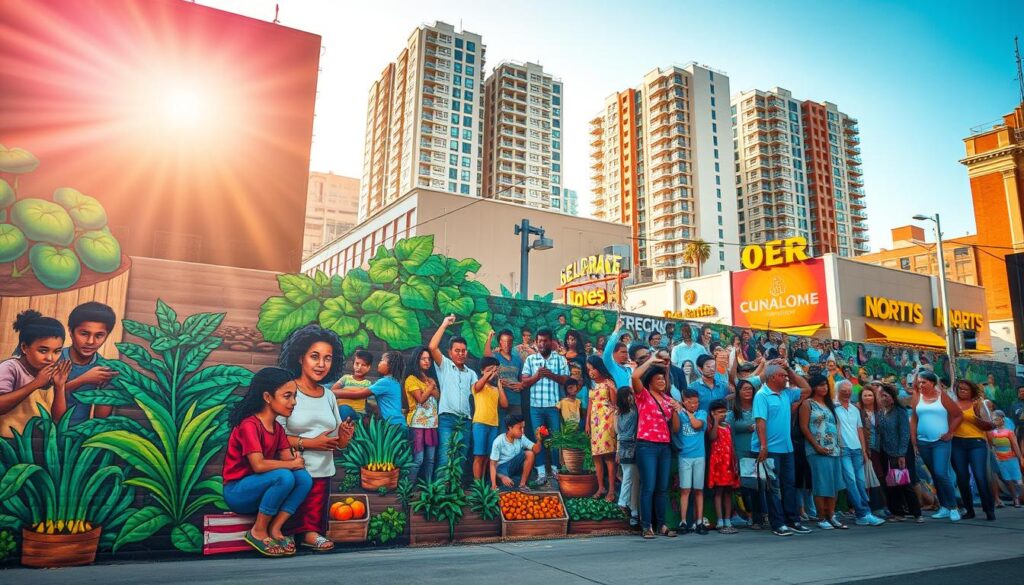
Throughout the COVID-19 pandemic, local communities worldwide have demonstrated remarkable solidarity through various initiatives aimed at supporting and uplifting each other during challenging times. Some examples among many:
- Philippines, operating under the principle “give according to your ability, take according to your need.” This grassroots effort inspired hundreds of similar pantries across the country, fostering a culture of mutual aid and resource sharing
- During Italy’s strict lockdowns, residents in cities lifted spirits by singing together from their balconies. In many other countries people were clapping their hands a defined times to support careers.
- To combat food insecurity exacerbated by the pandemic, community fridges emerged in big cities. These fridges, often referred to as “Friendly Fridges,” are stocked with free, accessible food, embodying the principles of mutual aid and community support.
These examples underscore the profound capacity of local communities to come together, innovate, and support one another in the face of adversity, highlighting the enduring power of solidarity during the COVID-19 pandemic.
The rest of this article is reserved for members
To limit scraping bots (currently 40,000 hits per day!),
we had to restrict access to full articles and tools to registered members only.
to access all the rest.