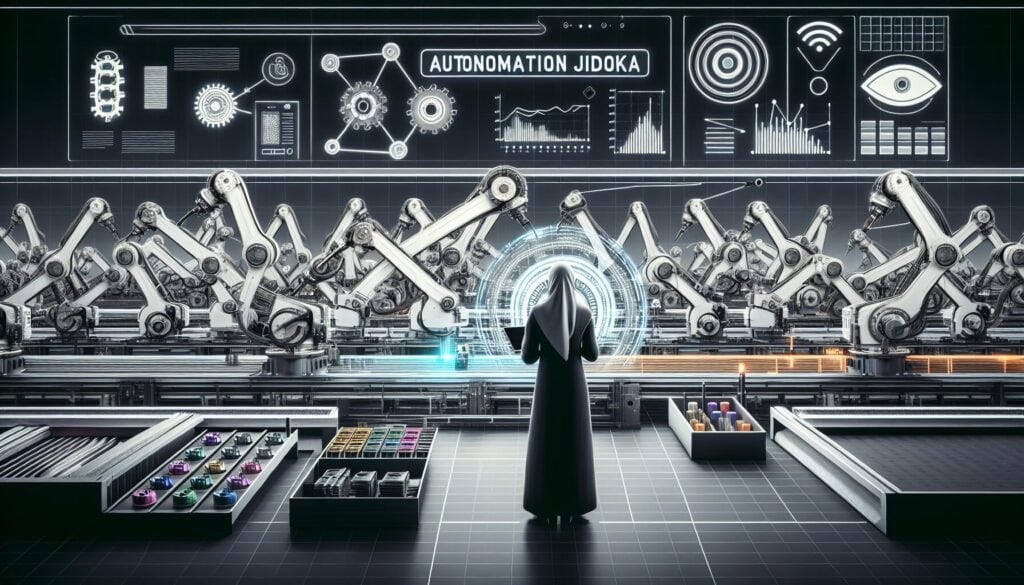
Autonomation, or Jidoka, plays an important role in various industries such as automotive, electronics, and consumer goods manufacturing, where precision and quality are paramount. In the design phase, engineers might integrate sensors and automated stopping mechanisms into machinery, enabling equipment to halt instantly when a defect is detected. This not only protects the integrity of the product but also facilitates a quick response to issues, promoting a culture of continuous improvement within teams. In an assembly line context, operators can oversee several machines, enhancing their efficiency, as they focus on problem-solving rather than merely monitoring the assembly process. Training programs for workers typically include initiatives to enhance their technical skills, allowing them to identify the root causes of defects and implement corrective measures. Participation in these initiatives may involve cross-functional teams, including engineers, quality assurance specialists, and operators, working together to establish protocols that prioritize defect prevention and operational excellence. In the context of maintenance, the method reduces the likelihood of machine breakdowns by addressing potential failures before they escalate, thereby extending equipment life and reducing maintenance costs. Various software tools are available to monitor machine performance and collect data, which can be analyzed to identify trends and areas for improvement, reinforcing the cycle of quality management and operational effectiveness.
该方法的关键步骤
设计带有内置传感器的机械设备,以便检测异常和故障。
当出现问题时,应实施自动停机机制以停止生产。
加入视觉警报,以便在出现问题时向操作人员发出信号。
培训操作人员在机器停止运转时直接解决问题。
制定操作规程,以便操作人员能够快速检查和解决发现的问题。
分析停机数据,找出缺陷的根本原因并实施纠正措施。
根据停机检修中获得的经验教训,不断改进机器和工艺。
专业提示
实施利用物联网技术收集机器性能和停机数据的实时监控系统,从而能够更快地响应异常情况。
定期开展以操作员解决问题能力为重点的培训课程,确保他们能够在工作流程中有效运用自动化原则。
Integrate root cause analysis methodologies, such as the 5 Whys, into the post-stoppage review process to facilitate deeper understanding and long-term solutions.