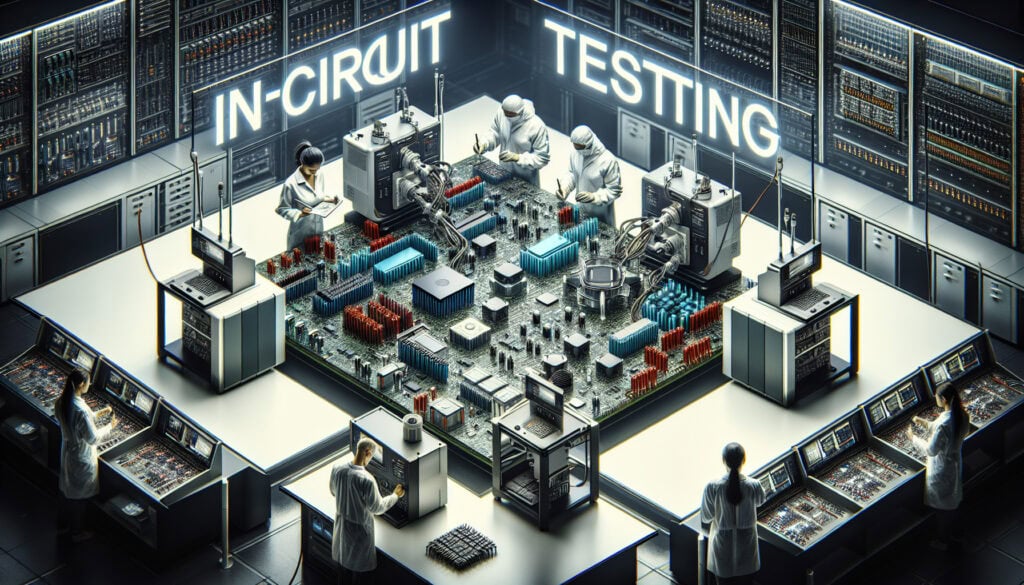
在线测试(ICT)在消费电子、汽车和医疗设备等对印刷电路板的高可靠性和高性能要求极高的行业尤其具有优势。这种方法通常集成在以下产品的生产过程中 PCB 制造, specifically in the later phases where components have been soldered but prior to final assembly. This context allows for the rapid identification and rectification of issues such as solder bridging, incorrect component placements, or open circuits, which could otherwise lead to product failures. Key participants in this testing process include test engineers who design the test fixtures and programs, as well as manufacturing technicians responsible for operating the ICT equipment. The integration of ICT into a production line not only promotes 质量保证 but also enhances manufacturing yields, as defects can be tackled before the product undergoes further assembly or incurs additional costs in later stages. Moreover, with automated testing protocols, ICT can provide consistent results that support high-volume production environments, making it suitable for any production scale, from prototyping phases to mass production. As industries increasingly push for edge cases like miniaturization and complex circuitry, ICT can adapt by incorporating advanced functionalities such as boundary-scan testing for digital 设计验证, 这进一步增强了其在稳健测试场景中的实用性。.