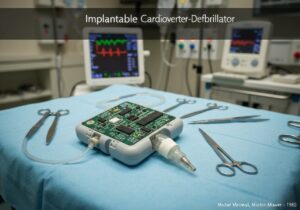
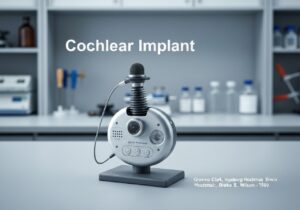
医疗器械根据其对患者和使用者构成的风险进行分类。美国FDA和欧盟等监管机构采用的这种基于风险的分类方法通常包含三到四个等级(例如,I类、IIa类、IIb类、III类)。压舌板等低风险器械属于I类,而起搏器等高风险生命维持器械属于III类。

(图片仅供参考)
医疗器械根据其对患者和使用者构成的风险进行分类。美国FDA和欧盟等监管机构采用的这种基于风险的分类方法通常包含三到四个等级(例如,I类、IIa类、IIb类、III类)。压舌板等低风险器械属于I类,而起搏器等高风险生命维持器械属于III类。
The risk-based classification system is a cornerstone of modern medical device regulation worldwide. It acknowledges that a one-size-fits-all regulatory approach is inefficient and potentially unsafe. Instead of subjecting every device to the most stringent review, regulators tailor their oversight to the potential for harm. The classification is determined by factors such as the device’s intended use, duration of contact with the body, degree of invasiveness, and whether it delivers energy or has a biological effect.

例如,在美国,I类医疗器械(例如弹性绷带)受“一般控制”的约束,包括注册和正确标签。II类医疗器械(例如输液泵、电动轮椅)除一般控制外,还需要“特殊控制”,通常包括性能标准和上市前通知(510(k))。风险最高的III类医疗器械(例如植入式心脏起搏器、心脏瓣膜)需要最严格的“上市前批准”(PMA),这涉及提交大量的临床数据以证明其安全性和有效性。
这种分级制度使监管机构能够将资源集中用于风险最大的医疗器械,同时促进低风险创新产品的市场准入。这一理念是美国1976年《医疗器械修正案》的基础,并已被全球监管机构采纳和借鉴,成为欧盟《医疗器械法规》(MDR)等框架的基础。
基于风险的医疗器械分类
(如果日期未知或不相关,例如“流体力学”,则提供其显著出现的近似估计)
只有注册会员才能免费获得 100% 的全尺寸图片和下载。.
> 登录 <