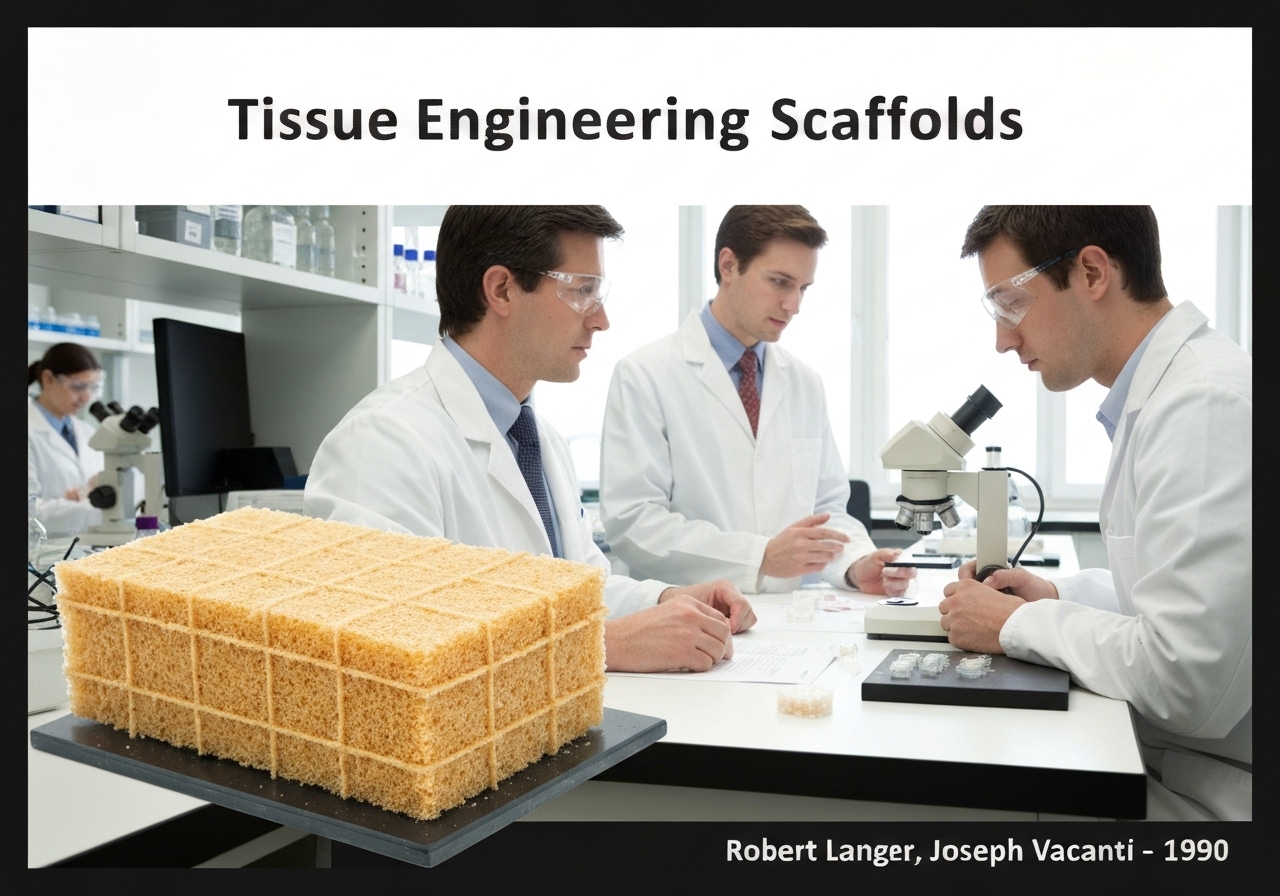
The design of a tissue engineering scaffold is a complex optimization problem. The material choice is critical; natural polymers like collagen and alginate offer excellent biocompatibility but may have poor mechanical properties, while synthetic polymers like poly(lactic-co-glycolic acid) (PLGA) and polycaprolactone (PCL) offer tunable degradation rates and mechanical strength. The scaffold’s architecture is equally important. High porosity and an interconnected pore structure are essential for cell infiltration and the diffusion of oxygen, nutrients, and metabolic waste. Pore size must be optimized for the specific cell type to facilitate adhesion and tissue formation. Advanced fabrication techniques are used to control these architectural features. For example, electrospinning uses a high voltage to draw a polymer solution into nanofibers that mimic the natural extracellular matrix (ECM). Additive manufacturing (3D printing) allows for the creation of patient-specific scaffolds with precise geometries derived from medical images like CT scans. Furthermore, scaffolds can be functionalized by incorporating growth factors, signaling molecules, or nanoparticles to actively direct cell behavior. The ideal scaffold degrades via hydrolysis or enzymatic action at a rate that matches the rate of new tissue formation, gradually transferring mechanical load to the nascent tissue until the scaffold is completely replaced by healthy, functional host tissue. Bioreactors are often used to mature these constructs in vitro by providing controlled flow and mechanical stimuli before implantation.