제조를 고려한 설계(DfM), 지속가능성을 위한 디자인, 인간 공학, 인간적 요소, 인간공학(HFE), 린 제조, 프로세스 개선, 품질 관리, 안전
목적:
밀고 당기는 작업에 대한 안전 한계를 설정하기 위해.
사용 방법:
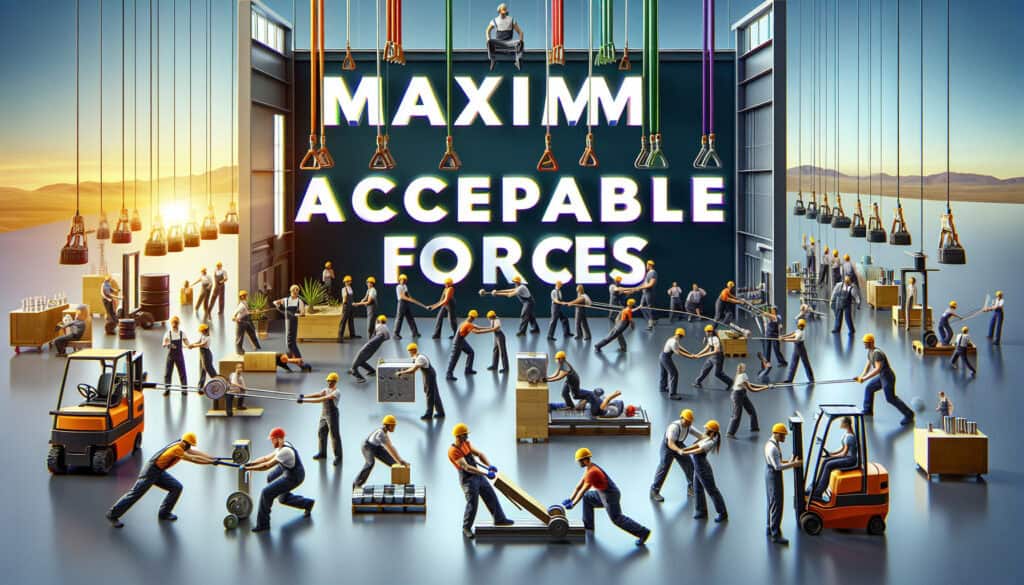
인체공학적 지침은 종종 표(예: 스누크 표) 형태로 제시되며, 인구의 다양한 비율에 대해 밀고 당기는 작업에 허용되는 최대 힘을 정의합니다.
장점
밀고 당기는 동작에 대한 명확하고 근거 기반의 한계를 제시하여 보다 안전한 수동 작업 설계를 지원합니다.
단점
해당 값은 특정 통제 조건에 대한 것이며 모든 실제 시나리오에 적용되지 않을 수 있습니다.
카테고리:
인간 공학, 위험 관리
다음과 같은 경우에 가장 적합합니다:
카트나 팔레트 잭을 사용하는 것과 같은 수동 자재 운반 작업을 대다수 작업자가 안전하게 수행할 수 있도록 설계합니다.
The application of Maximum Acceptable Pushing and Pulling Forces methodology is particularly valuable in settings like warehousing, manufacturing, and healthcare, where manual material handling is prevalent. Industries involved in logistics benefit significantly from these ergonomic guidelines, which offer a systematic approach to evaluating and improving workspace designs to accommodate a wide range of body types and strengths. For instance, when designing tasks that involve the use of trolleys or pallet jacks, embracing these ergonomic limits can reduce the risk of musculoskeletal injuries among workers. Participants in this methodology’s implementation typically include ergonomists, industrial engineers, safety personnel, and human resources staff who collaborate during the design phase of new processes or equipment. In practice, these guidelines can be used to develop training programs that educate employees on safe handling techniques, ensuring a lower incidence of work-related injuries. Companies may also use simulations or field tests to quantify how changes in equipment design or workplace layout affect the pushing and pulling forces experienced by workers, allowing for adjustments that enhance performance and safety. Engaging employees in feedback loops can further refine operational strategies, leading to innovations that prioritize human factors in design and elevate overall workplace health standards while also adhering to established regulatory requirements for safety.
이 방법론의 주요 단계
수동 자재 운반에 수반되는 밀고 당기는 작업의 구체적인 유형을 파악하십시오.
설계가 적용될 모집단 백분위수를 결정합니다(예: 5번째, 50번째, 95번째 백분위수).
최대 힘 제한에 대해서는 스누크 표와 같은 기존 인체공학 지침을 참조하십시오.
필요한 힘에 영향을 미치는 환경 조건(예: 지면, 경사, 하중 안정성)을 평가합니다.
밀고 당기는 동작 중 자세 및 신체 역학에 초점을 맞춰 작업의 생체 역학을 평가합니다.
파악된 요인과 인체공학적 원칙에 따라 설계 변경을 시행합니다.
실제 환경에서 대표적인 사용자를 대상으로 테스트 설계를 수행하여 인체공학적 적합성을 검증합니다.
피드백과 성능 지표를 기반으로 설계 조정 작업을 반복합니다.
프로 팁
설계 단계에서 힘 측정 도구를 활용하여 대상 사용자 집단에 특화된 밀고 당기는 힘에 대한 실시간 데이터를 수집하십시오.
사용자의 키와 손 크기에 맞춰 조절할 수 있는 손잡이나 그립을 장비에 통합하여 편안함을 높이고 피로를 줄이십시오.
스누크 테이블을 벤치마크로 사용하여 다양한 무게와 조건으로 반복적인 사용자 테스트를 실시하여 수동 취급 설계의 실용성과 인체공학적 측면을 평가합니다.