지속적인 개선, 비용 배분, Just-in-Time (JIT), 린 제조, 기호 논리학, 프로세스 최적화, 품질 관리, 공급망
목적:
고객 수요를 충족하면서 비용을 최소화하기 위해 적절한 재고량을 관리하고 유지합니다.
사용 방법:
The process of managing a company's inventory levels, including ordering, storing, and tracking inventory. The goal is to have the right products in the right place at the right time to meet customer demand without tying up too much capital in inventory.
장점
재고 유지 비용과 진부화 위험을 줄이고, 현금 흐름과 고객 만족도를 향상시킵니다.
단점
특히 제품 종류가 많은 기업의 경우 관리가 복잡할 수 있으며, 정확한 예측과 데이터 분석이 필수적입니다.
카테고리:
린 시그마, 조작
다음과 같은 경우에 가장 적합합니다:
소매업이나 제조업에서 재고 수준을 관리하여 재고량을 최적화하고 비용을 최소화하는 것.
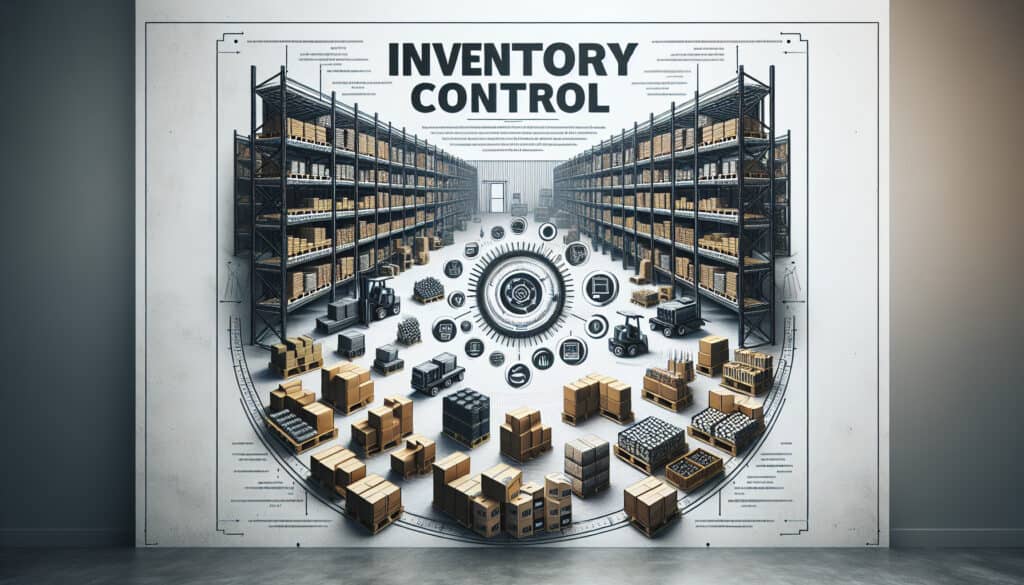
Inventory Control plays a significant role across various industries such as retail, manufacturing, and e-commerce, ensuring that stock levels are balanced and responsive to market demands. The implementation of this methodology is often initiated during the planning phase of a project, where supply chain managers and operations teams collaborate to analyze historical sales patterns, forecast future demand, and develop inventory strategies. Tools such as Just-In-Time (JIT) inventory management, Economic Order Quantity (EOQ) models, and ABC analysis are commonly employed to categorize and prioritize inventory items based on their turnover rates and contribution to overall revenue. This approach not only aids in minimizing excess stock and reducing storage costs but also enhances production efficiency, particularly in manufacturing environments. Stakeholders like suppliers, logistics providers, and sales teams play a critical part in this process by sharing real-time data and market insights, allowing for better decision-making. Industries such as pharmaceuticals, where product expiration dates are a concern, or those dealing with seasonal merchandise, benefit greatly from responsive inventory strategies that adapt to changing customer preferences. Effective Inventory Control methodologies also enable businesses to implement automated systems for tracking inventory levels, reducing manual errors, and providing heightened visibility across the supply chain, which in turn leads to improved cash flow management and elevated customer satisfaction through timely order fulfillment.
이 방법론의 주요 단계
사업 목표에 부합하는 재고 관리 목표를 정의하십시오.
수요를 정확하게 예측하기 위해 예측 기법을 활용하십시오.
EOQ와 같은 모델을 사용하여 최적 주문량을 결정하십시오.
ABC 분석과 같은 재고 분류 시스템을 구현하십시오.
제품별 최소 및 최대 재고 한도를 설정하십시오.
실시간 재고 추적을 위해 자동화 시스템을 활용하십시오.
성과 지표를 기반으로 재고 수준을 정기적으로 검토하고 조정하십시오.
수요 신호에 따라 적시에 재고를 보충할 수 있도록 공급업체와 협력하십시오.
재고 데이터를 판매 및 구매 시스템과 통합합니다.
재고 기록의 정확성을 유지하기 위해 주기적인 재고 조사를 실시하십시오.
프로 팁
적시재고관리(JIT) 방식을 도입하여 재고 수준을 생산 일정 및 고객 수요에 맞춰 조정하고 재고 유지 비용을 최소화하십시오.
머신러닝 알고리즘을 통합한 고급 예측 모델을 활용하여 수요 변동을 예측하고 주문 프로세스를 최적화하십시오.
RFID 기술을 활용하여 재고를 실시간으로 추적하고 파악함으로써 재고 불일치를 줄이고 재고 회전율을 향상시키십시오.