브레인스토밍, 지속적인 개선, 문제 해결 기법, 프로세스, 품질 관리, 근본 원인 분석, 팀워크, 가치 흐름 맵핑
목적:
특정 문제(‘효과’)의 잠재적 원인을 시각적으로 브레인스토밍하고 분류하여 근본 원인을 파악하는 것입니다.
사용 방법:
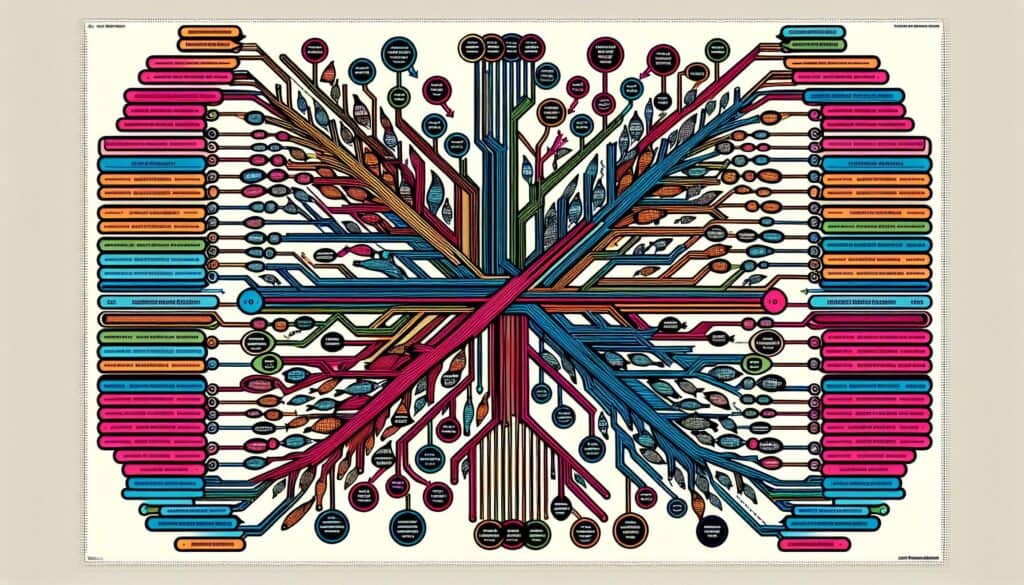
문제(결과)는 물고기의 "머리" 부분에 적혀 있습니다. 주요 원인 범주(예: 사람, 프로세스, 장비, 자재, 환경, 관리 - 또는 상황에 따라 관련 있는 기타 요인)는 "뼈대"를 형성합니다. 팀은 각 범주 내에서 구체적인 원인을 브레인스토밍합니다.
장점
다양한 잠재적 원인을 체계적으로 브레인스토밍할 수 있는 방법을 제공합니다. 복잡한 인과 관계를 시각적으로 정리합니다. 팀 참여와 다양한 관점을 장려합니다. 눈에 보이는 증상 너머를 볼 수 있도록 도와줍니다.
단점
복합적인 문제의 경우 매우 복잡하고 혼란스러워질 수 있습니다. 다양한 원인의 영향을 본질적으로 정량화하지 못합니다. 파악된 원인은 잠재적인 것이므로 추가 조사 및 검증이 필요합니다.
카테고리:
아이디어 구상, 린 시그마, 조작, 문제 해결, 품질
다음과 같은 경우에 가장 적합합니다:
특정 문제의 모든 잠재적 원인을 체계적이고 시각적인 방식으로 브레인스토밍하고 탐색합니다.
The Fishbone Diagram, or Ishikawa Diagram, is particularly useful in industries such as manufacturing, healthcare, and software development for identifying root causes of quality issues. Commonly employed during the analysis phase of problem-solving, teams typically initiate this methodology during brainstorming sessions that draw participants from diverse functions including engineering, quality assurance, operations, and management. By categorizing causes into defined groups such as People, Process, Equipment, Materials, Environment, and Management, teams can explore not just immediate factors but also underlying systemic issues contributing to a problem. This structured approach encourages collaborative input from all members, fostering a culture of engagement and shared responsibility in troubleshooting. For instance, in a product development setting, a Fishbone Diagram might be used to dissect delays in a project timeline, allowing teams to systematically address challenges ranging from resource allocation to communication breakdowns. The diagram’s visual representation enables stakeholders to grasp the interconnections among various causes, making it a practical tool for continuous improvement initiatives or root cause analysis in six sigma projects, enhancing the quality of products and services delivered. This method can be beneficial in various scenarios, such as during the review of customer feedback regarding product defects or when addressing inefficiencies in operational workflows, ensuring a comprehensive exploration of potential sources of problems while steering clear of symptomatic fixes.
이 방법론의 주요 단계
도표의 맨 위에 문제 또는 영향을 파악하고 명확하게 정의하십시오.
특정 문제와 관련된 주요 원인 범주를 선택하십시오.
물고기의 척추에서 뻗어 나오는 주요 가지처럼 각 범주를 나타내는 선을 그리세요.
각 범주별로 브레인스토밍을 실시하여 구체적인 원인을 파악하십시오.
주요 분기에서 파생되는 각 특정 원인에 대한 하위 분기를 추가합니다.
토론을 장려하고, 명확성과 관련성을 위해 원인을 다듬으십시오.
도표의 완전성을 검토하고 모든 잠재적 원인이 표현되어 있는지 확인하십시오.
프로 팁
브레인스토밍 전에 사전 설문조사를 활용하여 초기 아이디어를 수집하고, 모든 팀 구성원이 회의 전에 의견을 제시할 수 있도록 하세요.
개념이 겹치는 것을 방지하고 명확성을 높이기 위해 다양한 범주에 대해 서로 다른 피시본 다이어그램을 활용하십시오.
두 번째 토론을 진행하여 팀들이 영향력과 발생 가능성을 기준으로 원인의 우선순위를 정하고, 추가 분석 방향을 구체화하도록 합니다.