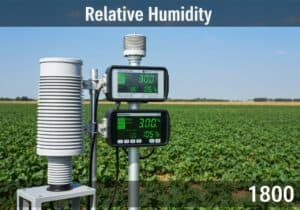
이슬점은 일정한 압력과 수분 함량에서 공기가 수증기로 포화되는 온도입니다. 이 온도에서 상대 습도는 100%입니다. 공기가 더 냉각되면 수증기는 응결되어 액체 상태의 물(이슬)이 되거나, 영하로 떨어지면 서리가 됩니다.
The dew point is a direct measure of the absolute amount of moisture in the air. Unlike 상대 습도, which is temperature-dependent, the dew point remains constant as long as no water vapor is added or removed from the air parcel. When the air temperature and dew point temperature are equal, the air is saturated, and the relative humidity is 100%. The larger the difference between the air temperature and the dew point, the lower the relative humidity.
For instance, if the air temperature is 30°C and the dew point is 15°C, the air is relatively dry. If the temperature drops to 15°C overnight, dew will begin to form on surfaces. This concept is critical in many fields. In 항공, pilots use the dew point to calculate the cloud base height and predict the likelihood of carburetor icing. In construction, understanding the dew point within wall cavities is essential to prevent moisture buildup, which can lead to mold and structural damage. The dew point is also a better indicator of human comfort than relative humidity at high temperatures, as it reflects the actual amount of moisture that can inhibit sweat evaporation.