Product Design, Manufacturing & Innovation Resources
» 제품 디자인 » 기술 » 하이드로포밍: 금속 성형 기술 설명

하이드로포밍: 금속 성형 기술 설명

hydroforming

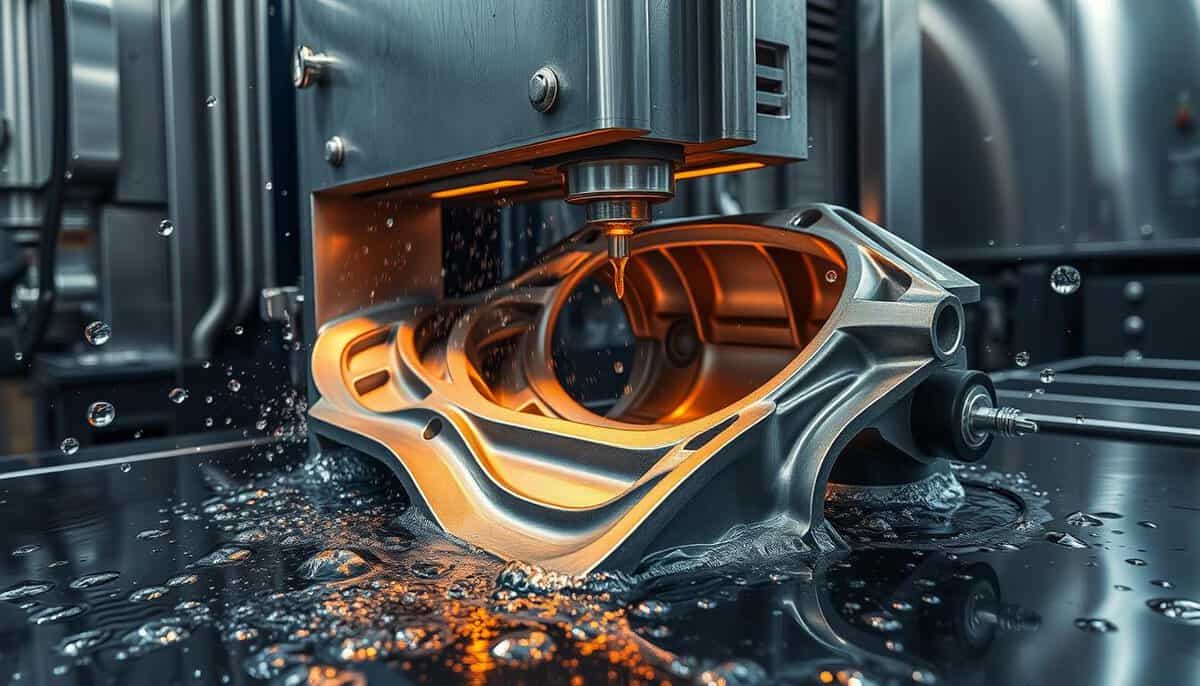
하이드로포밍에 대해 들어보셨나요? 유체를 사용하는 공법입니다. 압력 최대 10,000 PSI의 압력으로 금속을 성형할 수 있습니다. 이러한 놀라운 능력은 하이드로포밍이 오늘날 금속 성형 방식을 어떻게 변화시켰는지 보여줍니다.

심가공 하이드로포밍은 특히 인기가 높습니다. 이 공법은 뛰어난 표면 품질을 갖춘 견고하고 복잡한 부품을 생산할 수 있으며, 금형 비용을 절감해 줍니다. 기존 방식과는 차별화된 이 공법은 자동차, 항공우주, 의료, 방위산업 등 다양한 분야에 적용되어 금속 가공의 효율성과 활용도를 높여줍니다.

Hydroforming works well with many materials, like aluminum, brass, stainless steel, and tough alloys. It’s useful for making everything from car parts to precise medical tools. This method is a budget-friendly way to produce high-quality metal items.

핵심 요약

  • 하이드로포밍은 최대 10,000 PSI의 유체 압력을 가하여 금속의 모양을 변형시킬 수 있습니다.
  • 일부 기업들은 100년이 넘는 기간 동안 하이드로포밍 공법을 활용해 왔습니다.
  • 이 기술은 자동차, 항공우주, 의료 등 다양한 산업 분야를 지원합니다.
  • 하이드로포밍은 알루미늄과 스테인리스강을 포함한 다양한 재료에 적용 가능합니다.
  • 하이드로포밍은 올바르게 적용할 경우 기존 방식에 비해 고품질의 표면 마감을 제공하고 공구 비용을 절감할 수 있습니다.

하이드로포밍이란 무엇인가요?

하이드로포밍은 고압 챔버를 이용하여 금속을 성형하는 현대적인 방법입니다. 이 방법은 오일과 고무 다이어프램을 사용하며, 단단한 주형 없이 금속을 성형할 수 있고 흠집 발생을 방지합니다. 하이드로포밍은 복잡한 형상 제작에 적합하며, 강도와 경량성을 동시에 확보할 수 있습니다. 또한 비용 절감 효과도 있습니다.

하이드로포밍의 기초

하이드로포밍은 고압 유압 발생기와 같은 도구를 사용하여 정밀한 성형을 구현합니다. 예를 들어, 튜브 성형에는 최소 400kPa의 압력이 필요합니다. 하이드로포밍은 이음매 없고 매우 정밀한 부품을 생산할 수 있기 때문에 기존의 스탬핑 방식보다 우수합니다. 이 방법은 다양한 산업 분야에서 여러 종류의 부품을 생산하는 데 매우 적합합니다.

하이드로포밍의 주요 이점

하이드로포밍은 여러 가지 장점을 제공합니다. 금형 제작 비용이 기존 방식의 절반 수준이므로 비용 효율성이 높습니다. 또한 프레스 작업 속도를 60~70% 향상시킵니다. 하이드로포밍은 흠집이나 늘어짐 자국을 남기지 않아 값비싼 후가공 작업의 필요성을 줄여줍니다. 뿐만 아니라, 매우 정밀하여 약 20초 만에 ±0.003인치 이내의 정밀도를 달성할 수 있습니다.

금속 성형 공정 개요

하이드로포밍은 냉간 성형이 가능한 거의 모든 금속에 적용할 수 있습니다. 여기에는 알루미늄, 황동, 다양한 강철, 구리 및 고강도 합금이 포함됩니다. 예를 들어, 인코넬과 고니켈강은 하이드로포밍의 이점을 누릴 수 있으며, 항공우주 및 고압 터빈과 같은 까다로운 환경에서 사용됩니다.

하이드로포밍은 항공우주, 자동차 등 다양한 분야에서 유용하게 사용됩니다. 새로운 금형 제작 없이 시제품을 제작할 수 있는 유연성 덕분에 여러 용도에 실용적입니다.

하이드로포밍 공정의 종류

하이드로포밍은 크게 튜브 하이드로포밍과 시트 하이드로포밍 두 가지 유형으로 나뉩니다. 각 유형은 금속을 복잡한 형상으로 성형하는 데 서로 다른 기술을 사용합니다. 이러한 방법은 다양한 산업 분야에서 매우 중요하게 사용됩니다.

튜브 하이드로포밍

튜브 하이드로포밍은 강하고 가벼운 속이 빈 부품을 만드는 데 매우 효과적입니다. 이 공법은 금속 튜브에 내부 압력을 가하여 모양을 만듭니다. 튜브형 프레임이나 배기 장치와 같은 자동차 부품 제작에 핵심적인 역할을 합니다.
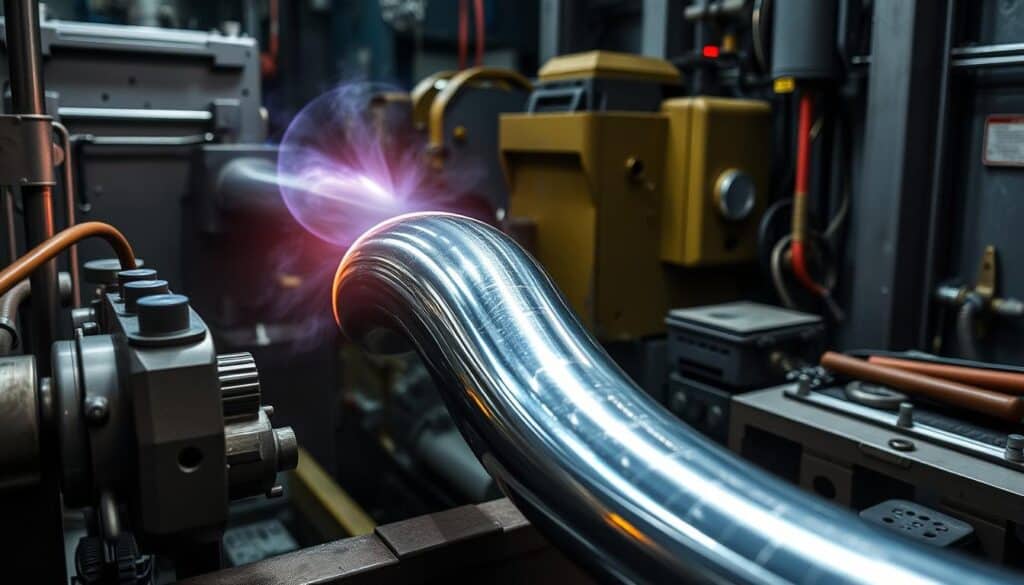
Tube hydroforming

자전거 제조업체들은 튜브 하이드로포밍 공법도 사용합니다. 이 공법을 통해 강하면서도 가벼운 고품질 자전거 프레임을 만들 수 있습니다. 이 공정은 제품이 정확한 크기 요건을 충족하고 결함이 적도록 보장합니다.

시트 하이드로포밍

판금 수압 성형은 높은 정밀도와 표면 품질을 요구하는 복잡한 형상을 제작하는 데 사용됩니다. 항공우주 산업에서는 정밀한 형상과 강도가 요구되는 부품에 이 기술을 활용합니다. 자동차 산업에서도 차체 패널 및 기타 부품 제작에 이 기술을 사용합니다.

이 방법은 자동차나 비행기에만 사용되는 것이 아닙니다. 가전제품 제작에도 사용됩니다. 알루미늄, 스테인리스강, 구리, 황동 등이 이 공정에 적합합니다. 시트 하이드로포밍으로 제작된 제품은 강도와 ​​균일성이 뛰어나 중요 용도에 최적의 선택입니다.

하이드로포밍 기술 응용 프로그램 주요 이점
튜브 하이드로포밍 자동차(엔진 크래들, 튜브형 프레임), 자전거 프레임 높은 강도 대비 무게 비율, 비용 효율성, 정밀한 장착
시트 하이드로포밍 항공우주(복합 부품), 자동차(차체 패널), 가전제품 제조 탁월한 표면 품질, 높은 치수 정확도, 향상된 구조적 안정성

Materials Used in Hydroforming

Choosing the right material for hydroforming depends on several factors. These include the application’s specific needs, desired features, and cost. Various metals like aluminum, brass, copper, stainless steel, and 티탄 are preferred in certain industries because of their unique qualities.

Aluminum is great for aerospace use because it’s light and stiff, although not as strong as steel. It suits the aerospace industry’s high-mix, low-volume (HMLV) production, where precision and efficiency matter most. Plus, aluminum can stretch up to 20% before it starts to weaken. This allows for making complex shapes without much material loss.

강철 is a frequent choice for its strength, low cost, and longevity. It can stretch up to 50% before it gets weak, making it a sturdy option for various uses. Yet, it rusts and is heavier than some alternatives like aluminum.

Stainless steel is favored for making medical equipment because it resists corrosion so well. Though it’s tougher to cut and weld, its durability and strength are key for certain applications. In hydroforming, stainless steel can be shaped into detailed forms. These forms have a great finish and are very accurate size-wise.

티탄 그리고 brass are also widely used in specific fields. Titanium, with its excellent strength-to-weight ratio and rust resistance, is perfect for the aerospace and medical fields. Brass is chosen for its easy shaping and rust resistance in precision and performance-critical applications.

To better understand these materials, look at their key features compared:

Metal Key Properties Industry Applications
Aluminum Lightweight, Stiff, Corrosion-Resistant Aerospace, Automotive
강철 Strong, Affordable, Durable Automotive, Construction
Stainless Steel Corrosion-Resistant, Durable, Tough Medical, Food Processing
티탄 High Strength-to-Weight Ratio, Corrosion-Resistant Aerospace, Medical
Brass Corrosion-Resistant, Excellent Machinability Precision Instruments, Plumbing

Each metal’s special properties should be thoroughly assessed for the best outcome in specific sectors.

Hydroforming vs. Traditional Metal Forming Techniques

Hydroforming shines when compared to traditional methods like deep draw stamping and metal die casting. It offers better structure, can make more complex shapes, and the finish is smoother. Let’s dive into why hydroforming is more efficient.

Hydroforming vs. Deep Draw Stamping

Hydroforming beats deep draw stamping in design and cost. While stamping needs many dies, hydroforming uses pressures between 70-100 MPa. This reduces the stages needed, cutting tool costs and the risk of damaging surfaces. Unlike stamping, hydroforming keeps the metal strong. This is key for aerospace industries that need tough, complex shapes.

Hydroforming vs. Metal Die Casting

Compared to metal die casting, hydroforming has many benefits. Die casting costs more and has a bigger environmental footprint. Hydroforming, especially with FluidForming at pressures up to 400 MPa, gives more design freedom and uses materials better. It’s more economic for low to medium runs. This offers 다재 and efficiency in hydroforming operations.

Hydroforming advantages

하이드로포밍 Deep Draw Stamping Metal Die Casting
Forming Pressures: 70-100 MPa Requires Multiple Dies High Capital Expenditures
Superior Structural Integrity Potential Surface Damage Significant Environmental Impact
Complex Shape Capability Weakened Metal Less Design Flexibility
Lower Tooling Costs Multiple Stages Required Poor Material Utilization

Applications of Hydroforming Technology

Hydroforming technology is very important in many fields. It brings precision and efficiency at a low cost. It’s especially used in automotive, aerospace, and healthcare industries.

Automotive Industry

In car manufacturing, hydroforming makes parts lighter and stronger. It is used for vehicle chassis and structural parts. High-pressure hydroforming can create complex shapes. These include engine cradles and exhaust systems, improving safety and performance.

As more people want electric vehicles (EVs), hydroforming becomes crucial. It helps in making cars lighter and stiffer. This is important for holding battery packs and making Body-in-White (BiW) products.

Aerospace and Defense

In aerospace, strong and light parts are very important. Hydroforming helps make complex parts for aerospace. Using this method, companies can make intricate shapes. They keep the parts strong while making them lighter. This helps with fuel efficiency and the performance of aircraft.

This precise forming is essential. It makes sure aerospace parts meet strict standards.

Hydroforming applications

Hydroforming Process Advantages

The hydroforming process stands out in modern manufacturing. It brings big benefits compared to older metal shaping methods. For one, hydroforming boosts the strength of parts. Thanks to very precise control of the material and high pressure, parts are shaped with great accuracy and fewer flaws. This means stronger and more reliable components, which is especially important in the aerospace industry.

Another big plus is how fast hydroforming works. It can create complex shapes very quickly. Sometimes, it takes just 20 seconds to finish a cycle from start to end. This speed, along with its ability to make detailed shapes, cuts down on the need for welding. It also leads to less waste, as it avoids problems like denting.

Hydroforming is also a money-saver. It costs a lot less for tools when compared to other methods—up to 90% less in some cases. This is because it needs fewer tools and skips extra steps, like burring. It also lets us use thinner materials without losing strength. This is a big deal in industries that value light weight, such as automotive and aerospace. For makers, it’s a cost-effective way to craft parts with complex shapes and tight tolerances.

보충 자료 및 방법

  • Deep Drawing: A metal forming process used to shape metal sheets into cup or box-like structures; often compared with hydroforming for its efficiency in large-scale production.

  • Sheet Metal Stamping: A manufacturing process used to convert flat metal sheets into specific shapes, often used in conjunction with hydroforming for complex part production.

  • 유한 요소 Analysis (FEA) in Metal Forming: A computational technique used to predict how metal will behave during forming processes, including hydroforming, to optimize design and reduce material waste.

자주 묻는 질문

하이드로포밍이란 무엇인가요?

하이드로포밍은 고압 유체를 이용하여 금속을 성형하는 방법입니다. 이 공법을 통해 강하고 복잡한 부품을 정밀하게 생산할 수 있습니다. 항공우주, 자동차, 의료 및 방위 산업 분야에서 사용됩니다.

하이드로포밍의 주요 이점은 무엇입니까?

하이드로포밍은 기존 방식보다 구조적 강도가 뛰어나고, 더욱 복잡한 형상과 매끄러운 표면을 구현할 수 있다는 장점이 있습니다. 또한, 금형 비용을 절감하고 설계 유연성을 높이며 재료를 더욱 효율적으로 사용할 수 있도록 해줍니다.

하이드로포밍 공정의 주요 유형은 무엇입니까?

하이드로포밍에는 크게 튜브형 하이드로포밍과 시트형 하이드로포밍 두 가지 방식이 있습니다. 튜브형 하이드로포밍은 튜브처럼 강하고 가벼운 부품을 만드는 데 적합합니다. 시트형 하이드로포밍은 정밀한 치수와 고품질 표면 처리가 필요한 복잡한 형상을 만드는 데 적합합니다.

하이드로포밍에 사용할 수 있는 재료는 무엇입니까?

하이드로포밍은 알루미늄, 황동, 구리, 스테인리스강, 티타늄 등 다양한 금속에 적용할 수 있습니다. 각 금속은 용도에 따라 고유한 장점을 가지고 있습니다.

하이드로포밍은 딥 드로잉 스탬핑이나 금속 다이캐스팅과 같은 기존 금속 성형 기술과 어떻게 다른가요?

하이드로포밍은 스탬핑이나 주조보다 우수한 결과를 제공합니다. 금형 수가 적어 비용이 절감되며, 더욱 창의적인 디자인 구현이 가능하고 재료를 효율적으로 사용할 수 있으며 소량 생산에도 비용 효율적입니다.

하이드로포밍 및 금속 제조 관련 외부 링크

(링크 위에 마우스를 올려놓으면 콘텐츠에 대한 설명을 볼 수 있습니다.)

사용된 용어집

Finite Element Analysis (FEA): 복잡한 공학 문제를 해결하기 위한 수치적 방법으로, 구조물을 요소라고 하는 더 작고 단순한 부분으로 분해하여 다양한 조건에서 응력, 변형률 및 변형을 분석할 수 있게 합니다.

Metal Active Gas (welding) (MAG): 철금속과 비철금속을 접합하는 과정에서 소모성 전극을 지속적으로 공급하고, 일반적으로 이산화탄소를 포함하는 보호 가스 혼합물을 사용하여 용접 풀을 대기 오염으로부터 보호하는 용접 공정입니다.

Metal Inert Gas (welding) (MIG): 용접 건을 통해 공급되는 연속적인 고체 와이어 전극을 사용하여 와이어와 공작물 사이에 전기 아크를 발생시켜 둘을 녹여 용접 풀을 형성하는 용접 공정입니다. 일반적으로 오염을 방지하기 위해 불활성 가스로 보호됩니다.

다룬 주제: 하이드로포밍, 유체 압력, 딥 드로잉 하이드로포밍, 툴링 비용, 자동차, 항공우주, 의료, 국방, 알루미늄, 스테인리스강, 튜브 하이드로포밍, 판재 하이드로포밍, 고압 유압 발전기, 표면 품질, 치수 정확도, 구조적 무결성, 티타늄, 황동.

역사적 맥락

1687
1687
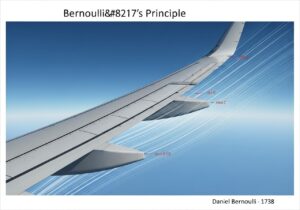
1738
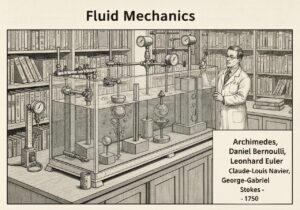
1750
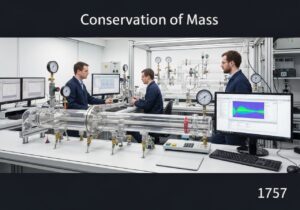
1757
1788
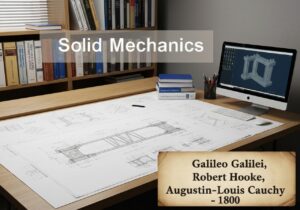
1800
1678
1687
1687
1738
1750
1785
1788
1800

(날짜를 알 수 없거나 관련이 없는 경우, 예를 들어 "유체역학"의 경우, 주목할 만한 등장 시기를 대략적으로 추정하여 제공합니다.)

고화질 이미지 및 다운로드는 등록된 회원에게만 100% 무료로 제공됩니다.

> 로그인 <