Product Design, Manufacturing & Innovation Resources
» ガンマ線照射滅菌

ガンマ線照射滅菌

1960
ガンマ線滅菌の原理

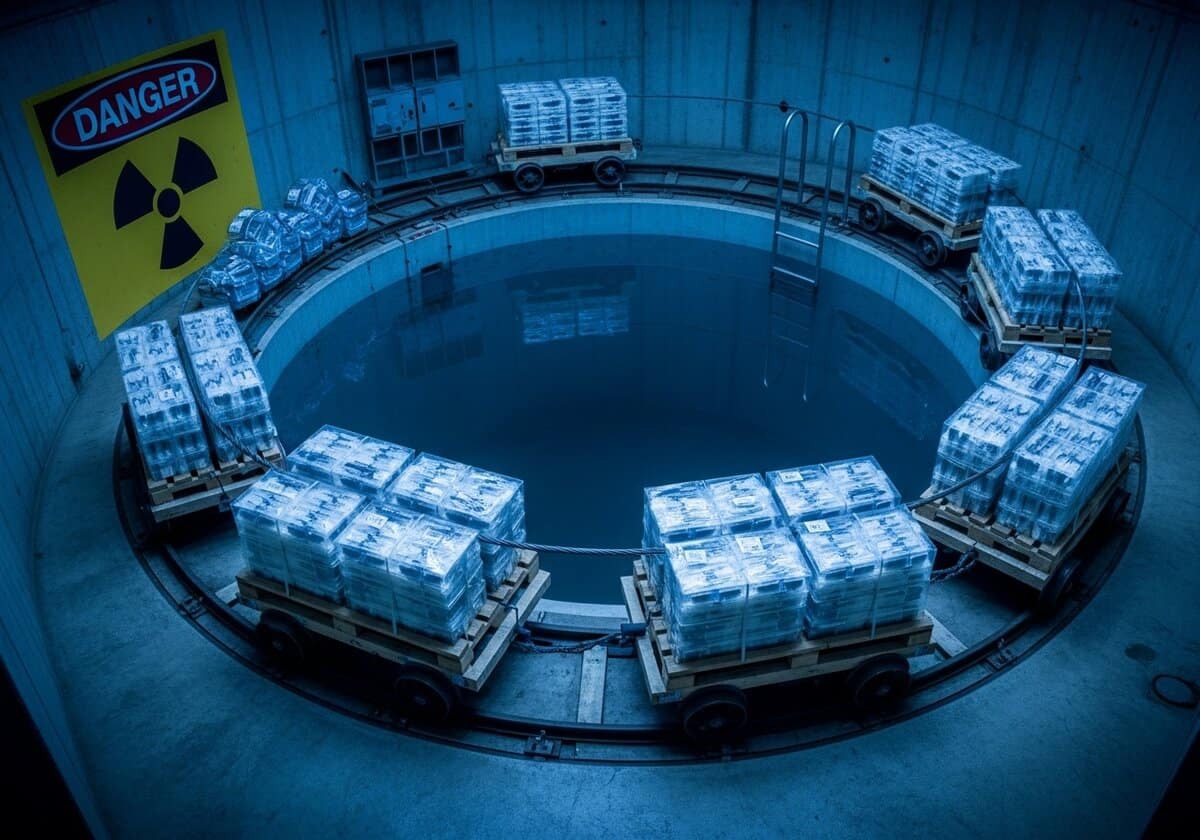
(画像はイメージです)

This 方法 使用する 高エネルギー 放射性同位体(通常はコバルト60)から放出される光子を用いて製品を殺菌する。ガンマ線は物質を透過し、フリーラジカルを生成して修復不可能な損傷を与える。 microbial DNAを分解し、細胞死を誘導する。これは「低温」処理であり、熱に弱い製品にも適しており、最終密封包装された製品にも適用できる。

Gamma irradiation sterilization is a form of ionizing radiation processing. The process utilizes gamma rays, which are a type of electromagnetic radiation with very short wavelengths and high energy, similar to X-rays but typically more energetic. The most common source for industrial sterilization is the radioisotope Cobalt-60 (⁶⁰Co). This isotope is produced in nuclear reactors and decays, emitting high-energy gamma photons. Products to be sterilized are placed on a conveyor system and passed through a heavily shielded concrete chamber (an irradiator) where they are exposed to the gamma radiation field for a specific duration. The key principle of its sterilizing action is the transfer of energy to the molecules within the microorganisms. When gamma photons pass through matter, they cause ionization by stripping electrons from atoms, creating highly reactive species such as free radicals (e.g., hydroxyl radicals from water). These free radicals indiscriminately attack and damage critical cellular components, with the most significant target being the microbial DNA. The radiation can cause single- and double-strand breaks in the DNA backbone, rendering the microorganism unable to replicate or perform vital cellular functions, leading to its death. A major advantage of gamma radiation is its high penetrating power, allowing it to sterilize products that are already sealed in their final packaging, thus preventing recontamination. This is known as terminal sterilization. The process is ‘cold,’ generating very little heat, which makes it suitable for heat-sensitive materials like plastics, pharmaceuticals, and biological tissues. The dose of radiation delivered is measured in kiloGrays (kGy), and a typical dose for sterilizing medical devices is 25 kGy, which is sufficient to achieve a [latex]10^{-6}[/latex] SAL.

この技術の科学的基盤は、1896年のアンリ・ベクレルによる放射能の発見と、それに続く放射線の生物学的影響に関する研究によって築かれました。電離放射線を用いて微生物を殺菌する可能性は、20世紀初頭に認識されていました。しかし、コバルト60などの放射性同位元素を大量に生産できる原子炉が開発され、工業規模のガンマ線滅菌が経済的かつ実用的に可能になったのは、第二次世界大戦後の時代になってからのことでした。医療製品向けの最初の商用ガンマ線照射装置は、1950年代後半に建設されました。この技術は、注射器、縫合糸、カテーテルなど、現在医療現場で広く使われている包装済みの使い捨て医療機器の、信頼性の高い大規模な最終滅菌を可能にすることで、医療用品業界に革命をもたらしました。

UNESCO Nomenclature: 2210
原子核物理学

タイプ

物理的プロセス

混乱

革命的

使用法

広く普及している

前駆物質

  • アンリ・ベクレルによる放射能の発見
  • マリー・キュリーとピエール・キュリーによるラジウムの単離
  • 電離放射線が生物物質に及ぼす影響についての理解
  • コバルト60などの同位体を生成するための原子炉の開発

アプリケーション

  • 使い捨て医療用品(手袋、注射器など)の滅菌
  • 食品の保存期間を延ばし、病原菌を殺菌するための食品照射
  • 化粧品および医薬品の除染
  • 移植用組織移植片の滅菌

特許:

NA

潜在的なイノベーションのアイデア

ボットによるトラフィック(現在1日あたり4万件以上)を排除するため、このコンテンツはコミュニティメンバー限定となっています。
> ログイン < または > 登録 < (100%無料)でこれにアクセスできます。他のすべての制限付きコンテンツとツールも同様です。

関連事項:ガンマ線照射、滅菌、コバルト60、電離放射線、医療機器、食品照射、DNA損傷、フリーラジカル、最終滅菌、低温処理。

歴史的背景

ガンマ線照射滅菌

1960
1960
1960
1960
1960
1960
1960
1959-11
1960
1960
1960
1960
1960
1960
1960

(日付が不明または関連性がない場合、例えば「流体力学」などでは、その注目すべき出現時期の概算値が提示されます。)
関連する発明、革新、および技術原理

フルサイズの画像とダウンロードは、登録会員のみが100%無料で利用できます。