This 방법 사용 고에너지 방사성 동위원소(일반적으로 코발트-60)에서 방출되는 광자를 이용하여 제품을 살균합니다. 감마선은 물질을 통과하면서 자유 라디칼을 생성하고 돌이킬 수 없는 손상을 일으킵니다. microbial DNA를 파괴하여 세포 사멸을 유도하는 공정입니다. 열에 민감한 제품에 적합한 '저온' 공정으로, 최종 밀봉 포장된 제품에도 적용할 수 있습니다.

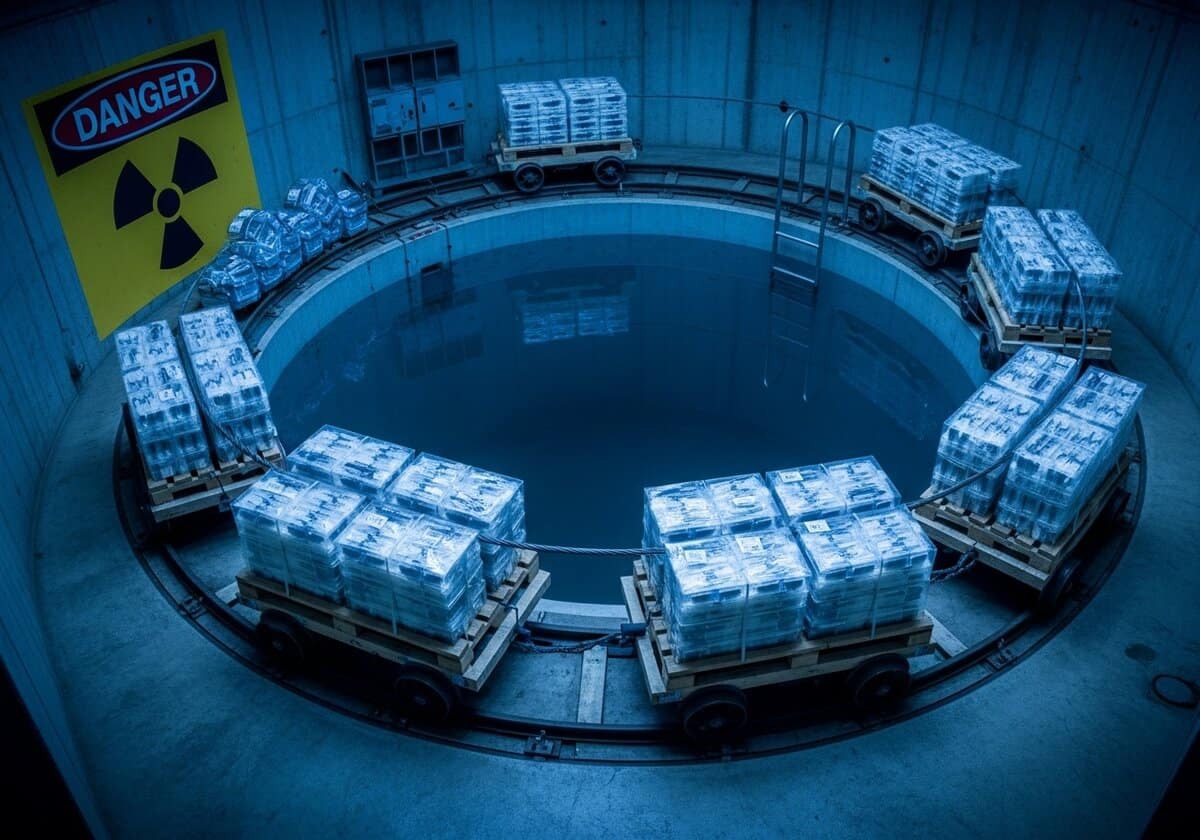
(설명을 위한 생성된 이미지입니다)
This 방법 사용 고에너지 방사성 동위원소(일반적으로 코발트-60)에서 방출되는 광자를 이용하여 제품을 살균합니다. 감마선은 물질을 통과하면서 자유 라디칼을 생성하고 돌이킬 수 없는 손상을 일으킵니다. microbial DNA를 파괴하여 세포 사멸을 유도하는 공정입니다. 열에 민감한 제품에 적합한 '저온' 공정으로, 최종 밀봉 포장된 제품에도 적용할 수 있습니다.

Gamma irradiation sterilization is a form of ionizing radiation processing. The process utilizes gamma rays, which are a type of electromagnetic radiation with very short wavelengths and high energy, similar to X-rays but typically more energetic. The most common source for industrial sterilization is the radioisotope Cobalt-60 (⁶⁰Co). This isotope is produced in nuclear reactors and decays, emitting high-energy gamma photons. Products to be sterilized are placed on a conveyor system and passed through a heavily shielded concrete chamber (an irradiator) where they are exposed to the gamma radiation field for a specific duration. The key principle of its sterilizing action is the transfer of energy to the molecules within the microorganisms. When gamma photons pass through matter, they cause ionization by stripping electrons from atoms, creating highly reactive species such as free radicals (e.g., hydroxyl radicals from water). These free radicals indiscriminately attack and damage critical cellular components, with the most significant target being the microbial DNA. The radiation can cause single- and double-strand breaks in the DNA backbone, rendering the microorganism unable to replicate or perform vital cellular functions, leading to its death. A major advantage of gamma radiation is its high penetrating power, allowing it to sterilize products that are already sealed in their final packaging, thus preventing recontamination. This is known as terminal sterilization. The process is ‘cold,’ generating very little heat, which makes it suitable for heat-sensitive materials like plastics, pharmaceuticals, and biological tissues. The dose of radiation delivered is measured in kiloGrays (kGy), and a typical dose for sterilizing medical devices is 25 kGy, which is sufficient to achieve a [latex]10^{-6}[/latex] SAL.
이 기술의 과학적 토대는 1896년 앙리 베크렐의 방사능 발견과 그 후 방사선의 생물학적 영향에 대한 연구에서 마련되었습니다. 이온화 방사선을 이용하여 미생물을 사멸시킬 수 있는 가능성은 20세기 초에 인식되었습니다. 그러나 코발트-60과 같은 방사성 동위원소를 대량 생산할 수 있는 원자로가 개발된 제2차 세계 대전 이후 시대에 이르러서야 산업 규모의 감마선 멸균이 경제적이고 실용적으로 가능해졌습니다. 의료 제품용 최초의 상업용 감마선 조사기는 1950년대 후반에 제작되었습니다. 이 기술은 주사기, 봉합사, 카테터와 같이 미리 포장된 일회용 의료 기기를 대규모로 안정적으로 멸균할 수 있게 함으로써 의료 용품 산업에 혁명을 일으켰으며, 이러한 기기들은 현재 의료 현장에서 널리 사용되고 있습니다.
현재 하루 4만 건이 넘는 봇 트래픽을 차단하기 위해 이 콘텐츠는 커뮤니티 회원만 이용할 수 있습니다.
> 로그인 < 또는 >등록 < 이 콘텐츠를 비롯한 모든 제한된 콘텐츠와 도구는 (100% 무료로) 이용할 수 있습니다.
감마선 조사 멸균
(날짜를 알 수 없거나 관련이 없는 경우, 예를 들어 "유체역학"의 경우, 주목할 만한 등장 시기를 대략적으로 추정하여 제공합니다.)
고화질 이미지 및 다운로드는 등록된 회원에게만 100% 무료로 제공됩니다.
> 로그인 <