Product Design, Manufacturing & Innovation Resources

कैटलॉग मार्केटिंग

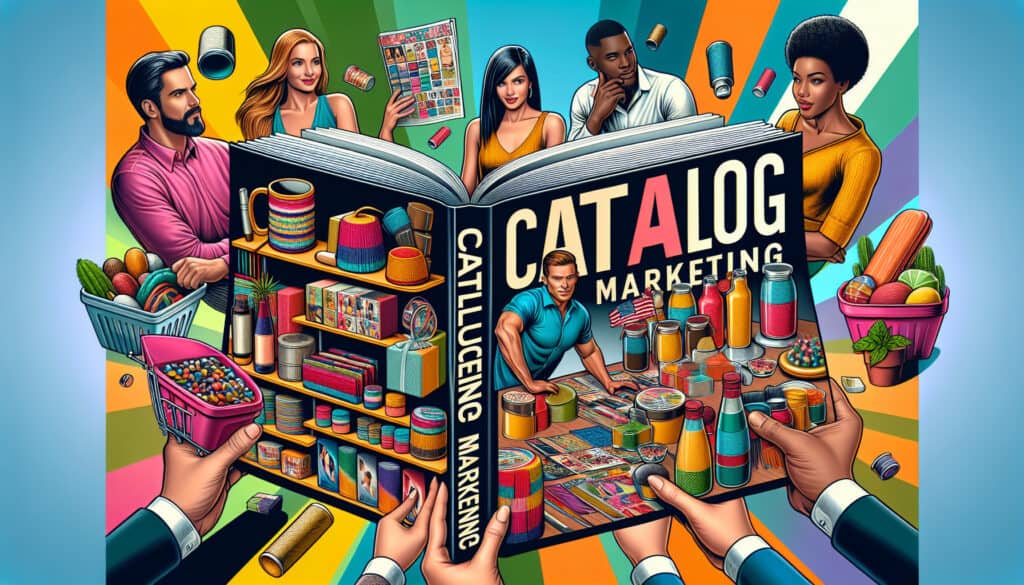
Colorful product catalog on tablet showcasing targeted marketing strategies to reach specific customers.

कैटलॉग मार्केटिंग

उद्देश्य:

प्रत्यक्ष का एक रूप विपणन where a company mails a catalog of its products to a list of potential customers.

इसका उपयोग कैसे किया जाता है:

फायदे

नुकसान

श्रेणियाँ:

इसके लिए सबसे अच्छा:

Catalog marketing is widely utilized in industries such as retail, fashion, home goods, and specialty products, where visual representation of goods can significantly influence purchasing decisions. During the product development phase, teams may work closely with marketing professionals to determine which products to highlight, ensuring that compelling imagery and detailed descriptions are crafted to engage the target audience effectively. Companies can analyze consumer behaviors through data collected from previous catalog campaigns, allowing for the refinement of product selections and marketing strategies to better match customer preferences. Direct mail campaigns often run in conjunction with digital catalogs, enabling cross-channel promotions that encourage customers to interact with the brand in multiple ways. Collaborative efforts usually involve graphic designers, copywriters, and marketing analysts who work together to create a cohesive and engaging catalog that resonates with the intended demographics. Brands that focus on specific niches, such as eco-friendly products or luxury goods, can tailor their catalog approach to showcase their unique value propositions, establishing a strong connection with their audience. The utilization of QR codes or augmented reality features within digital catalogs has further enabled interactive experiences, enhancing customer engagement and streamlining the purchasing process. In cases where catalog marketing is employed, it is common for sales teams to follow up directly with leads generated from catalog responses, providing personalized customer service that can drive sales conversions.

इस पद्धति के प्रमुख चरण

  1. Identify target customer segments based on demographics and purchasing behavior.
  2. Create a visually appealing layout and design for the catalog that aligns with branding.
  3. Develop high-quality product descriptions and imagery that showcase features and benefits.
  4. Incorporate clear pricing, promotions, and call-to-action elements for easy ordering.
  5. Choose distribution channels (printed or digital) based on customer preferences and behavior.
  6. Monitor customer feedback and sales data to refine future catalog iterations.
  7. Implement A/B testing on different catalog designs for optimization.
  8. Plan seasonal or thematic updates to maintain customer engagement and interest.

प्रो टिप्स

  • Utilize A/B testing for different catalog layouts and messaging to identify which strategies resonate most with specific demographics.
  • Incorporate QR codes or augmented reality elements for enhanced interactivity and direct integration with e-commerce platforms.
  • Leverage data analytics to segment customer preferences and optimize catalog distribution based on purchase behavior and engagement levels.

विभिन्न पद्धतियों को पढ़ने और उनकी तुलना करने के लिए, हम अनुशंसा करते हैं

> व्यापक कार्यप्रणाली भंडार  <
अन्य 400 से अधिक पद्धतियों के साथ।

इस कार्यप्रणाली पर आपकी टिप्पणियाँ या अतिरिक्त जानकारी का स्वागत है। नीचे टिप्पणी अनुभाग देखें ↓ , साथ ही इंजीनियरिंग से संबंधित कोई भी विचार या लिंक।

ऐतिहासिक संदर्भ

1914
1950
1957
1960
1960
1970
1980
1914
1942
1957
1957
1960
1965
1970
1980
मार्केटिंग टीम एक आधुनिक कार्यालय में उत्पाद जीवन चक्र विस्तार की रणनीति बना रही है।

उत्पाद जीवन चक्र विस्तार रणनीतियाँ

कंपनियां सक्रिय रूप से एक उत्पाद के जीवन चक्र का प्रबंधन और विस्तार कर सकती हैं, विशेष रूप से परिपक्वता और गिरावट के चरणों के दौरान, इसकी लाभप्रदता को अधिकतम करने के लिए। सामान्य रणनीतियों में बाजार विकास (मौजूदा उत्पादों के लिए नए बाजार खोजना), बाजार पैठ (मौजूदा बाजारों में हिस्सेदारी बढ़ाना), उत्पाद विकास (नई सुविधाएँ या संस्करण पेश करना), और विविधीकरण (नए बाजारों के लिए नए उत्पाद विकसित करना) शामिल हैं। ये समय से पहले गिरावट को रोकते हैं। नोट: यह दृष्टिकोण ऐतिहासिक बिक्री-उन्मुख उत्पाद जीवन चक्र पर आधारित है। आधुनिक उत्पाद जीवन चक्र की हमारी परिभाषा देखें, जैसा कि इस साइट पर कई पोस्ट (विचार, विनिर्माण, रखरखाव, रीसाइक्लिंग, अपसाइक्लिंग सहित...) हैं।
आधुनिक कार्यालय में विपणन पेशेवर उत्पाद जीवन चक्र के चार चरणों का विश्लेषण कर रहे हैं।

उत्पाद जीवन चक्र के चार चरण (ऐतिहासिक संस्करण)

उत्पाद जीवन चक्र (PLC) मॉडल उन चरणों का वर्णन करता है जिनसे एक उत्पाद अपनी लॉन्चिंग से लेकर बाजार से वापसी तक गुजरता है। ये चार प्रमुख चरण हैं: परिचय (कम बिक्री, उच्च लागत), वृद्धि (तेजी से बढ़ती बिक्री और लाभ), परिपक्वता (उच्चतम बिक्री, घटते लाभ मार्जिन), और गिरावट (गिरती बिक्री और लाभ)। यह ढांचा रणनीतिक विपणन और प्रबंधन निर्णयों में मदद करता है। महत्वपूर्ण नोट: अधिक आधुनिक दृष्टिकोणों में, और कम बिक्री या विपणन उन्मुख, उत्पाद जीवन चक्र में इसके विनिर्माण, साथ ही इसके रीसाइक्लिंग चरण शामिल होने चाहिए। एक और भी अधिक पूर्ण दृष्टिकोण, जैसे कि हम innovation.world पर दृढ़ता से वकालत करते हैं, इसमें एक बाजार अध्ययन और एक विचार चरण भी शामिल होगा, और क्षेत्र के आधार पर, पोस्ट मार्केट निगरानी भी।
(यदि तिथि अज्ञात है या प्रासंगिक नहीं है, उदाहरण के लिए "द्रव यांत्रिकी", तो इसके उल्लेखनीय उद्भव का एक अनुमानित आंकड़ा प्रदान किया गया है)

शीर्ष पोस्ट और लेख

शीर्ष मूल उपकरण

पंजीकृत सदस्यों के लिए पूर्ण आकार की छवियाँ और डाउनलोड 100% निःशुल्क उपलब्ध हैं।