Product Design, Manufacturing & Innovation Resources

Régression linéaire

Régression linéaire

Régression linéaire

Objectif :

Modéliser la relation entre une variable dépendante et une ou plusieurs variables indépendantes.

Comment il est utilisé :

Avantages

Inconvénients

Catégories :

Idéal pour :

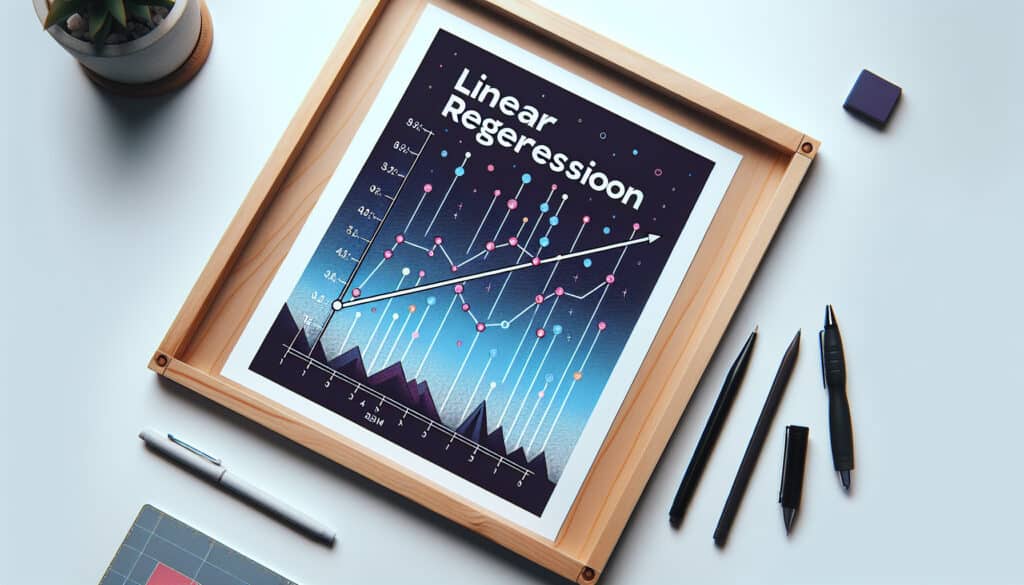
Linear regression can be effectively leveraged across various phases of product design and development, particularly during the analysis and testing stages when historical relationships between variables are explored. In the automotive industry, for instance, linear regression aids in forecasting maintenance needs by analyzing past repair data against variables such as average vehicle mileage and driving conditions. In the realm of software development, this methodology might be utilized to predict user engagement levels based on previous usage patterns and marketing efforts, allowing teams to make data-driven decisions regarding feature enhancements. In pharmaceuticals, it serves as an analytical tool for understanding the correlation between dosage levels and responses in clinical trials, which can optimize product formulations. Stakeholders such as data analysts, project managers, and marketing teams typically initiate and utilize linear regression in collaborative settings, where statistical software can assist in managing data sets. The clarity and ease of interpretation of linear regression results empower teams to communicate findings effectively, thus fostering informed decision-making across different departments, from R&D to sales and logistics, ensuring a more aligned approach to meeting market demands and improving product quality.

Principales étapes de cette méthodologie

  1. Identify the dependent and independent variables relevant to the prediction.
  2. Formulate the linear regression equation based on the established variables.
  3. Fit the model to the historical data using a method such as least squares.
  4. Evaluate the model's fit using metrics such as R-squared and p-values.
  5. Assess the residuals for randomness and normality to ensure model validity.
  6. Use the validated model to make predictions on new or future data.
  7. Regularly update the model with new data to improve accuracy over time.

Conseils de pro

  • Regularly update your linear regression model with new data to capture changing trends and maintain accuracy in predictions.
  • Utilize interaction terms in your regression model to explore relationships between variables that might not be linear, revealing deeper insights.
  • Implement k-fold cross-validation to assess your model's robustness and prevent overfitting, ensuring reliable forecasts in varied scenarios.

Lire et comparer plusieurs méthodologies, nous recommandons le

> Référentiel méthodologique étendu  <
ainsi que plus de 400 autres méthodologies.

Vos commentaires sur cette méthodologie ou des informations supplémentaires sont les bienvenus sur le site web de la Commission européenne. section des commentaires ci-dessous ↓ , ainsi que toute idée ou lien en rapport avec l'ingénierie.

Contexte historique

1950
1955
1956
1960
1960
1960
1960
1950
1950
1955
1958
1960
1960
1960
1960

(si la date est inconnue ou non pertinente, par exemple « mécanique des fluides », une estimation arrondie de son émergence notable est fournie)

Articles Similaires

Les images en pleine résolution et les téléchargements sont uniquement disponibles, et 100% gratuits, pour les membres inscrits.