Product Design, Manufacturing & Innovation Resources

Tables manuelles de manutention Liberty Mutual (Tables Snook)

Liberty Mutual Manual Material Handling Tables

Tables manuelles de manutention Liberty Mutual (Tables Snook)

Objectif :

To determine the maximum acceptable weights and forces for manual handling tasks.

Comment il est utilisé :

Avantages

Inconvénients

Catégories :

Idéal pour :

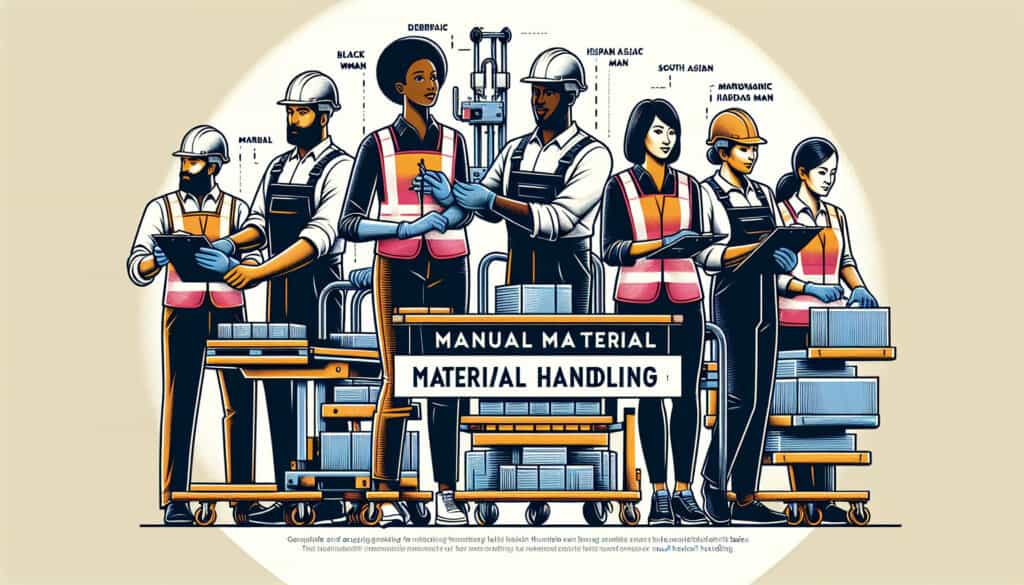
The Liberty Mutual Manual Material Handling Tables, often referred to as Snook Tables, provide a standardized approach to assessing and mitigating risks associated with manual handling tasks. These tables derive their recommendations from psychophysical research, which examines human capabilities and limitations in the context of lifting, lowering, pushing, pulling, and carrying objects. Common applications include workplace ergonomics assessments across various industries such as manufacturing, warehousing, healthcare, and construction, where manual handling is prevalent. In project phases involving task design or risk assessment, ergonomists, health and safety professionals, and industrial engineers often utilize these tables to establish safe weight limits in manual handling tasks, thereby enhancing worker safety and productivity. The involvement of personnel from human resources and occupational health is also crucial, as they can help implement training and develop policies based on the insights rendered from the tables. The primary advantage of employing the Snook Tables lies in their scientifically validated metrics, which provide objective guidance for developing safer handling procedures. This broad acceptance in industry not only helps companies comply with safety regulations but also supports initiatives aimed at reducing musculoskeletal disorders among employees. The application of these tables often leads organizations to engage in continuous improvements and reassessments of their manual handling protocols, ensuring long-term safety and efficiency in operational practices.

Principales étapes de cette méthodologie

  1. Identify the manual handling task and its specific requirements.
  2. Reference the Snook Tables to determine maximum acceptable weights and forces.
  3. Assess the postures and movements involved in the task.
  4. Evaluate the frequency and duration of the manual handling activity.
  5. Consider environmental factors, such as surface conditions and space constraints.
  6. Implement design modifications based on the analysis from the tables.
  7. Test the modified task for compliance with ergonomic standards.
  8. Monitor employee feedback and adjust the design as necessary.

Conseils de pro

  • Integrate task-specific risk assessments with Snook Tables to account for individual worker characteristics like height and strength.
  • Regularly update and validate lifting and carrying recommendations by consulting with recent ergonomic research and field studies.
  • Utilize feedback loops from employees during task observations to refine and adapt manual handling guidelines for various job roles.

Lire et comparer plusieurs méthodologies, nous recommandons le

> Référentiel méthodologique étendu  <
ainsi que plus de 400 autres méthodologies.

Vos commentaires sur cette méthodologie ou des informations supplémentaires sont les bienvenus sur le site web de la Commission européenne. section des commentaires ci-dessous ↓ , ainsi que toute idée ou lien en rapport avec l'ingénierie.

Contexte historique

1941
1986
1990
2000
1950
1990
1990

(si la date est inconnue ou non pertinente, par exemple « mécanique des fluides », une estimation arrondie de son émergence notable est fournie)

Articles Similaires

Les images en pleine résolution et les téléchargements sont uniquement disponibles, et 100% gratuits, pour les membres inscrits.