Product Design, Manufacturing & Innovation Resources

الاختبار من النهاية إلى النهاية

الاختبار من النهاية إلى النهاية

الاختبار من النهاية إلى النهاية

الهدف:

لاختبار تدفق التطبيق بالكامل من البداية إلى النهاية.

كيفية استخدامه:

الايجابيات

سلبيات

الفئات:

الأفضل لـ:

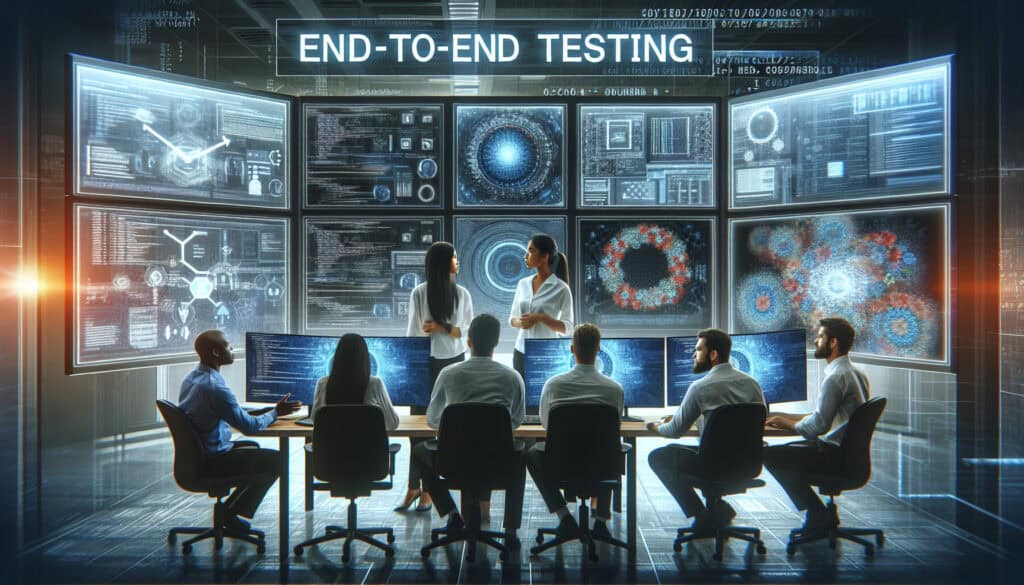
End-to-End Testing is widely adopted across various industries such as finance, healthcare, e-commerce, and telecommunications, where robust applications integrating multiple components are commonly developed. This methodology plays a pivotal role during the testing phase of product development, particularly after integration testing, as it comprehensively verifies the interplay among components under conditions akin to real-world usage. In practice, this testing approach often involves collaboration among stakeholders, including project managers, quality assurance teams, developers, and end-users, thus ensuring diverse perspectives are considered. For instance, in an e-commerce platform, End-to-End Testing would verify interactions such as product searches, user authentication, payment processing, and order fulfillment, ensuring that each step in the user journey functions seamlessly. This comprehensive validation can identify issues related to data flow and system interactions that may not be captured in isolated unit tests, thereby enhancing reliability and user satisfaction before a product launch. Such testing can also be integrated into continuous deployment pipelines, allowing for automated checks that assure successful operation following updates or code changes. With global teams often involved, considering different user scenarios from various geographies can add another layer of robustness to the testing process. Prioritization of End-to-End Testing is critical, especially when significant features or third-party services are added, to mitigate potential user experience pitfalls upon release.

الخطوات الرئيسية لهذه المنهجية

  1. حدد سيناريوهات المستخدم الواقعية التي تغطي جميع الوظائف الرئيسية.
  2. قم بإنشاء حالات اختبار بناءً على سير عمل المستخدم، بما في ذلك الحالات الشاذة.
  3. قم بإعداد بيئة الاختبار بحيث تشبه بيئة الإنتاج قدر الإمكان.
  4. قم بتنفيذ حالات الاختبار الشاملة يدويًا أو من خلال أدوات الأتمتة.
  5. مراقبة تفاعلات النظام وجمع السجلات أثناء الاختبار.
  6. قم بتحليل النتائج مقارنةً بالنتائج المتوقعة ومتطلبات المستخدم.
  7. حدد ووثق أي اختلافات أو إخفاقات.
  8. أعد اختبار أي مشكلات تم إصلاحها وتحقق من نقاط التكامل مرة أخرى.
  9. التحقق من سلامة البيانات واتساقها عبر جميع الأنظمة المتكاملة.
  10. قم بإجراء اختبارات التراجع للتأكد من أن الوظائف الحالية لا تتأثر.

نصائح للمحترفين

  • قم بتنفيذ إطار عمل لأتمتة الاختبارات يحاكي سلوك المستخدم لمحاكاة الاستخدام الواقعي بكفاءة عبر جميع مكونات التطبيق.
  • قم بتضمين حلقة تغذية راجعة من المستخدمين النهائيين خلال مراحل الاختبار لتحديد التناقضات ومشاكل سهولة الاستخدام التي قد تغفل عنها الاختبارات الآلية.
  • قم بإنشاء مسارات التكامل المستمر والنشر المستمر (CI/CD) التي تتضمن اختبارات شاملة لضمان رؤية فورية لتأثير تغييرات التعليمات البرمجية على النظام بأكمله.

لقراءة عدة منهجيات ومقارنتها, نوصي باستخدام

> مستودع المنهجيات الشامل  <
مع أكثر من 400 منهجية أخرى.

نرحب بتعليقاتكم على هذه المنهجية أو المعلومات الإضافية على قسم التعليقات أدناه ↓، وكذلك أي أفكار أو روابط متعلقة بالهندسة.

السياق التاريخي

1970
1970-01-01
1975-06-01
1980
1980
1980
1986-01-01
1970
1970
1973
1980
1980
1980
1982-07-01
1988-06-01

(إذا كان التاريخ غير معروف أو غير ذي صلة، على سبيل المثال "ميكانيكا الموائع"، يتم توفير تقدير تقريبي لظهوره الملحوظ)

منشورات ذات صلة

الصور بالحجم الكامل والتنزيلات متاحة فقط 100% مجاناً للأعضاء المسجلين.