Product Design, Manufacturing & Innovation Resources

شاريتات التصميم

شاريتات التصميم

شاريتات التصميم

الهدف:

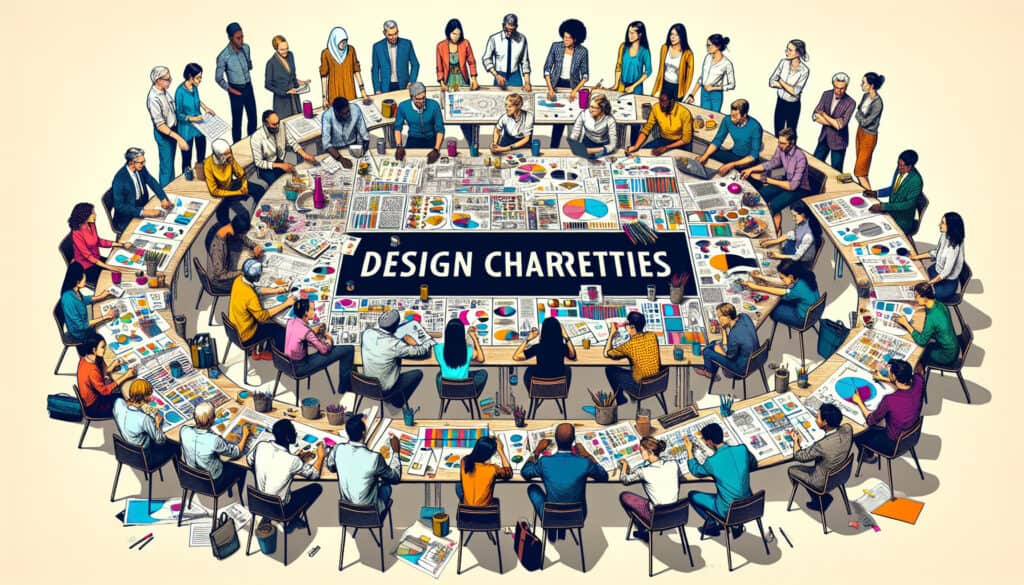
ورشة عمل تصميمية مكثفة وتعاونية، حيث يجتمع أصحاب المصلحة (المصممون والعملاء والمستخدمون والخبراء) لتبادل الأفكار وتطوير حل لـ مشاكل التصميم في فترة زمنية محددة.

كيفية استخدامه:

الايجابيات

سلبيات

الفئات:

الأفضل لـ:

Design charrettes are frequently utilized in urban planning, architecture, and product development, bringing together diverse stakeholders such as designers, engineers, clients, and users throughout the different phases of a project, particularly during ideation and concept refinement. These intensive workshops often occur early in the design process, allowing rapid ideation and synthesis of varied perspectives that can enrich the final product. For example, in the context of urban redevelopment, a charrette may include local residents, planners, and environmental experts to collaboratively envision community spaces that meet ecological, social, and economic needs. This methodology provides a structured yet flexible format for brainstorming solutions, often utilizing sketching and visual tools to communicate ideas swiftly, which can lead to breakthrough innovations that might not arise in standard meetings. The participatory nature encourages engagement and can significantly reduce the time spent on revisions and misunderstandings later in the project by aligning different viewpoints early on. Organizations like the American Institute of Architects promote this approach for its ability to cultivate community involvement and garner a sense of shared investment in the outcomes, creating a platform where everyone can contribute, thus leading to a more user-centered design solution. Each session typically culminates in a tangible output or preliminary design direction that serves as a reference point for subsequent phases of development, reinforcing the commitment to collaboration and shared ownership among all participants, which is crucial for successful outcomes in interdisciplinary projects.

الخطوات الرئيسية لهذه المنهجية

  1. حدد مشكلة التصميم بوضوح وتأكد من أن جميع المشاركين يفهمونها.
  2. شجع على توليد الأفكار من خلال جلسات العصف الذهني والرسم التخطيطي.
  3. قم بتنظيم المشاركين في مجموعات صغيرة لإجراء مناقشات مركزة وتبادل الأفكار.
  4. تيسير تقديم الأفكار بسرعة من كل مجموعة لتبادل الأفكار.
  5. اجمع آراء المجموعة بأكملها حول الأفكار المطروحة.
  6. تحديد الأنماط والمواضيع المشتركة بين الأفكار المطروحة.
  7. العمل بشكل تعاوني على تحسين الأفكار وتحديد أولوياتها لمزيد من التطوير.
  8. التلاقي على اتجاه تصميمي محدد يعكس المدخلات الجماعية.

نصائح للمحترفين

  • قم بتضمين أدوات النماذج الأولية السريعة خلال الجلسة لتصور المفاهيم في الوقت الفعلي، مما يعزز الفهم والمشاركة.
  • قم بتعيين أدوار محددة للمشاركين، مثل الميسر، والكاتب، وفنان الرسم التخطيطي، لتحسين المساهمات والحفاظ على تنظيم الجلسة.
  • استخدم أساليب التفكير التباعدي والتقاربي بالتناوب، وشجع الأفكار الجامحة قبل تضييق نطاقها للوصول إلى حلول قابلة للتنفيذ.

لقراءة عدة منهجيات ومقارنتها, نوصي باستخدام

> مستودع المنهجيات الشامل  <
مع أكثر من 400 منهجية أخرى.

نرحب بتعليقاتكم على هذه المنهجية أو المعلومات الإضافية على قسم التعليقات أدناه ↓، وكذلك أي أفكار أو روابط متعلقة بالهندسة.

السياق التاريخي

1950
1955
1956
1960
1960
1960
1960
1950
1950
1955
1958
1960
1960
1960
1960

(إذا كان التاريخ غير معروف أو غير ذي صلة، على سبيل المثال "ميكانيكا الموائع"، يتم توفير تقدير تقريبي لظهوره الملحوظ)


منشورات ذات صلة

الصور بالحجم الكامل والتنزيلات متاحة فقط 100% مجاناً للأعضاء المسجلين.