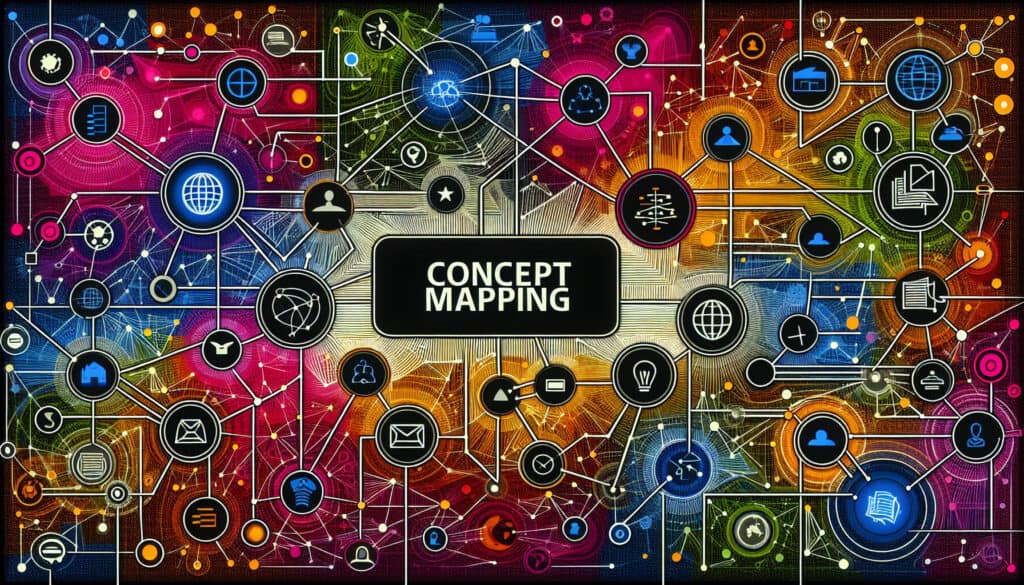
Concept Mapping proves valuable across various stages of product development and design, enabling teams to explore interconnected ideas and refine their focus. For instance, during the ideation phase, cross-functional teams can visually represent their thoughts around a new product or solution, enhancing collaborative efforts and preventing information silos. In sectors like healthcare, education, and software development, concept mapping facilitates the identification of user needs, system requirements, and design specifications. Participating in this process typically involves designers, engineers, product managers, and stakeholders who contribute diverse perspectives, enriching the map’s effectiveness. The methodology proves beneficial in workshops and brainstorming sessions, where participants can dynamically adapt the map as new ideas arise, ensuring that no significant concepts are overlooked. By using color coding and various shapes, teams can prioritize elements and elucidate relationships between aspects, making discussions more productive and focused. This visual representation serves not just as a tool for problem-solving but also as a foundation for creating documentation, training materials, and roadmaps, ensuring that all participants maintain a unified vision throughout the project’s lifecycle.
الخطوات الرئيسية لهذه المنهجية
نصائح للمحترفين
لقراءة عدة منهجيات ومقارنتها, نوصي باستخدام
> مستودع المنهجيات الشامل <
مع أكثر من 400 منهجية أخرى.
نرحب بتعليقاتكم على هذه المنهجية أو المعلومات الإضافية على قسم التعليقات أدناه ↓، وكذلك أي أفكار أو روابط متعلقة بالهندسة.