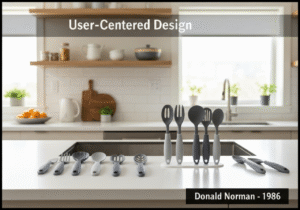
Contextual Design methodology finds extensive application in industries such as consumer electronics, healthcare, and automotive, where the need for
محورها المستخدم products is paramount. This approach is often employed during the early stages of the design process, particularly during concept development and testing phases. Initiatives are typically led by design teams, user researchers, and engineers who collaborate closely with stakeholders and organizations to ensure the needs of end-users are incorporated from the outset. Field observations can reveal everyday challenges users encounter, allowing designers to create detailed contextual models that capture workflows, emotional factors, and environmental influences, leading to innovative solutions that may not surface through traditional market research. Design firms, startups, and established corporations increasingly
يخطب users through co-design workshops, where participants share their experiences directly, enhancing empathy and understanding as they actively contribute to the design process. This dynamic exchange often results in products that are not only functional but also resonate deeply with users on a personal level, addressing latent needs that may have previously gone unrecognized. As a result, teams can achieve a stronger alignment with user habits and preferences, ultimately resulting in higher satisfaction, engagement, and market acceptance for the developed solutions.
To read and compare several methodologies, we recommend the
> Extensive Methodologies Repository <
together with the 400+ other methodologies.
Your comments on this methodology or additional info are welcome on the comment section below ↓ , so as any engineering-related ideas or links.