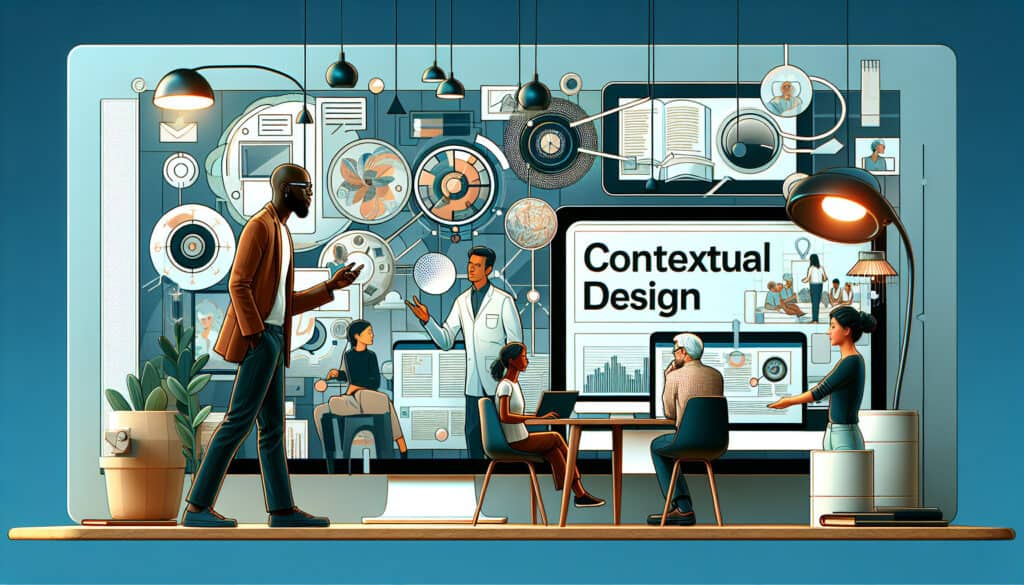
Contextual Design methodology finds extensive application in industries such as consumer electronics, healthcare, and automotive, where the need for
사용자 중심 products is paramount. This approach is often employed during the early stages of the design process, particularly during concept development and testing phases. Initiatives are typically led by design teams, user researchers, and engineers who collaborate closely with stakeholders and organizations to ensure the needs of end-users are incorporated from the outset. Field observations can reveal everyday challenges users encounter, allowing designers to create detailed contextual models that capture workflows, emotional factors, and environmental influences, leading to innovative solutions that may not surface through traditional
시장 조사. Design firms, startups, and established corporations increasingly
관계를 맺다 users through co-design workshops, where participants share their experiences directly, enhancing empathy and understanding as they actively contribute to the design process. This dynamic exchange often results in products that are not only functional but also resonate deeply with users on a personal level, addressing latent needs that may have previously gone unrecognized. As a result, teams can achieve a stronger alignment with user habits and preferences, ultimately resulting in higher satisfaction, engagement, and market acceptance for the developed solutions.
여러 방법론을 읽고 비교하기 위해, 저희는 다음을 추천합니다
> 광범위한 방법론 저장소 <
400가지가 넘는 다른 방법론들과 함께.
이 방법론에 대한 의견이나 추가 정보는 언제든지 환영합니다. 아래 댓글란 ↓ , 엔지니어링 관련 아이디어나 링크도 마찬가지입니다.