وثائق التصميم, مراجعة التصميم, تحسين العمليات, ضمان الجودة, ضبط الجودة, إدارة الجودة, نظام إدارة الجودة (QMS), تَحَقّق, التحقق والتصديق
الهدف:
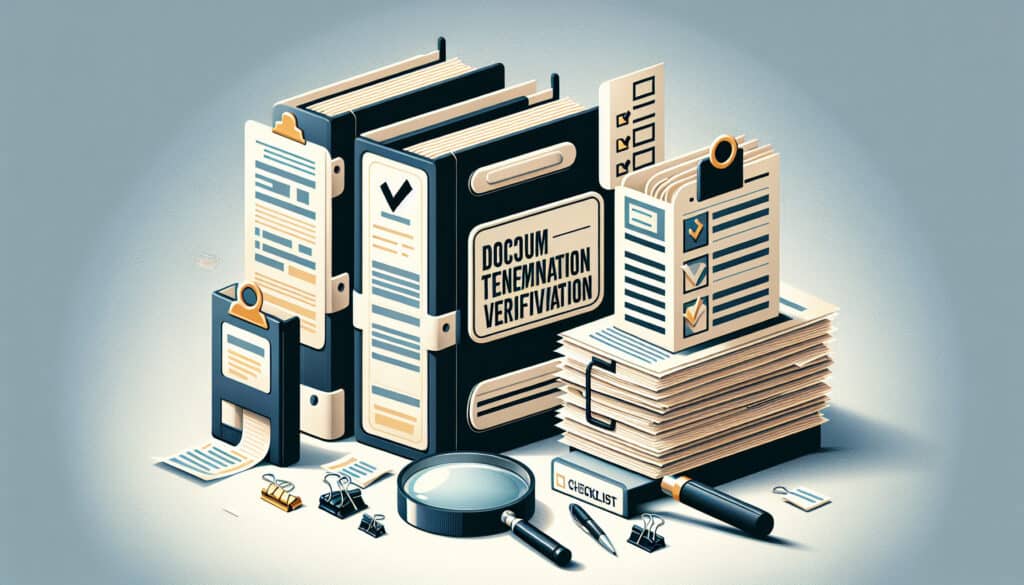
عملية مراجعة جميع أنواع الوثائق المتعلقة بمشروع أو نظام ما لضمان دقتها ووضوحها واكتمالها.
كيفية استخدامه:
يمكن أن يشمل ذلك مراجعة مواصفات المتطلبات ووثائق التصميم وأدلة المستخدم وخطط الاختبار للعثور على الأخطاء أو التناقضات أو الغموض.
الايجابيات
يضمن أن يكون لدى جميع أصحاب المصلحة فهم واضح ودقيق للنظام؛ يحسن من جودة المنتج وقابلية صيانته؛ وهو جزء أساسي من ضمان الجودة.
سلبيات
يمكن أن تكون عملية يدوية مملة جدًا وتستغرق وقتًا طويلاً؛ من السهل أن تفوتك الأخطاء في المستندات الكبيرة؛ الحفاظ على تحديث الوثائق يمثل تحديًا مستمرًا.
الفئات:
هندسة, إدارة المشاريع, جودة
الأفضل لـ:
التحقق من دقة واكتمال وثائق المشروع، مثل المتطلبات وأدلة المستخدم.
Documentation Checking is often integrated within the broader scope of software development and engineering processes, particularly during various stages such as requirements gathering, design reviews, and pre-release testing. This methodology proves useful in industries such as aerospace, automotive, software, and electronics, where precision is paramount due to safety regulations and user safety. The initiation of documentation checking typically involves project managers or quality assurance teams who organize review sessions, bringing together stakeholders, design engineers, product managers, and end-users to verify that documentation accurately reflects the intended functionalities and user requirements. This collaborative approach encourages feedback and identifies any discrepancies or ambiguities early in the project, thereby minimizing the risk of costly errors during later phases. The process addresses a range of documents including requirement specifications, design documents, and test plans, ensuring that they remain aligned with the project’s goals. Engaging in thorough documentation reviews often identifies areas for improvement, enhancing understanding among team members and increasing the likelihood of producing a well-documented system, which is easier to maintain and modify in the future. Regular documentation checks also promote best practices in writing clear and concise manuals that can directly enhance user experience and satisfaction by providing accurate guidance. In regulated industries, consistent documentation review practices can facilitate compliance with industry standards and aid in passing audits, protecting organizations from potential liabilities. By embedding these practices into project workflows, teams can cultivate a culture of quality and accountability that is reflected in the final product.
الخطوات الرئيسية لهذه المنهجية
تحديد جميع الوثائق ذات الصلة التي يجب فحصها، مثل مواصفات المتطلبات ووثائق التصميم.
قم بمراجعة كل وثيقة للتأكد من وضوحها واكتمالها، وضمان تضمين جميع المعلومات الضرورية.
قم بمراجعة المستندات لتأكيد الاتساق بين المتطلبات والتصاميم وأدلة المستخدم.
تحقق من الامتثال لمعايير الصناعة والمبادئ التوجيهية المطبقة على المشروع.
قم بتسليط الضوء على أي غموض أو تناقضات لمزيد من المناقشة مع أصحاب المصلحة.
تأكد من أن جميع المصطلحات والمفاهيم محددة ومفهومة بوضوح.
توثيق النتائج بتنسيق واضح، مع الإشارة إلى خطورة المشكلات التي تم تحديدها.
تيسير المناقشات مع أصحاب المصلحة لمعالجة المشاكل التي تم تحديدها والتوصل إلى توافق في الآراء بشأن الحلول.
تحديث الوثائق حسب الضرورة بناءً على ملاحظات أصحاب المصلحة والنتائج اللاحقة.
إجراء مراجعة نهائية للوثائق المحدثة للتحقق من حل جميع المشكلات.
نصائح للمحترفين
استخدم الأدوات الآلية لمقارنة المستندات لتحديد التناقضات بسرعة وضمان المواءمة بين جميع الوثائق.
تنفيذ قائمة مرجعية مصممة خصيصًا لتلبية احتياجات المشروع المحددة للتحقق الشامل من الامتثال للمعايير المحددة وتوقعات أصحاب المصلحة.
قم بإجراء مراجعات منتظمة للأقران ضمن فرق متعددة الوظائف للاستفادة من الخبرات المتنوعة، والتي يمكن أن تكشف الغموض وتحسن وضوح المستندات.