Product Design, Manufacturing & Innovation Resources
بيت » نموذج إطلاق خدمة مشاركة الركوب

نموذج إطلاق خدمة مشاركة الركوب

2000
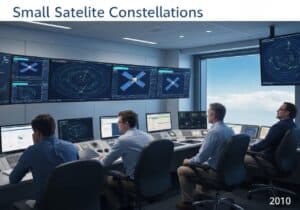
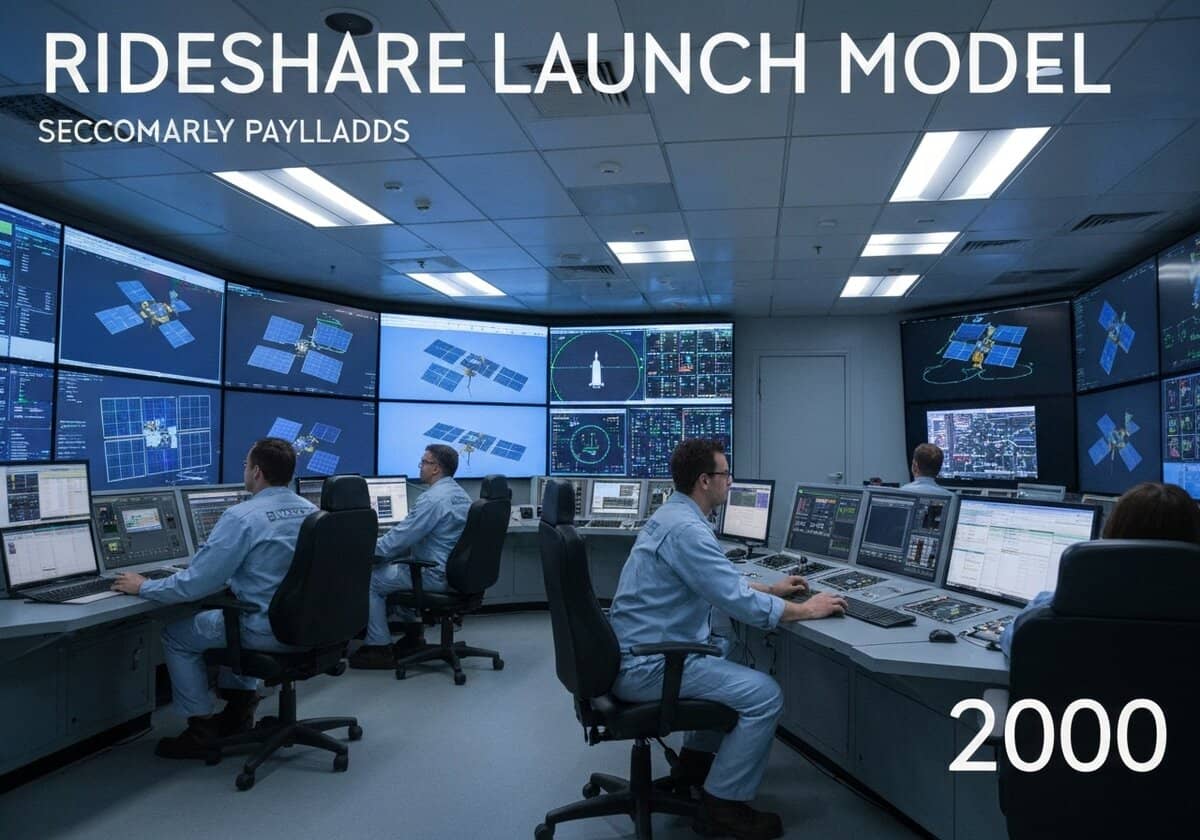
غرفة التحكم في مجال الطيران والفضاء مع مهندسين يراقبون إطلاق القمر الصناعي.

(صورة تم إنشاؤها للتوضيح فقط)

استراتيجية إطلاق يتم فيها إطلاق عدة أقمار صناعية صغيرة كحمولات ثانوية على صاروخ مهمته الأساسية إطلاق قمر صناعي رئيسي أكبر. يقلل هذا النهج "النقلي" بشكل كبير من تكلفة قمر صناعي صغير المشغلون، لأنهم لا يدفعون إلا مقابل جزء صغير من إجمالي سعة مركبة الإطلاق، مما يجعل الوصول إلى الفضاء أكثر سهولة وتكرارًا بالنسبة للشركات الصغيرة.

The rideshare, or piggyback, launch model addresses the fundamental economic challenge of space access for small operators. A dedicated launch vehicle can cost tens to hundreds of millions of dollars, a price far beyond the budget for a small university or startup satellite. Ridesharing amortizes this cost across many customers. The primary payload owner pays the bulk of the launch cost and dictates the final orbit and launch schedule. Secondary payloads must be ableto accommodate these constraints.

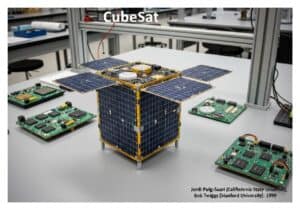
This model created a new market segment for ‘launch brokers’ or ‘aggregators’. These companies act as intermediaries, purchasing a large slot on a rocket (like an Atlas V, Falcon 9, or PSLV) and then selling smaller portions of that capacity to numerous small satellite operators. They handle the complex logistics of payload integration, documentation, and mechanical/electrical interfacing with the launch vehicle. The development of standardized deployers, such as the CubeSat P-POD, was a critical enabler for this model, allowing dozens of satellites to be integrated safely and efficiently. While ridesharing offers low costs, the trade-off is a lack of control over the destination orbit and launch timing, which has in turn spurred the development of dedicated small satellite launch vehicles.

UNESCO Nomenclature: 3302
هندسة الطيران والفضاء

يكتب

النموذج اللوجستي

الاضطراب

كبير

الاستخدام

الاستخدام الواسع النطاق

السلائف

  • Ariane structure for auxiliary payloads (asap) developed in the 1980s
  • برنامج أسطوانات الغاز لمكوك الفضاء "رحلة خاصة"
  • early amateur radio satellites launched as ballast or secondary payloads
  • economic pressure to reduce the cost of space access

التطبيقات

  • dedicated smallsat launch brokers (e.g., spaceflight industries, exolaunch)
  • عمليات الإطلاق التجارية لصاروخ PSLV التابع لمنظمة أبحاث الفضاء الهندية (ISRO)، والتي نشرت مئات الأقمار الصناعية الصغيرة
  • برنامج الأقمار الصناعية الصغيرة لشركة سبيس إكس باستخدام صاروخ فالكون 9
  • development of specialized satellite deployers (e.g., p-pod, isipod, sherpa)
  • launch of large constellations requiring multiple, cost-effective deployments

براءات الاختراع:

NA

أفكار ابتكارات محتملة

بسبب عمليات جمع البيانات من خلال برامج الروبوت، والتي تتجاوز حاليًا 40 ألفًا يوميًا، فإن هذا المحتوى مخصص لأعضاء المجتمع فقط.
> تسجيل الدخول < أو > سجل < (مجاني 100٪) للوصول إلى هذا، وكذلك جميع المحتويات والأدوات الأخرى المقيدة.

ذات صلة بـ: مشاركة الرحلات، الإطلاق على الحمولة الثانوية، الحمولة الثانوية، مركبة الإطلاق، الوصول إلى الفضاء، اقتصاديات الإطلاق، الأقمار الصناعية الصغيرة، الكوكبة، PSLV، فالكون 9.

السياق التاريخي

نموذج إطلاق خدمة مشاركة الركوب

1999-05-01
2000
2000
2000
2003
2010
2013-09-24
1999
2000
2000
2000
2002
2010
2013

(إذا كان التاريخ غير معروف أو غير ذي صلة، على سبيل المثال "ميكانيكا الموائع"، يتم توفير تقدير تقريبي لظهوره الملحوظ)

الاختراع والابتكار والمبادئ التقنية ذات الصلة

الصور بالحجم الكامل والتنزيلات متاحة فقط 100% مجاناً للأعضاء المسجلين.