Product Design, Manufacturing & Innovation Resources
بيت » Phytoremediation

Phytoremediation

1980
  • Rufus Chaney
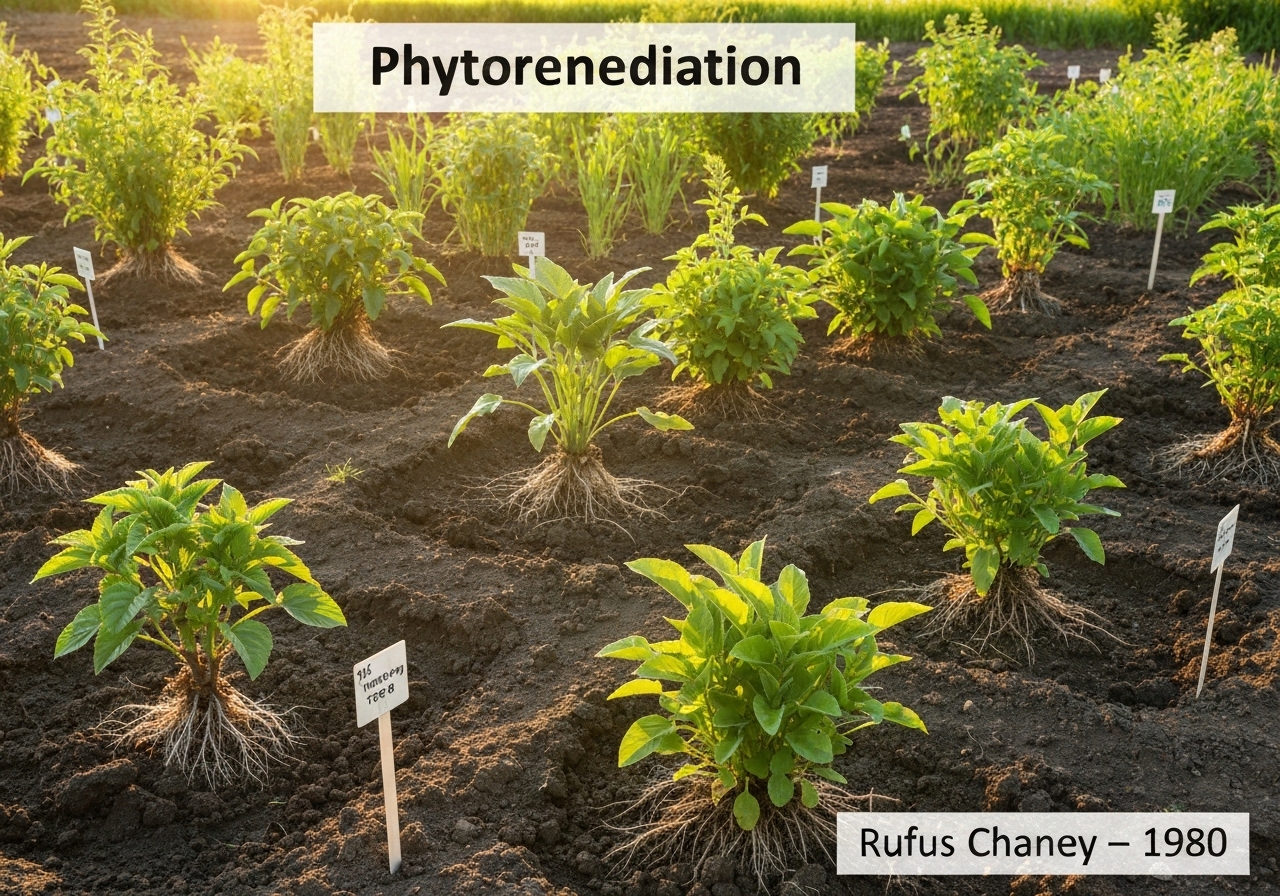
موقع المعالجة النباتية بالنباتات المتنوعة التي تزيل ملوثات التربة في البيولوجيا البيئية.

(صورة تم إنشاؤها للتوضيح فقط)

Phytoremediation is a bioremediation process that uses various types of plants to remove, transfer, stabilize, or destroy contaminants in soil and groundwater. This low-cost, solar energy-driven technique is effective for cleaning up sites with low to moderate levels of contamination. Different mechanisms are involved, including phytoextraction (uptake into harvestable plant tissues), phytodegradation (breakdown of contaminants), and phytostabilization (reducing mobility).

Phytoremediation harnesses the natural abilities of plants to remediate contaminated environments. The process is multifaceted, relying on several distinct mechanisms. Phytoextraction, or phytoaccumulation, involves plants absorbing contaminants, particularly heavy metals, from the soil through their roots and translocating them to the harvestable above-ground biomass (shoots and leaves). These plants, known as hyperaccumulators, can then be harvested and disposed of, effectively removing the metals from the site. Phytodegradation refers to the breakdown of complex organic contaminants into simpler, less toxic molecules by plant enzymes, either internally or externally through root exudates that stimulate microbial activity in the rhizosphere. Phytostabilization aims to reduce the mobility and bioavailability of contaminants in the soil. Plants achieve this by absorbing and precipitating contaminants onto their roots, or by altering soil chemistry to immobilize them, thereby preventing their migration into groundwater or the food chain.

وثمة آلية أخرى تتمثل في الاستقلاب النباتي، حيث تمتص النباتات الملوثات وتطلقها في الغلاف الجوي في شكل معدل أقل سمية من خلال النتح. وفي حين أن هذه الآلية فعالة بالنسبة لبعض المركبات المتطايرة مثل الزئبق أو السيلينيوم، إلا أنها ببساطة تنقل الملوث إلى وسط آخر. إن اختيار الأنواع النباتية المناسبة أمر بالغ الأهمية ويعتمد على الملوثات المحددة والمناخ وظروف التربة. وتُعتبر المعالجة النباتية تقنية "خضراء" صديقة للبيئة وممتعة من الناحية الجمالية، ولكنها عملية أبطأ بشكل عام مقارنة بالطرق الهندسية التقليدية ومحدودة بعمق جذور النباتات.

UNESCO Nomenclature: 2505
- البيئة

يكتب

العملية البيولوجية

الاضطراب

كبير

الاستخدام

الاستخدام الواسع النطاق

السلائف

  • understanding of plant physiology and nutrient uptake
  • discovery of hyperaccumulating plant species
  • knowledge of soil chemistry and contaminant bioavailability
  • agricultural practices for managing soil health

التطبيقات

  • cleanup of heavy metal contaminated soils (e.g., lead, cadmium, arsenic)
  • remediation of sites with organic pollutants like petroleum hydrocarbons
  • hydraulic control of groundwater plumes
  • riparian buffers to filter agricultural runoff
  • brownfield site redevelopment

براءات الاختراع:

NA

أفكار ابتكارات محتملة

بسبب عمليات جمع البيانات من خلال برامج الروبوت، والتي تتجاوز حاليًا 40 ألفًا يوميًا، فإن هذا المحتوى مخصص لأعضاء المجتمع فقط.
> تسجيل الدخول < أو > سجل < (مجاني 100٪) للوصول إلى هذا، وكذلك جميع المحتويات والأدوات الأخرى المقيدة.

ذات صلة بما يلي: المعالجة النباتية، النباتات، النباتات، المعادن الثقيلة، تلوث التربة، المياه الجوفية، الاستخلاص النباتي، التحلل النباتي، التثبيت النباتي، فرط التراكم، التكنولوجيا الخضراء.

السياق التاريخي

Phytoremediation

1960
1970
1975
1980
1980
1982
1990
1960
1970
1970
1978
1980
1980
1982
1990

(إذا كان التاريخ غير معروف أو غير ذي صلة، على سبيل المثال "ميكانيكا الموائع"، يتم توفير تقدير تقريبي لظهوره الملحوظ)

الاختراع والابتكار والمبادئ التقنية ذات الصلة

الصور بالحجم الكامل والتنزيلات متاحة فقط 100% مجاناً للأعضاء المسجلين.