Product Design, Manufacturing & Innovation Resources
بيت » Bioremediation

Bioremediation

1970
علماء البيئة الذين يجرون معالجة حيوية في موقع تربة ملوثة.

(صورة تم إنشاؤها للتوضيح فقط)

Bioremediation is a process that uses microorganisms, fungi, green plants, or their enzymes to return a contaminated environment to its original condition. It can be employed to attack specific soil contaminants, such as chlorinated pesticides, or to treat a wider range of pollutants. Bioremediation can occur naturally (natural attenuation) or be spurred on by adding fertilizers (biostimulation) or specific microorganisms (bioaugmentation).
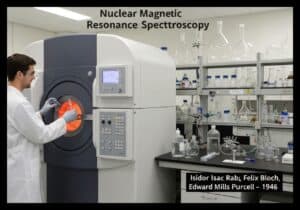
Bioremediation leverages biological processes to manage and neutralize contaminants in soil, water, and sediments. The core principle is that certain microorganisms can use contaminants as a food source, metabolizing them into less harmful or non-toxic substances like carbon dioxide and water. This process can be categorized as either in-situ or ex-situ. In-situ bioremediation treats the contaminated material in place, which is less disruptive and often more cost-effective. Ex-situ bioremediation involves excavating the contaminated soil or pumping the groundwater to be treated elsewhere, allowing for more controlled conditions but at a higher cost.

Key strategies to enhance bioremediation include biostimulation and bioaugmentation. Biostimulation involves modifying the environment to stimulate existing bacteria capable of bioremediation. This is often done by adding nutrients like nitrogen and phosphorus or an electron acceptor such as oxygen. Bioaugmentation involves introducing specific, often non-native, microorganisms to the site that are known to degrade the target contaminant. This is useful when the indigenous microbial population is insufficient or lacks the necessary metabolic capabilities. The effectiveness of bioremediation depends heavily on factors like contaminant type and concentration, temperature, pH, and the presence of oxygen and nutrients.

UNESCO Nomenclature: 2505
- البيئة

يكتب

العملية البيولوجية

الاضطراب

كبير

الاستخدام

الاستخدام الواسع النطاق

السلائف

  • discovery of microorganisms by antonie van leeuwenhoek
  • عمل لويس باستور في مجال التخمير والتمثيل الغذائي الميكروبي
  • understanding of the carbon and nitrogen cycles in ecosystems
  • early use of landfarming for oil waste disposal

التطبيقات

  • oil spill cleanup
  • treatment of contaminated groundwater
  • degradation of industrial solvents in soil
  • wastewater treatment plants
  • cleanup of sites contaminated with chlorinated pesticides

براءات الاختراع:

NA

أفكار ابتكارات محتملة

بسبب عمليات جمع البيانات من خلال برامج الروبوت، والتي تتجاوز حاليًا 40 ألفًا يوميًا، فإن هذا المحتوى مخصص لأعضاء المجتمع فقط.
> تسجيل الدخول < أو > سجل < (مجاني 100٪) للوصول إلى هذا، وكذلك جميع المحتويات والأدوات الأخرى المقيدة.

ذات صلة ب: المعالجة البيولوجية، الكائنات الحية الدقيقة، التلوث، التلوث، التلوث، التنظيف البيئي، التحفيز الحيوي، التحفيز الحيوي، التحلل الحيوي، في الموقع، خارج الموقع، التحلل الحيوي.

السياق التاريخي

Bioremediation

1946
1950
1960
1970
1970
1978
1980
1940
1950
1950
1960
1970
1975
1980
1980

(إذا كان التاريخ غير معروف أو غير ذي صلة، على سبيل المثال "ميكانيكا الموائع"، يتم توفير تقدير تقريبي لظهوره الملحوظ)

الاختراع والابتكار والمبادئ التقنية ذات الصلة

الصور بالحجم الكامل والتنزيلات متاحة فقط 100% مجاناً للأعضاء المسجلين.