عالم الابتكار

(صورة توضيحية فقط)
عالم الابتكار
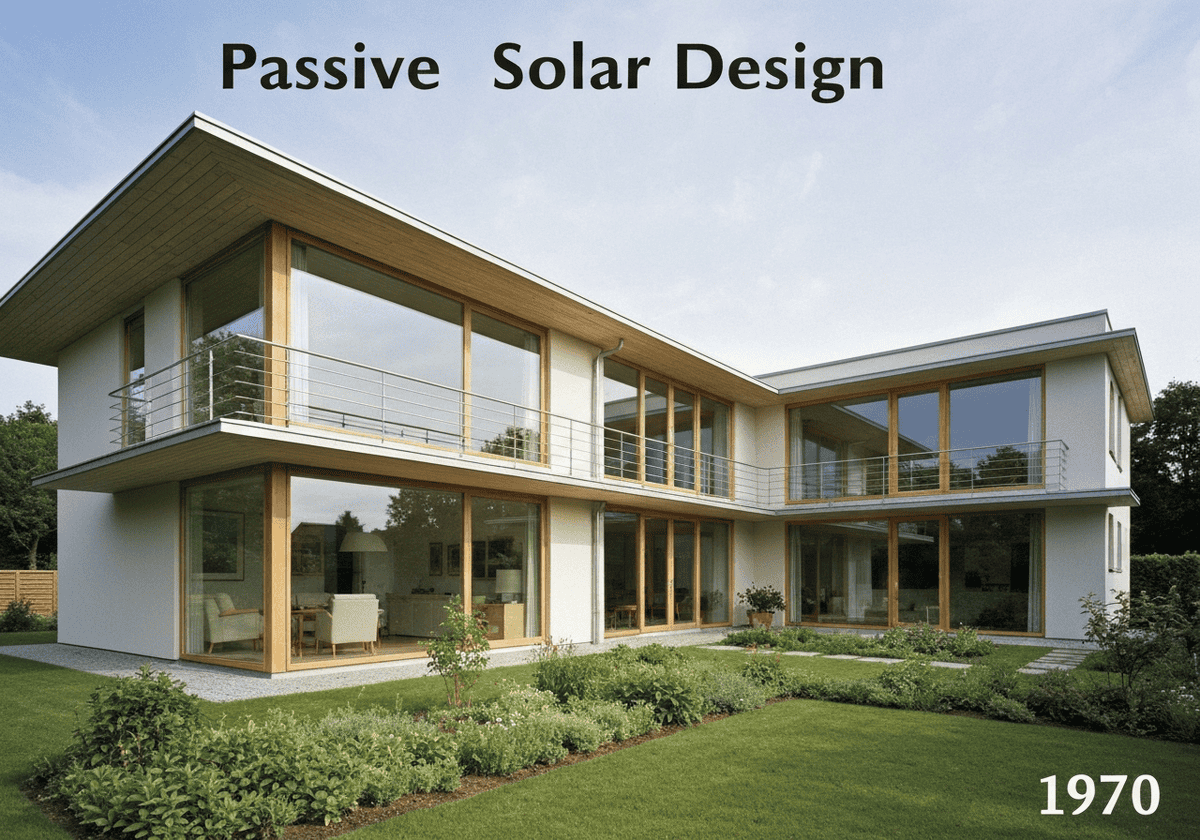
Passive solar design relies on five key principles. The first is the aperture (or collector), which consists of large glass areas (windows, skylights) oriented to face the sun’s path, typically south in the Northern Hemisphere. These allow sunlight to enter the building. The second principle is the absorber, which involves hard, darkened surfaces on the sun-exposed side of a thermal mass. These surfaces absorb the incoming solar radiation and convert it into heat.
The third principle is thermal mass, which is a material with the capacity to store significant amounts of heat. Materials like concrete, طوب, stone, and water are commonly used. The thermal mass is positioned to be irradiated by the sunlight entering through the aperture. It absorbs excess heat during the day and slowly releases it into the space at night, moderating internal temperature fluctuations.
المبدأ الرابع هو التوزيع، وهو الطريقة التي تنتقل بها الحرارة الشمسية من نقاط التجميع والتخزين إلى مختلف أنحاء المبنى. يحدث ذلك من خلال الحمل الحراري الطبيعي، والتوصيل، والإشعاع. على سبيل المثال، يرتفع الهواء الدافئ ويُعاد تدويره عبر فتحات تهوية عالية، بينما يُسحب الهواء البارد عبر فتحات تهوية منخفضة.
المبدأ الأخير هو التحكم. يتضمن هذا آلياتٍ لإدارة آثار الشمس، وخاصةً لمنع ارتفاع درجة الحرارة في الصيف. تُعدُّ أسقف المنازل المتدلية، والمظلات، والستائر، والأشجار المتساقطة الأوراق من عناصر التحكم الشائعة. صُممت هذه العناصر لحجب أشعة الشمس الصيفية المرتفعة، مع السماح لأشعة الشمس الشتوية المنخفضة باختراق المبنى.
تصميم الطاقة الشمسية السلبية
(إذا كان التاريخ غير معروف أو غير ذي صلة، على سبيل المثال "ميكانيكا الموائع"، يتم توفير تقدير تقريبي لظهوره الملحوظ)
الصور والتنزيلات بالحجم الكامل متاحة فقط، ومجانية تمامًا، للأعضاء المسجلين.
> تسجيل الدخول <