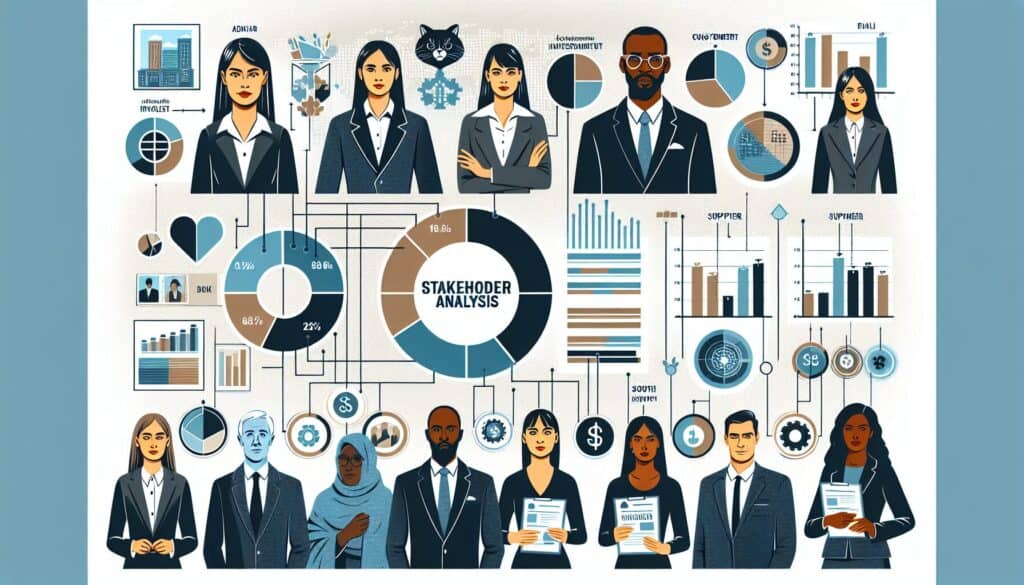
Stakeholder analysis is widely utilized in industries such as construction, software development, healthcare, and product design to ensure that all parties who can influence or are affected by a project are identified and actively considered. This methodology typically unfolds in the planning phase of a project, where project managers or team leaders initiate the process to map out stakeholders, which can range from end-users and customers to regulatory agencies and internal departments. Workshops and surveys are common approaches for engaging participants in this analysis to capture a broad array of perspectives and expectations. Given its structured approach, stakeholder analysis allows teams to prioritize their engagement based on the power and interest of each stakeholder, ensuring that key individuals receive appropriate attention while less influential members are kept informed. By proactively managing stakeholders’ expectations and concerns, teams can build alliances that can reduce opposition and facilitate more productive collaborations. Risks such as opposition to product features or regulatory hurdles can be flagged early, allowing for timely adjustments in project scope or strategy. The thorough understanding of stakeholder dynamics not only enhances communication channels but also contributes to a positive project environment, leading to improved satisfaction among all parties involved. In innovative sectors, this methodology supports iterative development processes, enabling continuous feedback loops that align product evolution with stakeholder needs, thereby contributing to successful project outcomes.