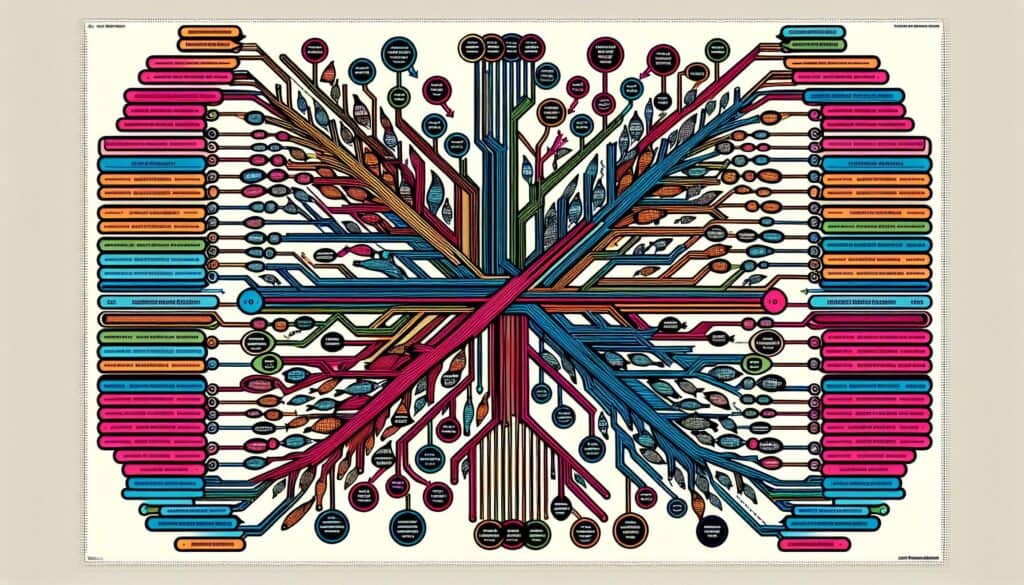
The Fishbone Diagram, or Ishikawa Diagram, is particularly useful in industries such as manufacturing, healthcare, and software development for identifying root causes of quality issues. Commonly employed during the analysis phase of problem-solving, teams typically initiate this methodology during brainstorming sessions that draw participants from diverse functions including engineering, quality assurance, operations, and management. By categorizing causes into defined groups such as People, Process, Equipment, Materials, Environment, and Management, teams can explore not just immediate factors but also underlying systemic issues contributing to a problem. This structured approach encourages collaborative input from all members, fostering a culture of engagement and shared responsibility in troubleshooting. For instance, in a product development setting, a Fishbone Diagram might be used to dissect delays in a project timeline, allowing teams to systematically address challenges ranging from resource allocation to communication breakdowns. The diagram’s visual representation enables stakeholders to grasp the interconnections among various causes, making it a practical tool for continuous improvement initiatives or root cause analysis in six sigma projects, enhancing the quality of products and services delivered. This method can be beneficial in various scenarios, such as during the review of customer feedback regarding product defects or when addressing inefficiencies in operational workflows, ensuring a comprehensive exploration of potential sources of problems while steering clear of symptomatic fixes.
该方法的关键步骤
专业提示
阅读和比较几种方法、 我们建议
> 广泛的方法论资料库 <
以及其他 400 多种方法。
欢迎您就此方法发表评论或提供更多信息,请登录 下面的评论区 ↓ ,因此任何与工程相关的想法或链接都是如此。