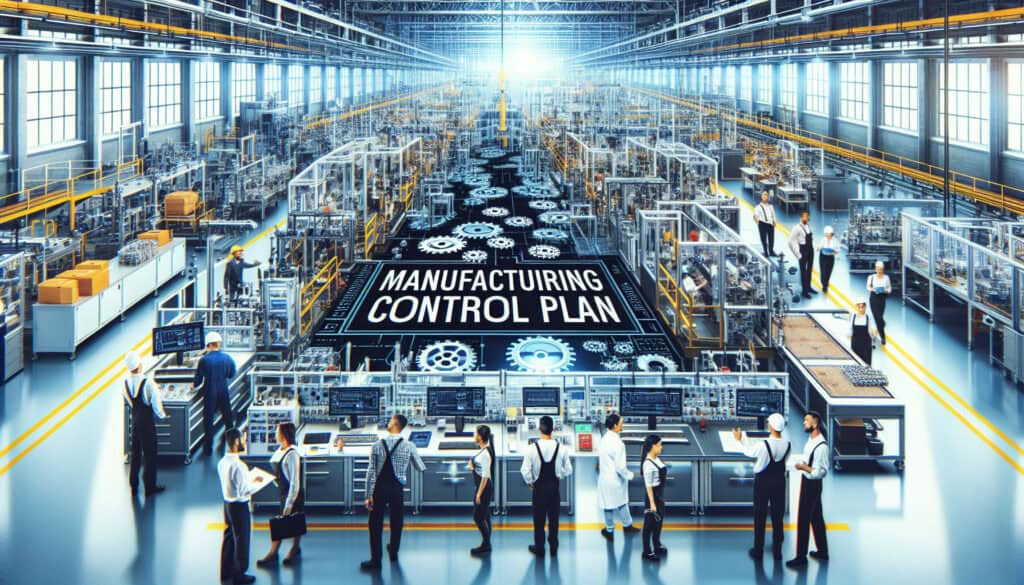
The Manufacturing Control Plan is particularly valuable in industries such as automotive, aerospace, consumer electronics, and medical devices where precision and compliance with stringent regulatory standards are pivotal. This methodology is utilized extensively in the production phase where measurable actions can be clearly documented, allowing for systematic assessments at various stages of manufacture. Participants typically include quality assurance teams, process engineers, production supervisors, and operators who collectively engage in developing and executing the plan to align manufacturing outputs with predefined specifications. For example, in automotive manufacturing, a Manufacturing Control Plan may outline specific inspection criteria for components such as engines and safety systems to ensure they meet safety regulations and customer expectations. Regular audits and reviews of the plan facilitate continuous process improvement, enabling organizations to identify and mitigate potential issues proactively. By detailing quality checks, measurement tools, and verification processes, the plan supports standardization in operations, reduces variability, and ultimately leads to enhanced customer satisfaction through reliable product performance. The structured approach also encourages collaboration across departments, as everyone involved understands their specific responsibilities and the overall quality goals of the manufacturing process.
该方法的关键步骤
确定产品规格和质量要求。.
确定流程和关键控制点。.
为每个阶段建立测量和检查技术。.
制定具体的质量检查清单和检查频率。.
分配执行质量检查的责任。.
记录根据检查结果进行的流程调整。.
实施纠正措施,解决不合格问题。.
定期审查控制计划的有效性并进行更新。.
专业提示
Incorporate real-time data analytics to adapt inspection criteria based on process performance trends.