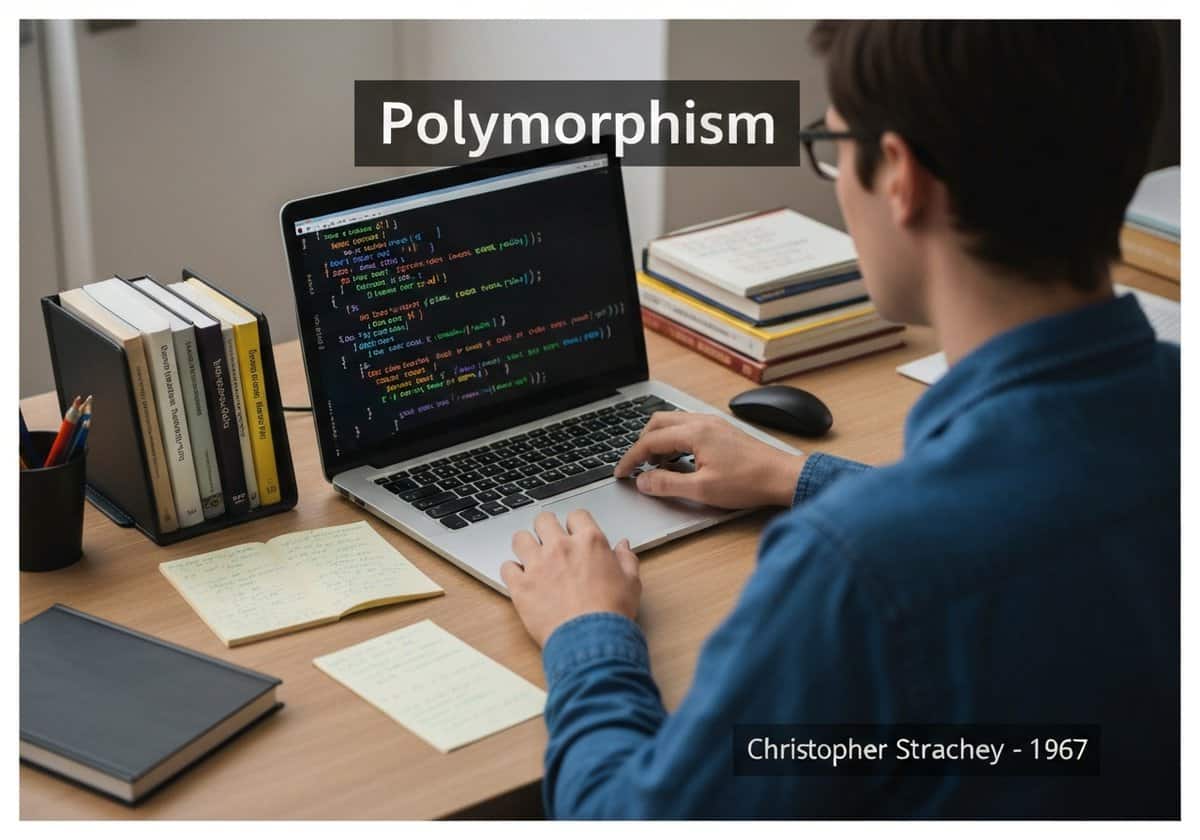
Polymorphism is a powerful concept that allows for writing flexible and decoupled code. The most common form in OOP is subtype polymorphism, which is enabled by inheritance and method overriding. When a subclass provides a specific implementation for a method that is already defined in its superclass, it is called overriding. A variable of the superclass type can refer to an object of any of its subclasses. When a method is called on this variable, the version of the method that gets executed is the one belonging to the object’s actual class, not the variable’s type. This decision is made at runtime, a process known as dynamic dispatch or late binding.