Product Design, Manufacturing & Innovation Resources
» 伽马射线灭菌

伽马射线灭菌

1960
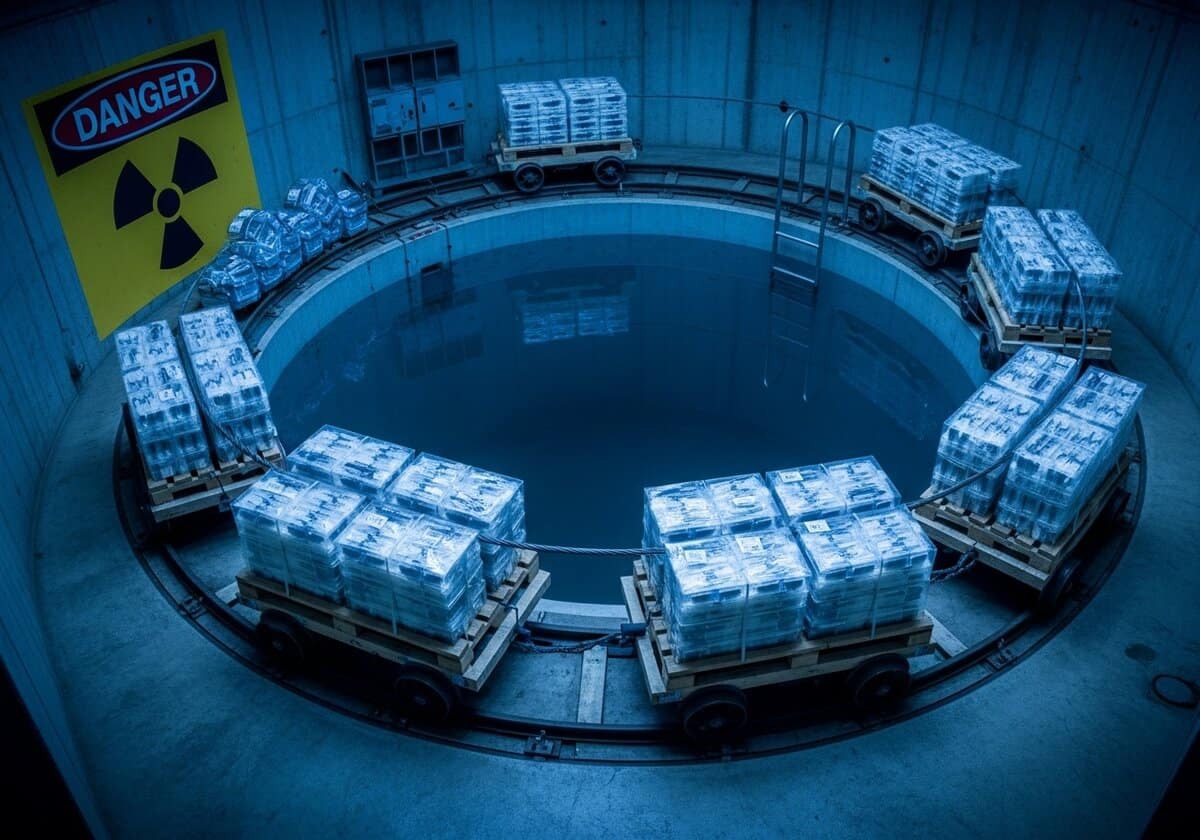
伽马射线消毒原理

(图片仅供参考)

方法 用途 高能 photons emitted from a radioisotope source, typically Cobalt-60, to sterilize products. The gamma rays pass through materials, creating free radicals and causing irreparable damage to 微生物 DNA, leading to cell death. It is a ‘cold’ process suitable for heat-sensitive items and can be performed on products already in their final sealed packaging.


Gamma irradiation sterilization is a form of ionizing radiation processing. The process utilizes gamma rays, which are a type of electromagnetic radiation with very short wavelengths and high energy, similar to X-rays but typically more energetic. The most common source for industrial sterilization is the radioisotope Cobalt-60 (⁶⁰Co). This isotope is produced in nuclear reactors and decays, emitting high-energy gamma photons. Products to be sterilized are placed on a conveyor system and passed through a heavily shielded concrete chamber (an irradiator) where they are exposed to the gamma radiation field for a specific duration. The key principle of its sterilizing action is the transfer of energy to the molecules within the microorganisms. When gamma photons pass through matter, they cause ionization by stripping electrons from atoms, creating highly reactive species such as free radicals (e.g., hydroxyl radicals from water). These free radicals indiscriminately attack and damage critical cellular components, with the most significant target being the microbial DNA. The radiation can cause single- and double-strand breaks in the DNA backbone, rendering the microorganism unable to replicate or perform vital cellular functions, leading to its death. A major advantage of gamma radiation is its high penetrating power, allowing it to sterilize products that are already sealed in their final packaging, thus preventing recontamination. This is known as terminal sterilization. The process is ‘cold,’ generating very little heat, which makes it suitable for heat-sensitive materials like plastics, pharmaceuticals, and biological tissues. The dose of radiation delivered is measured in kiloGrays (kGy), and a typical dose for sterilizing medical devices is 25 kGy, which is sufficient to achieve a [latex]10^{-6}[/latex] SAL.

这项技术的科学基础源于亨利·贝克勒尔于1896年发现放射性,以及随后对辐射生物效应的研究。20世纪初,人们认识到利用电离辐射杀灭微生物的潜力。然而,直到二战后,随着能够大量生产钴-60等放射性同位素的核反应堆的发展,工业规模的伽马射线灭菌才在经济和实践上变得可行。第一台用于医疗产品的商用伽马射线辐照仪于20世纪50年代末建成。这项技术彻底改变了医疗用品行业,实现了对预包装的一次性医疗器械(如注射器、缝合线和导管)进行可靠的大规模终端灭菌,这些器械如今已广泛应用于医疗保健领域。

UNESCO Nomenclature: 2210
核物理

类型

物理过程

中断

革命

用法

广泛使用

前体

  • 亨利·贝克勒尔发现放射性
  • 玛丽和皮埃尔·居里分离镭
  • 了解电离辐射对生物物质的影响
  • 开发用于生产钴-60等同位素的核反应堆

应用程序

  • 一次性医疗用品(手套、注射器)的灭菌
  • 食品辐照可延长保质期并杀死病原体
  • 化妆品和药品的净化
  • 移植用组织移植物的灭菌

专利:

NA

潜在创新理念

由于机器人流量被拦截(目前每天超过 4 万),此内容仅限社区成员查看。
> 登录 > 或者 > 注册 < (100% 免费)即可访问此内容,以及所有其他受限内容和工具。

相关术语:伽马射线辐照、灭菌、钴-60、电离辐射、医疗器械、食品辐照、DNA损伤、自由基、终端灭菌、冷加工。

历史背景

伽马射线灭菌

1960
1960
1960
1960
1960
1960
1960
1959-11
1960
1960
1960
1960
1960
1960
1960

(如果日期未知或不相关,例如“流体力学”,则提供其显著出现的近似估计)

相关发明、创新和技术原理

只有注册会员才能免费获得 100% 的全尺寸图片和下载。.

> 登录 <