Product Design, Manufacturing & Innovation Resources

Storyboard

Storyboard

Storyboard

Objetivo:

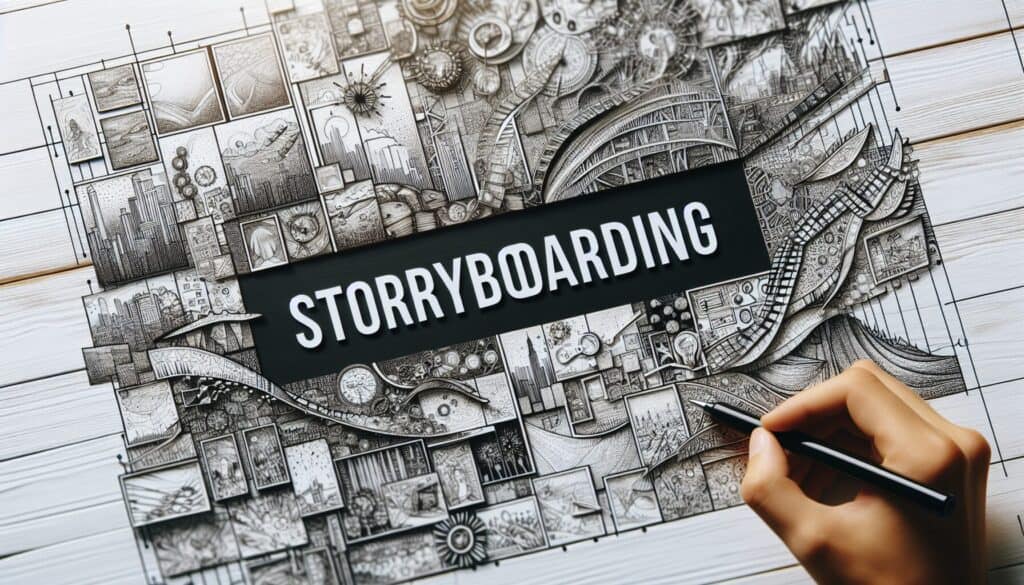
A visual technique used to outline a sequence of events, user interactions, or a narrative, typically using a series of drawings, sketches, or images arranged in chronological order.

Como é usado:

Prós

Contras

Categorias:

Ideal para:

Storyboarding is widely utilized in various industries such as film, animation, software design, and user experience research, where the key moments in a process or series of interactions need to be articulated visually. In product design, teams often employ storyboarding during the ideation phase to convey user scenarios, which facilitates brainstorming sessions and fosters collaboration among cross-functional teams. For example, a software company may create storyboards to outline a user’s experience while interacting with a new app feature, detailing each step visually and including captions that describe user intentions and emotions. This method is particularly effective in identifying potential pain points or misalignments in expectations early in the design process, allowing teams to iterate on ideas before development begins. Stakeholders, including UX designers, product managers, and engineers, typically participate in the creation of these storyboards, enabling diverse viewpoints and richer contextual understanding. Moreover, storyboarding serves as a valuable communication tool that simplifies presentations and dialogues with clients or other stakeholders who may not be familiar with technical jargon, thus advancing alignment and buy-in across various groups. In the context of training materials or marketing videos, storyboards aid in defining the visual narrative, ensuring that the final product aligns with the strategic vision and user needs.

Etapas principais desta metodologia

  1. Identifique o principal cenário ou narrativa do usuário.
  2. Divida a experiência do usuário em uma sequência de momentos ou ações principais.
  3. Crie esboços visuais para cada momento identificado.
  4. Adicione legendas breves para descrever a ação, os pensamentos ou o diálogo.
  5. Organize os elementos visuais em um fluxo lógico para representar a progressão.
  6. Revisar e iterar para garantir clareza e alinhamento com os objetivos.
  7. Compartilhe o storyboard com as partes interessadas para obter feedback.
  8. Incorpore o feedback e refine o storyboard conforme necessário.
  9. Finalize o storyboard para apresentação ou desenvolvimento posterior.

Dicas profissionais

- Integrate user feedback loops into storyboarding to refine narrative accuracy and ensure alignment with user expectations. - Use a mix of hand-drawn elements and digital techniques to capture spontaneity and clarity, facilitating a richer visual dialogue. - Create multiple iterations of storyboards to explore alternate scenarios and outcomes, allowing for adaptability and innovation in design narratives.

Para ler e comparar diversas metodologias, Recomendamos o

> Repositório abrangente de metodologias  <
juntamente com mais de 400 outras metodologias.

Seus comentários sobre esta metodologia ou informações adicionais são bem-vindos em [link para o site/plataforma]. seção de comentários abaixo ↓, assim como quaisquer ideias ou links relacionados à engenharia.

Contexto histórico

1950
1955
1956
1960
1960
1960
1960
1950
1950
1955
1958
1960
1960
1960
1960

(Caso a data seja desconhecida ou irrelevante, por exemplo, "mecânica dos fluidos", é fornecida uma estimativa aproximada de seu surgimento notável)


Imagens em tamanho real e downloads estão disponíveis apenas, 100% gratuitos, para membros registrados.