Product Design, Manufacturing & Innovation Resources

균형성과표

균형성과표

균형성과표

목적:

조직의 사명과 전략을 포괄적인 성과 측정 지표로 변환하여 제공하는 것 뼈대 전략적 측정 및 관리를 위해.

사용 방법:

장점

단점

카테고리:

다음과 같은 경우에 가장 적합합니다:

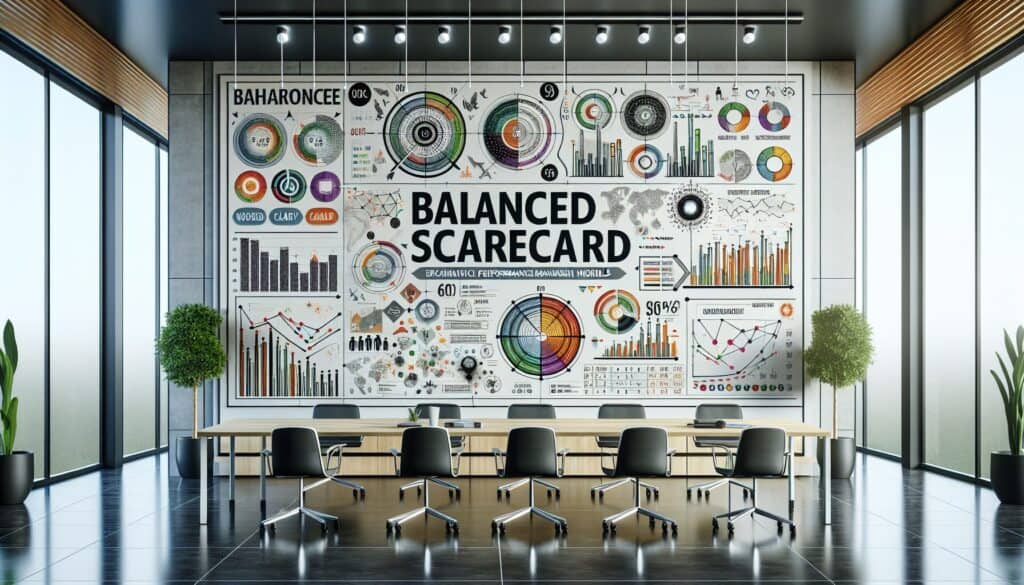
The Balanced Scorecard methodology is widely applicable across various industries, including manufacturing, healthcare, technology, and finance, primarily utilized during strategic planning, performance management, and operational improvement initiatives. Organizations can implement the Balanced Scorecard during the early phases of strategy development or throughout execution to ensure alignment between day-to-day activities and long-term strategic objectives. Typically, the process is initiated by senior management or strategy teams, with active participation from cross-functional teams, including departmental leaders, finance, operations, and human resources. This collaborative approach fosters a culture of accountability and shared vision across different levels of the organization. By translating strategic goals into specific performance metrics, the Balanced Scorecard enables organizations to monitor progress effectively, facilitating timely adjustments based on empirical performance data. Examples of applications include setting customer satisfaction targets in retail, enhancing operational efficiency in manufacturing through process optimization, or increasing employee engagement levels in service-oriented firms. The method generates a comprehensive view of performance, helping to bridge the gap between financial outcomes and operational drivers, which is particularly useful in achieving sustainable growth. It also enhances communication regarding strategy within organizations, breaking down silos by aligning departmental objectives with broader business goals, thereby encouraging collaboration and integrated thinking to enhance overall performance.

이 방법론의 주요 단계

  1. 조직의 비전과 사명을 정의하십시오.
  2. 네 가지 관점 각각에서 전략적 목표를 파악하십시오.
  3. 각 목표 대비 성과를 평가하기 위한 구체적인 측정 기준을 개발하십시오.
  4. 원하는 결과를 달성하기 위해 각 측정 항목에 대한 목표를 설정하십시오.
  5. 전략적 목표를 지원하기 위해 계획과 실행 계획을 조정합니다.
  6. 성과 피드백을 바탕으로 측정 지표와 목표를 정기적으로 검토하고 조정합니다.
  7. 조직의 모든 계층에 걸쳐 균형성과표(Balanced Scorecard)를 전달하고 그 취지를 일치시키십시오.

프로 팁

  • 변화하는 시장 상황과 전략적 목표를 반영하여 관련성을 유지하기 위해 성과 지표를 정기적으로 업데이트하십시오.
  • 직원과 고객의 정성적 피드백을 정량적 지표와 함께 통합하여 성과 평가를 더욱 풍부하게 하십시오.
  • 다양한 관점 간의 상관관계를 파악하기 위해 고급 분석 도구를 활용하여 의사결정에 필요한 통찰력을 강화하십시오.

여러 방법론을 읽고 비교하기 위해, 저희는 다음을 추천합니다

> 광범위한 방법론 저장소  <
400가지가 넘는 다른 방법론들과 함께.

이 방법론에 대한 의견이나 추가 정보는 언제든지 환영합니다. 아래 댓글란 ↓ , 엔지니어링 관련 아이디어나 링크도 마찬가지입니다.

역사적 맥락

1974
1974
1978
1980
1980
1980
1980
1972
1974
1975-06-01
1980
1980
1980
1980
1980

(날짜를 알 수 없거나 관련이 없는 경우, 예를 들어 "유체역학"의 경우, 주목할 만한 등장 시기를 대략적으로 추정하여 제공합니다.)

관련 게시물

고화질 이미지 및 다운로드는 등록된 회원에게만 100% 무료로 제공됩니다.

> 로그인 <