Product Design, Manufacturing & Innovation Resources

브랜드 감사

브랜드 감사

브랜드 감사

목적:

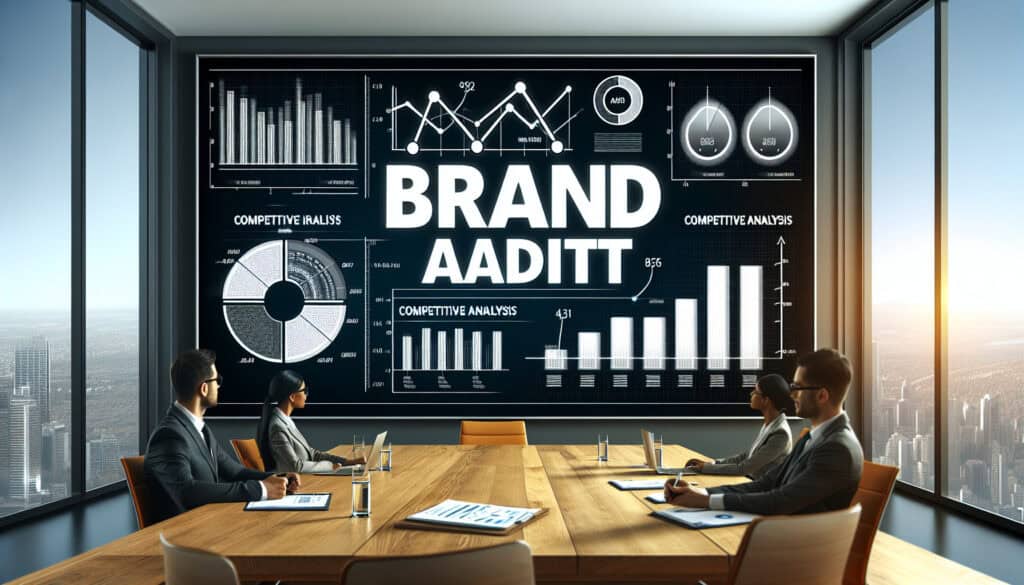
브랜드의 현재 시장 위치를 ​​경쟁사 대비 자세히 분석하고 그 효과를 검토합니다.

사용 방법:

장점

단점

카테고리:

다음과 같은 경우에 가장 적합합니다:

A brand audit often unfolds within various contexts, including product launches, mergers and acquisitions, and market expansions across sectors such as consumer goods, technology, healthcare, and automotive. The methodology encompasses internal assessments, such as employee feedback and stakeholder interviews, alongside external evaluations involving customer surveys, competitor analysis, and social media monitoring. It can typically be initiated by marketing teams, brand managers, or senior executives who often collaborate with cross-functional teams comprising product development, sales, and customer service representatives. In the development phase, conducting a brand audit supports alignment between the brand identity and customer expectations, suitably informing design and engineering processes to enhance user experience. For instance, in the tech industry, product design teams might utilize audit findings to refine 사용자 인터페이스 elements based on customer sentiment while ensuring that brand values are seamlessly integrated into the product’s functionality. The output of a brand audit can lead to actionable strategies, such as rebranding efforts, product redesigns, or adjusted marketing approaches, aimed at elevating brand equity and improving customer loyalty. In industries like healthcare, where trust is paramount, an audit might reveal the need for greater transparency in branding, prompting initiatives that enhance communication and solidify patient-provider relationships. As competitive landscapes evolve, periodic audits become crucial, enabling organizations to proactively adapt brands to shifting consumer desires and market conditions without losing sight of their core identity.

이 방법론의 주요 단계

  1. 브랜드 정체성과 메시지를 현재 시장 트렌드에 맞춰 평가하십시오.
  2. 설문조사와 피드백을 통해 고객 인식과 브랜드 평판을 분석합니다.
  3. 경쟁사의 브랜드 전략 및 포지셔닝을 평가하십시오.
  4. 매출, 시장 점유율, 고객 참여도 등의 성과 지표를 검토하십시오.
  5. SWOT 분석을 통해 브랜드의 강점, 약점, 기회 및 위협 요소를 파악하십시오.
  6. 향후 전략을 위해 비즈니스 목표에 부합하는 브랜드 목표를 수립하십시오.
  7. 브랜드와의 상호작용을 위한 주요 접점과 고객 여정을 개략적으로 설명하십시오.
  8. 분석 결과를 바탕으로 브랜드 전략을 강화하기 위한 실행 가능한 권장 사항을 개발하십시오.

프로 팁

  • 데이터 분석을 활용하여 고객 정서와 시장 성과를 정량적으로 평가하고, 브랜드 인식 변화를 정확하게 파악하십시오.
  • 경쟁사 벤치마킹을 실시하여 업계 표준 대비 브랜드의 위치를 ​​파악하고 차별화할 수 있는 고유한 기회를 찾아내십시오.
  • 이해관계자 인터뷰를 활용하여 조직 내 브랜드 정렬 및 전략 이해도에 잠재적인 격차가 있음을 드러내는 질적 통찰력을 확보하십시오.

여러 방법론을 읽고 비교하기 위해, 저희는 다음을 추천합니다

> 광범위한 방법론 저장소  <
400가지가 넘는 다른 방법론들과 함께.

이 방법론에 대한 의견이나 추가 정보는 언제든지 환영합니다. 아래 댓글란 ↓ , 엔지니어링 관련 아이디어나 링크도 마찬가지입니다.

역사적 맥락

1942
1957
1957
1960
1960
1965
1970
1914
1950
1957
1957
1960
1960
1970
1980

(날짜를 알 수 없거나 관련이 없는 경우, 예를 들어 "유체역학"의 경우, 주목할 만한 등장 시기를 대략적으로 추정하여 제공합니다.)

10년차 기념일

고화질 이미지 및 다운로드는 등록된 회원에게만 100% 무료로 제공됩니다.

> 로그인 <