Product Design, Manufacturing & Innovation Resources
» 프로인슐린 처리 및 인슐린 생합성

프로인슐린 처리 및 인슐린 생합성

1967
  • Donald F. Steiner
Researcher studying proinsulin processing in a laboratory for cell biology applications.

(설명을 위한 생성된 이미지입니다)

인슐린 is synthesized in pancreatic beta cells as a single-chain precursor called proinsulin. In the endoplasmic reticulum, proinsulin folds and forms its disulfide bonds. It is then transported to the Golgi apparatus and packaged into secretory granules, where proteases (prohormone convertases PC1/3 and PC2, and carboxypeptidase E) cleave it into mature insulin and a connecting peptide, C-peptide.
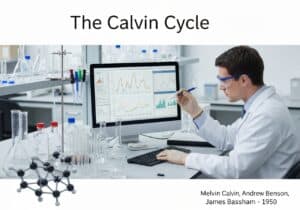
The discovery of proinsulin by Donald F. Steiner in 1967 resolved a key puzzle in insulin biosynthesis. It was known that insulin consisted of two separate polypeptide chains (A and B), but the mechanism for ensuring their coordinated synthesis and correct assembly via disulfide bonds was unclear. Steiner’s research revealed that a single gene codes for a larger, single-chain precursor. This preproinsulin molecule contains a signal peptide at its N-terminus that directs it into the lumen of the endoplasmic reticulum (ER). The signal peptide is quickly cleaved off, leaving proinsulin. Proinsulin consists of the B chain, a connecting C-peptide, and the A chain, in that order (B-C-A). Within the ER, the molecule folds into its proper conformation, guided by chaperones, which brings the cysteine residues into proximity, allowing the three crucial disulfide bonds to form correctly. This folded proinsulin is then transported to the Golgi complex and packaged into immature clathrin-coated secretory vesicles. As these vesicles mature into dense-core secretory granules, the internal environment becomes more acidic, activating specific endoproteases. Prohormone convertase 1/3 (PC1/3) makes the initial cut at the B-chain/C-peptide junction, and prohormone convertase 2 (PC2) cuts at the C-peptide/A-chain junction. Finally, carboxypeptidase E (CPE) trims off basic amino acid residues at the new C-termini, resulting in the final, mature two-chain insulin molecule and the free C-peptide. Both are stored in these granules and co-secreted in equimolar amounts in response to high blood glucose.

UNESCO Nomenclature: 2403
세포 생물학

유형

생물학적 과정

분열

상당한

용법

널리 사용됨

전구체

  • discovery of the protein synthesis pathway (ribosomes, er, golgi)
  • determination of insulin’s two-chain structure by sanger
  • development of pulse-chase labeling techniques using radioactive amino acids
  • identification of proteolytic enzymes (proteases)

응용 프로그램

  • measurement of c-peptide levels in blood to assess endogenous insulin production
  • understanding of congenital hyperproinsulinemia, a genetic disorder of proinsulin processing
  • development of single-chain insulin analogs for improved stability
  • research into protein folding and trafficking within the cell
  • providing a model system for the biosynthesis of other peptide hormones

특허:

NA

잠재적 혁신 아이디어

현재 하루 4만 건이 넘는 봇 트래픽을 차단하기 위해 이 콘텐츠는 커뮤니티 회원만 이용할 수 있습니다.
> 로그인 < 또는 >등록 < 이 콘텐츠를 비롯한 모든 제한된 콘텐츠와 도구는 (100% 무료로) 이용할 수 있습니다.

Related to: proinsulin, c-peptide, biosynthesis, beta cell, endoplasmic reticulum, golgi apparatus, secretory granule, protein folding, post-translational modification, donald steiner.

역사적 맥락

프로인슐린 처리 및 인슐린 생합성

1950
1954
1960
1967
1970
1975
1977
1950
1951
1958
1960
1970
1973
1975
1979

(날짜를 알 수 없거나 관련이 없는 경우, 예를 들어 "유체역학"의 경우, 주목할 만한 등장 시기를 대략적으로 추정하여 제공합니다.)

관련 발명, 혁신 및 기술 원칙

고화질 이미지 및 다운로드는 등록된 회원에게만 100% 무료로 제공됩니다.

> 로그인 <