압력 스윙 흡착(PSA) 기술이 99% 이상의 가스 정화율을 자랑한다는 사실을 알고 계셨나요? 이 기술은 증류가 불가능한 여러 분야에서 핵심적인 역할을 합니다. 수소 회수, 이산화탄소 제거, 공기 정화 등에 활용됩니다. 제올라이트나 활성탄 같은 물질을 사용하는 PSA는 압력 변화에 따라 가스 흡착과 탈착을 반복하며 탁월한 정화 효율을 제공합니다.
PSA는 산업계에서 더욱 친환경적이고 저렴한 가스 분리 방법을 모색함에 따라 두각을 나타내고 있습니다. 식품 포장에 필요한 질소를 생산하거나 의료 분야에 필요한 순수 산소를 얻는 데 매우 효과적입니다. 발전소 배출가스 처리부터 천연가스 가공에 이르기까지 PSA의 광범위한 사용은 그 중요성을 보여줍니다.
핵심 요약
- 압력 스윙 흡착(PSA)은 산업 전반에 걸쳐 널리 사용되는 효율적인 가스 분리 기술입니다.
- PSA 기술은 99% 이상의 가스 순도를 달성할 수 있습니다.
- 이 방식은 에너지 효율이 매우 높아 증류와 같은 전통적인 방식보다 많은 경우 더 효율적입니다.
- PSA 장치는 소형이거나 휴대 가능하며 기존 시스템에 쉽게 통합할 수 있습니다.
- 이 기술은 다목적이며, 이산화탄소 제거, 질소 생성, 산소 생산과 같은 다양한 요구 사항을 충족합니다.
다음 섹션에서는 압력 스윙 흡착(PSA)에 대해 더 자세히 살펴보겠습니다. PSA의 산업적 용도, 장점, 그리고 활용도를 높이는 새로운 버전에 대해 알아보실 수 있습니다.
압력 스윙 흡착 이해하기
압력 스윙 흡착(PSA) 공정은 다양한 산업 분야에서 가스를 분리하는 데 사용됩니다. 이 공정은 압력을 가하면 가스를 흡착하는 특수 소재를 사용하기 때문에 강력하고 활용도가 높은 도구입니다.
작동 원리
PSA는 고압에서 특정 물질에 기체를 흡착시킨 후 압력을 낮춰 탈착시키는 반복적인 사이클로 작동합니다. 이러한 방식으로 다양한 기체를 효율적으로 분리할 수 있습니다.
PSA는 휴대용 기기부터 산업 플랜트에 이르기까지 다양한 규모에서 거의 순수한 질소와 산소를 얻는 데 매우 효과적입니다.
주요 구성 요소
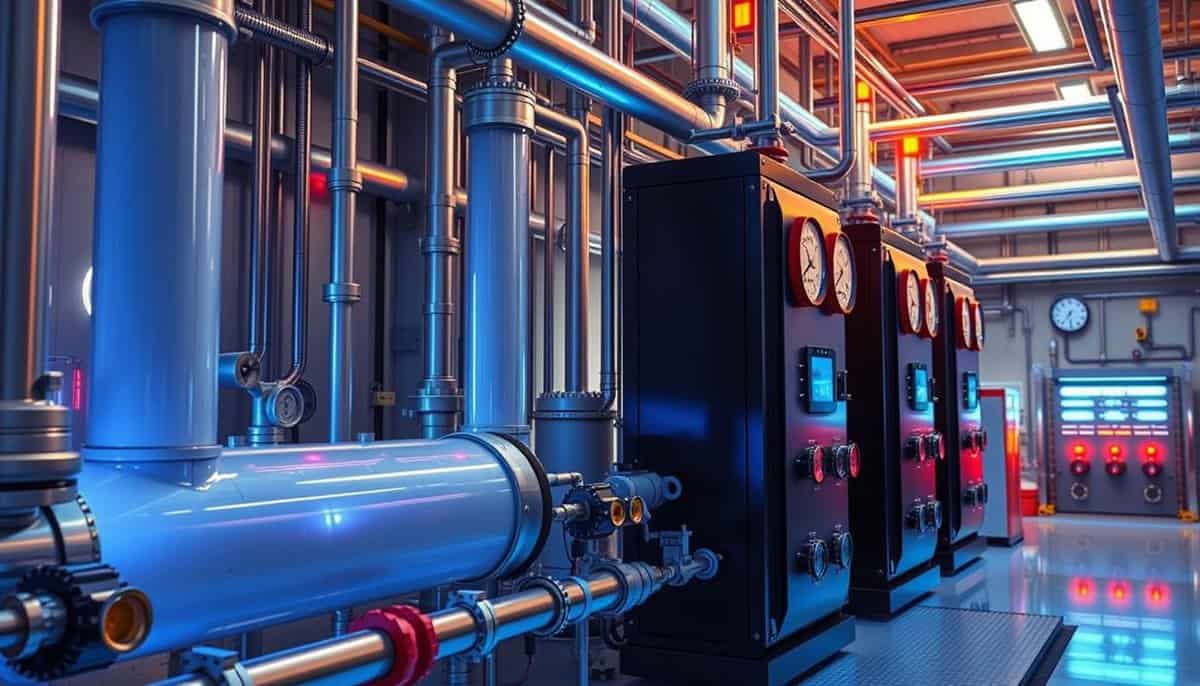
PSA 시스템은 흡착 용기 및 제어 시스템과 같은 핵심 부품으로 구성됩니다. 이러한 부품들은 함께 작동하여 가스를 효과적으로 분리합니다. 질소 생산을 위한 일반적인 시스템에는 공기 압축기와 필터가 포함됩니다.
- 공기 압축기
- 건조기
- 불순물과 먼지를 제거하는 필터
- 공기 수신기
- 질소 발생기
- 질소 수신기
중요한 특징 중 하나는 공기 계수입니다. 이는 질소를 생산하는 데 필요한 압축 공기의 양을 나타냅니다. 공기 계수가 낮을수록 시스템 효율이 높고 운영 비용이 절감됩니다. 이 장비는 순수 질소를 지속적으로 생산하는 사이클을 거칩니다.
PSA와 극저온 증류 비교
PSA는 다음과 같은 장점이 있습니다. 극저온 증류법은 상온에서 작동하기 때문에 에너지를 많이 절약할 수 있습니다. 또한 극저온 증류법보다 저렴하고 간단하며 시작 속도도 빠릅니다.
| 매개변수 | PSA 기술 | 극저온 증류 |
|---|---|---|
| 작동 온도 | 근주변 | 매우 낮음 |
| 에너지 효율 | 높은 | 보통의 |
| 초기 설치 비용 | 낮음~중간 | 높은 |
| 시스템 복잡성 | 중간 | 높은 |
| 시동 속도 | 빠른 (분/시간) | 느림 (시간/일) |
산업 공정에서의 PSA 적용
압력 스윙 흡착(PSA)은 많은 산업 분야에서 가스를 효율적으로 분리하는 데 핵심적인 기술입니다. 이 기술은 1960년대에 에어 리퀴드(Air Liquide)와 엑손(Exxon)에 의해 개발되었습니다. 주요 특징은 다음과 같습니다. 직업 이 시스템의 목적은 수소 회수, 질소 생산, 산소 생산에 필요한 순수 가스를 만드는 것입니다. 이 시스템은 사이클, 자동 밸브, 가스 저장 장치를 사용하여 효율적으로 작동하고 가스를 회수합니다.
린데는 PSA(압축강화합물) 기술 활용 분야의 선두 기업 중 하나로, 전 세계에 500개 이상의 플랜트를 구축했습니다. 이 플랜트들은 규모가 수백 Nm³/h에서 40만 Nm³/h가 넘는 용량까지 다양합니다.
수소 회수
수소 회수 PSA는 특히 정유 공장과 석유화학 산업에서 널리 사용됩니다. 가스 회사들은 최대 99.9999 mol-%의 고순도 수소를 생산하는 장치를 제공합니다. 이러한 고순도는 분해 공정, 악취 제거, 황 제거에 필수적입니다. 이 시스템은 10~40 bar의 압력에서 작동하며, 높은 효율성과 신뢰성을 위해 최소 4개의 흡착 용기를 갖추고 있습니다.
PSA 공정은 작동 중 흡착, 압력 해제, 재생 및 재가압의 여러 단계를 거칩니다. 이러한 과정을 통해 높은 회수율을 달성하고 시스템 효율을 향상시킵니다.
질소 생성
PSA는 식품 포장 및 전자 제품 분야에 필요한 질소를 생산하는 데에도 사용됩니다. 99.9% 이상의 매우 순수한 질소를 생산할 수 있는데, 이는 식품과 전자 제품의 안전성과 수명 연장에 매우 중요합니다. 이 기술은 제올라이트와 같은 특수 흡착제를 사용하여 공기 중에서 질소를 효과적으로 제거합니다. 이러한 시스템은 지속적인 사용과 높은 신뢰성을 보장하며, 안정적인 질소 공급을 가능하게 합니다.
산소 생산
PSA를 이용한 산소 생산은 의료용 산소 치료 및 폐수 처리와 같은 활동에 필수적입니다. 이 산소 시스템은 95% 이상의 순도를 달성하여 엄격한 의료 및 환경 기준을 충족할 수 있습니다. 흡착 및 탈착 단계 간의 빠른 순환 덕분에 이 기술은 지속적이고 안정적인 산소 공급이 필요한 곳에 이상적입니다.
PSA 기술은 고순도 가스를 얻기 위한 유연하고 확장 가능한 선택지입니다. 이 기술은 다양한 산업 활동에서 중요한 역할을 합니다.
Benefits of Using Pressure Swing Adsorption
Pressure Swing Adsorption (PSA) technology is gaining ground in industrial gas separation. It’s loved for its efficiency, affordability, and ability to scale up or down. These traits make it a standout choice for many industries.

Scalability for Various Applications
PSA systems can grow with your needs. They fit everything from small oxygen machines to big gas plants. Its design can change to meet different requirements. This makes it perfect for many fields like healthcare, food, and environmental work.
Whether it’s for making hydrogen, nitrogen, or oxygen, PSA can do it. Its ability to adjust makes it vital for various industries. Plus, it supports business growth in these sectors by being so adaptable.
| PSA System | Operating Pressure | Suitability | 전력 소비량 |
|---|---|---|---|
| Pressure Swing Adsorption (PSA) | 4.5 – 7 bar | Medical Oxygen, Industrial Applications | 보통의 |
| Vacuum Pressure Swing Adsorption (VPSA) | 1 bar | Larger Industrial Applications | Lower at larger scales |
| Vacuum Swing Adsorption (VSA) | 0.7 bar | Specialized Industrial Processes | 낮은 |
Adsorbent Materials in PSA Systems
Adsorbent materials are key to how well Pressure Swing Adsorption (PSA) systems work. They help separate gases. The top three materials used in PSA are zeolites, activated carbon, and molecular sieves. Each type is good for different jobs in gas separation.
Zeolites
Zeolites are minerals with tiny pores and are great at picking out certain gases. They work well for making oxygen from air. Because zeolites have pores that are all the same size, they can catch gas molecules very precisely. This means they can create very pure oxygen or hydrogen.
Activated Carbon
Activated carbon can grab onto a lot of hydrocarbons and smells. That’s why it’s used a lot in PSA systems for industries. It has a complex pore structure that gives it a big surface area for catching gases.
Its ability to work in many different settings makes it a go-to choice for cleaning gases.
Molecular Sieves
Molecular sieves are special because they can pick out gas molecules by size. This makes them super important for making pure oxygen and hydrogen.
Also, these systems are way smaller than old ones, sometimes 3-5 times.
| 재산 | Zeolites | Activated Carbon | Molecular Sieves |
|---|---|---|---|
| Main Use | 산소 생산 | Hydrocarbon Removal | High Purity Gas Production |
| 능률 | High (up to 99.9999%) | Long-lasting (over 10 years) | 80-90% Hydrogen Recovery |
| 형질 | Microporous | High Surface Area | Precise Molecular Targeting |
Pressure Swing Adsorption in Environmental Applications
Pressure Swing Adsorption (PSA) is changing how we manage our environment. It’s key for removing carbon dioxide, purifying biogas, and using landfill gas. More than 325 companies, including big names like Linde, Exxon Mobil, and Air Liquide, are making strides with PSA. This tech is crucial for eco-friendly industrial work.

Carbon Dioxide Removal
Getting rid of CO2 is vital for fighting industrial impacts on 기후 변화. PSA is a top method for grabbing and separating carbon dioxide from gases. Companies such as Linde and Shell have created advanced PSA systems for this. These systems cut down greenhouse gases, helping industries meet environmental rules.
Biogas Purification
PSA technology also cleans biogas, boosting its energy use. It removes bad stuff like carbon dioxide, hydrogen sulfide, and moisture. This clean biogas becomes a renewable energy source, cutting down on fossil fuel need. PSA systems are flexible, making them great for different sized projects.
Landfill Gas Utilization
Using landfill gas is another key use of PSA technology. It turns waste gas into quality fuel. This efficient method reduces pollution and supports 재활용, making valuable energy from landfill gas.
PSA is becoming more important in eco work. As businesses seek to be more eco-friendly and follow rules, PSA is a path to a greener industry worldwide.
Advanced Variations of PSA Technology
For over 60 years, Pressure Swing Adsorption (PSA) technology has grown. It now meets many industrial needs. These include making biofuels, capturing carbon, and purifying air. Its ability to adapt has ~ 주도의 to more efficient and effective ways to use it.

Double Stage PSA
Double Stage PSA is a big step forward. It uses two steps to make gases very pure. This purity is essential for things like medical oxygen or very clean nitrogen. By managing how the adsorbent gets full, it yields more product and cuts down costs.
Rapid PSA
Rapid PSA responds to the need for speed and portability. It’s great for urgent needs like in medical emergencies or for portable oxygen machines. By speeding up the pressure changes and cleaning process, it delivers fast without losing quality or purity.
Vacuum Swing Adsorption (VSA)
Vacuum Swing Adsorption (VSA) is different because it works in a vacuum. This method is more efficient and uses less energy. It’s perfect for tasks like removing CO2 or cleaning biogas, where saving energy matters. Using VSA means getting the job done in a green and cost-effective way.
By using these advanced PSA types—Double Stage, Rapid, and Vacuum Swing—industries can work better and more efficiently. These upgrades help PSA remain a key method for separating gases, making it more sustainable and financially wise.
Technical Challenges and Solutions in PSA Implementation
Pressure Swing Adsorption (PSA) technology helps separate gases innovatively. Yet, it faces challenges like high energy use, constant maintenance, and the need for smart optimization.
Optimization Techniques
Effective optimization methods are key to solving PSA challenges. The 코로나 19 crisis in India showed the urgent need for efficient PSA systems in healthcare. The setup of over 501 PSA oxygen plants in public facilities highlights the potential of well-managed systems.
- Enhanced system designs to support operational efficiency.
- Continuous monitoring and predictive maintenance.
- Leveraging advanced algorithms for 프로세스 제어.
Optimization not only improves energy efficiency but also extends PSA systems’ life. It ensures their reliability in important areas like industry and healthcare.
Future Trends and Innovations in PSA
The future of PSA technology looks bright, with big changes on the way in gas separation. We can look forward to better materials, pairing with renewable energy, and smarter control systems. The PSA market was worth USD 5.2 billion in 2022. It’s expected to grow to USD 8.1 billion by 2030. That’s a growth rate of 6.0% each year from 2024 to 2030.
Materials like zeolites, activated carbon, and molecular sieves are getting better. They’re used in gas separation, making the process more selective and efficient. This is great news for sectors that need pure gases, such as healthcare, energy, and manufacturing.
관련 자료 및 기술
- Temperature Swing Adsorption (TSA): a method similar to PSA that uses temperature changes to regenerate the adsorbent material.
- Vacuum Swing Adsorption (VSA): a variation of PSA where vacuum is used to aid in the regeneration of the adsorbent, often used for oxygen production.
- Membrane separation: utilizes selective permeability to separate gases, often used in conjunction with PSA for enhanced efficiency.
- 극저온 증류: a method of gas separation based on differences in boiling points, often used for the production of high-purity gases.
- Chemical absorption: involves the use of liquid solvents to selectively absorb specific gases, often used for 탄소 포집.
- Molecular sieves: materials with pores of uniform size used in PSA to selectively adsorb specific molecules.
- Zeolites: a type of molecular sieve commonly used in PSA for their high surface area and selective adsorption properties.
- Metal-Organic Frameworks (MOFs): porous materials that can be tailored for specific adsorption applications, offering high selectivity and capacity.
자주 묻는 질문
압력 스윙 흡착(PSA)이란 무엇인가요?
압력 스윙 흡착(PSA)은 기체를 분리하는 한 가지 방법입니다. 이 방법은 압력과 제올라이트, 활성탄과 같은 물질을 이용합니다. 분자 구조적 특성에 따라 혼합물에서 기체를 선택적으로 분리해냅니다.
PSA의 작동 원리는 무엇입니까?
PSA는 고압에서 기체를 흡착한 후 저압에서 방출하는 방식으로 작동합니다. 이 과정에서 흡착 물질이 핵심적인 역할을 합니다.
PSA 시스템의 핵심 구성 요소는 무엇입니까?
PSA 시스템은 흡착 용기와 전환 밸브를 포함합니다. 또한 압력 구성 및 제어 시스템도 포함합니다.
PSA는 극저온 증류법과 어떻게 다른가요?
PSA는 극저온 증류처럼 저온을 필요로 하지 않습니다. 거의 상온에서 작동하므로 에너지를 절약하고 여러 이점을 제공합니다.
PSA의 산업적 응용 분야는 무엇인가요?
PSA는 수소 회수 및 질소 생성에 사용됩니다. 또한 의료용 산소 생산 및 폐수 처리 등에도 사용됩니다.
PSA는 어떤 혜택을 제공하나요?
PSA 시스템은 에너지와 비용을 절감해 줍니다. 또한 확장성이 뛰어나 소규모 시설부터 대규모 시설까지 모두에 적합합니다.
PSA 시스템에는 어떤 흡착제가 사용되나요?
PSA의 주요 재료로는 제올라이트와 활성탄이 있습니다. 제올라이트는 질소와 산소를 분리하는 데 효과적이며, 활성탄은 탄화수소와 냄새를 제거합니다.
PSA 기술의 고급 변형에는 어떤 것들이 있나요?
새로운 PSA 유형에는 더 높은 순도를 위한 이중 단계 PSA와 빠른 사이클을 위한 고속 PSA가 있습니다. 또한 진공 스윙 흡착(VSA) 방식도 있습니다. VSA는 진공을 이용하여 효율을 높이고 에너지를 절약합니다.
가스 정제 및 분리에 관한 외부 링크
국제 표준
(링크 위에 마우스를 올려놓으면 콘텐츠에 대한 설명을 볼 수 있습니다.)
사용된 용어집
Metal-Organic Framework (MOF): 금속 이온 또는 클러스터가 유기 리간드와 배위 결합하여 네트워크 구조를 형성하는 다공성 결정질 물질. 이러한 물질은 높은 표면적과 조절 가능한 특성 덕분에 가스 저장, 분리 및 촉매 작용에 사용됩니다.
Molecular Sieve: 크기와 모양에 따라 분자를 선택적으로 흡착하는 다공성 물질로, 작은 분자는 통과시키고 큰 분자는 걸러내는 특성을 가지며, 가스 분리, 건조 및 정제 공정에 흔히 사용됩니다.
Pressure Swing Adsorption (PSA): 압력 변화를 이용하여 특정 기체를 고체 흡착제에 선택적으로 흡착시키는 분리 공정으로, 기체 혼합물의 정제 또는 분리가 가능하며, 산소 및 수소 생산에 흔히 사용됩니다.