真空成形は金型コストを最大50%削減できることをご存知ですか?射出成形に比べてコスト効率に優れています。また、試作品の製作も迅速で、カスタマイズも容易です。これらの利点から、真空成形は多くの企業で好まれています。 カスタムプラスチック製造 多くの分野で。
ノースカロライナ州、サウスカロライナ州、メリーランド州、ジョージア州、ペンシルベニア州などの地域では、企業は真空成形を多用しています。複雑な形状のものから、あらゆるものまで製造しています。 プラスチックシートの製造 医療機器から大型自動車パネルまで。このプロセスでは 熱可塑性樹脂 厚み、色、仕上げが多様なシートが用意されている。これは、製品設計における柔軟性の高さを示している。
真空成形の詳細な用途、基本的な手順、そして利点についてご案内します。お客様のカスタムプラスチック製造ニーズに最適です。
主なポイント
- 真空成形は、射出成形に比べて金型コストを最大50%削減できる。
- 熱可塑性シートは、さまざまな用途に対応できるよう、厚さ、色、仕上げが多種多様です。
- 真空成形は、包装、自動車、医療などの業界で幅広く利用されている。
- 少量から中量の生産に最適で、迅速なプロトタイピングが可能です。
真空成形入門
真空成形は、熱可塑性シートを成形する一般的で効率的な方法です。大型自動車部品や包装材、消費財の製造によく用いられます。このプロセスは、年間250~1000個の製品を製造するのに最適です。
真空成形とは何ですか?
真空成形は熱成形の一部です。このプロセスでは、加熱されたプラスチックシートを金型の上に配置し、その後真空にします。 プレッシャー shapes the material. As the mold can be in a soft easy-to-machine material -like wood-, this method is affordable and quick, especially when making tools.
真空成形プロセスの概要
真空成形プロセスにはいくつかのステップがあります。まず、熱可塑性シートをフレームに固定します。次に、シートが柔らかくなるまで加熱します。この際、材料の厚さに応じて、1つまたは2つのヒーターを使用する場合があります。
加熱後、柔らかいシートを型に被せます。真空圧によって材料が型に押し付けられ、正確な形状に成形されます。その後、必要に応じて、スプレー付きファンで最大30%まで急速に冷却できます。
主要コンポーネントおよび機器
真空成形には、いくつかの重要な装置が必要です。
- クランプフレームシートを所定の位置に固定します。
- ヒーターセラミックヒーターは準備に約15分かかります。ツインクォーツヒーターは、高温を必要とする材料に最適です。
- 真空 ポンプこのポンプは強力な吸引力を生み出し、材料をしっかりと成形します。
- 冷却システム金型の温度を制御して製品を適切に冷却します。これは特定の製品にとって重要です。 プラスチック.
最高品質の製品と完璧なディテールを実現するには、適切な機器を選ぶことが重要です。
材料と設計上の考慮事項
真空成形について話すとき、適切な 真空成形材料 そして設計上の考慮事項。厚みや表面仕上げが異なる熱可塑性シートを適切に選択することが不可欠です。最終製品の外観と機能に大きな影響を与えるからです。
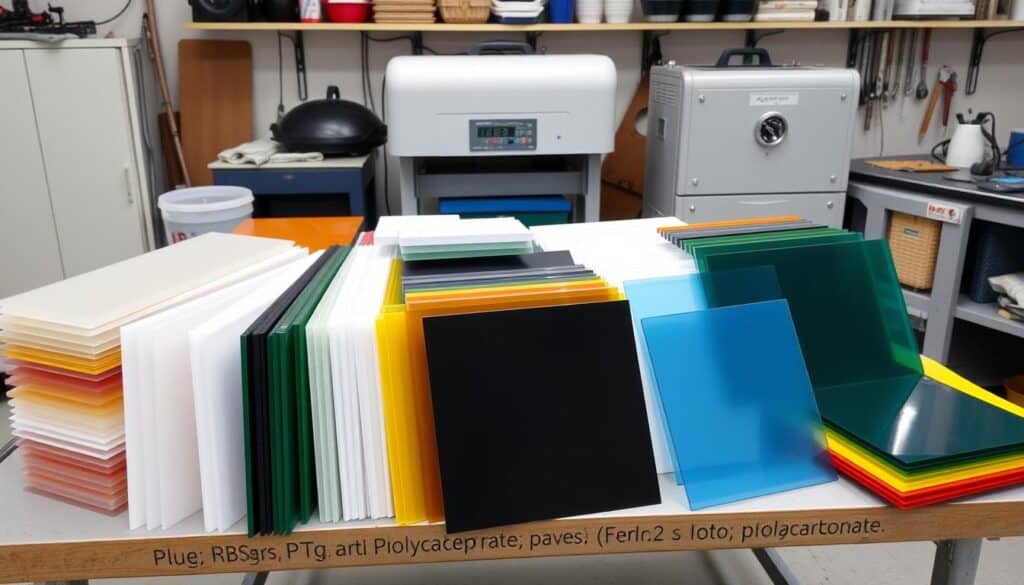
設計段階では、いくつかの重要な要素を考慮することが重要です。これらの要素は、金型に材料が適切に充填され、プラスチックが形状を維持するのに役立ちます。設計に抜き勾配を加えることも、そのような要素の一つです。高さ2cmごとにわずか1度の抜き勾配を加えるだけで、大きな違いが生まれます。これにより、成形されたシートから金型を取り外しやすくなります。
設計においては、90度を超える角度は製造上の問題を引き起こす可能性があるため、鋭角を避けるべきです。金型からの取り出しを容易にするためには、角や縁を丸めるのが良いでしょう。また、3Dプリントされた金型の質感は最終的な表面に影響を与えます。3Dプリントに0.1mmの薄い層を使用すると、より滑らかな表面が得られ、細部を再現するのに最適です。
金型に空気穴を設けることで、真空成形におけるディテールの再現性が向上します。また、幅の広い部品は、高さのある部品よりも加工しやすいことも指摘されています。食品保存容器や医療機器部品などに適した熱可塑性シート(高密度ポリエチレン(HDPE)など)の選択は、プロジェクトのニーズによって異なります。これらの選択は、プロジェクトのコスト、耐久性、外観に影響を与えます。
真空成形は、年間250~300個の生産に最適です。プラスチック射出成形よりもコスト効率が良く、はるかに安価です。さらに、真空成形用金型の製作時間も短縮できるため、納期も短縮できます。3Dプリンターを使用して高精度な金型を製作することで、このスピードはさらに向上します。
これは、1970年代から手頃な価格でプロトタイプを作成する方法であり、創造的なデザイン実験を可能にしてきました。このプロセスにより、予算を大幅に超えることなく、顧客にカスタマイズされたソリューションを提供することも可能になります。
しかし、この方法は薄肉で形状が単純な部品に最適です。深い凹面を持つ部品の成形は依然として困難です。真空成形は少量生産には費用対効果が高いものの、大量生産の場合は他のプラスチック製造方法の方が安価になる可能性があります。
Vacuum Forming Process Explained
The vacuum forming process is a way to mold 熱可塑性樹脂. It follows specific steps to ensure products meet quality standards. We’ll look at the key stages in this workflow.
Step-by-Step Process
This process includes heating the plastic, shaping it, and then finishing the product. Each step helps shape and refine the product. This ensures it is made precisely and works well.
Heating and Molding
First, plastic sheets are warmed until they are soft. This is crucial for shaping them correctly. Then, the soft sheet is placed over a mold. A vacuum sucks the plastic against the mold. This step focuses on controlling the plastic’s temperature and the mold’s shape for the best results.
Trimming and Finishing
After cooling, the product is trimmed and finished. This means cutting away extra plastic and smoothing edges. Good CNC trimming and finishing make the product look better and work better.
In short, every step from heating the plastic to the finishing touches is key. This process creates custom plastic pieces that are high-quality.
Benefits and Drawbacks of Vacuum Forming
Choosing the right manufacturing method is vital for businesses. Vacuum forming is unique compared to methods like injection molding. It has both pros and cons.
Advantages of Vacuum Forming
Vacuum forming is cost-effective, especially for small to medium runs. Tooling costs are much lower than for injection molding. This helps businesses save on start-up expenses.
It’s also quick for big parts. Tooling for vacuum forming takes half the time compared to injection molding. Quick production means faster delivery for prototypes and small batches. Vacuum forming is versatile too, suitable for various materials and designs.

It works well for consumer goods, car parts, and packaging.
Disadvantages of Vacuum Forming
Vacuum forming has its limitations too. It fits best with simple part designs that have small walls. Since it applies low pressure, edges are rounded, not sharp. This matters for components needing precision and intricate details.
Compared to injection molding, vacuum forming suits simpler shapes and prototypes better. For detailed pieces, pressure injection molding is more accurate but also more expensive. Additionally, vacuum forming’s production capacity might be too low for large orders.
| Criteria | 真空成形 | 射出成形 |
|---|---|---|
| Tooling Costs | より低い | Much Higher |
| Production Time | Faster | Slower (for big parts) |
| Complexity | Simpler designs | Intricate designs |
| Material Options | Limited | Wide range |
| Annual Production Capacity | 250-1000 units | 1500+ |
Deciding between vacuum forming and injection molding means looking at product needs, volume, and budget. Talking with a design team can help pick the best method for your project.
Applications of Vacuum Forming
Vacuum forming is used across many industries due to its efficiency and flexibility. In the automotive industry, it helps make big parts cost effective like bumpers, floor mats, and truck beds. These parts can be customized for looks and function, thanks to vacuum forming.
In healthcare, vacuum forming creates device housings and containers that can be sterilized. It works well for products that must stay clean, using materials like HDPE.
Consumer goods also benefit from vacuum forming for its efficiency and cost-effectiveness. Items such as razor packaging, toothbrushes, electronics, and makeup cases are made using this method. It allows for different colors and custom designs at a low cost.
For industrial needs, vacuum forming is key for making strong items like machine containers, crates, signs, and skylights. These products often need materials that resist flames and UV rays, which vacuum forming can handle.
Overall, vacuum forming is crucial for many sectors, including automotive, healthcare, and consumer goods. Its ability to offer affordable, customizable, and versatile solutions makes it a favorite among manufacturers worldwide.
Complementary Readings & Techniques
- Thermoforming: a broader category that includes vacuum forming, focusing on shaping plastic sheets using heat and molds.
- Injection Molding: a manufacturing process for producing parts by injecting molten material into a mold.
- Blow Molding: a method used to create hollow plastic parts, such as bottles and containers.
- Composite Materials: using advanced materials that combine different substances to enhance the properties of the vacuum-formed parts.
- Surface Finishing Techniques: methods such as painting, コーティング, or texturing to improve the aesthetic and functional properties of vacuum-formed products.
よくある質問
真空成形とは何ですか?
真空成形は、プラスチックを成形する方法の一つです。プラスチックを柔らかくなるまで加熱し、その後、真空圧を利用して金型に押し当てて成形します。細部までこだわったカスタムプラスチック製品の製造によく用いられます。
真空成形にはどのような材料が使用されますか?
熱可塑性シートは主に真空成形に使用されます。厚さや表面仕上げは様々です。ABS樹脂、ポリスチレン、ポリカーボネートなどが一般的な材料です。使用する材料によって、製品の外観や品質が左右されます。
真空成形プロセスはどのように機能するのですか?
まず、プラスチックシートを柔らかくなるまで加熱します。次に、型の上に成形します。真空圧によってプラスチックは型の形状に成形されます。その後、プラスチックは冷却され、トリミングされて完成です。
真空成形機の主要構成要素は何ですか?
真空成形機は、シートを保持するフレーム、プラスチックを軟化させるための加熱エレメント、そして高温成形用の金型で構成されています。これらの部品は、プラスチックを正確かつ均一に成形するのに役立ちます。
真空成形の利点は何ですか?
真空成形は、試作品製作において費用対効果が高く、迅速な方法です。設計の柔軟性と短い生産時間を実現できるため、特定の製品において広く採用されています。
真空成形のデメリットは何ですか?
デメリットとしては、使用できる材料の厚さや種類に制限があることが挙げられます。これは、複雑なデザインの強度やディテールに影響を与える可能性があります。デザインによっては、最終的な仕上がりを実現するために追加の工程が必要になる場合もあります。
真空成形はどのような業界で利用されていますか?
多くの産業で真空成形が使用されています。これには自動車、ヘルスケア、消費財などが含まれます。真空成形によって、包装、自動車パネル、 medical device 筐体。設計と製造の柔軟性の高さから選ばれています。
真空成形において重要な設計上の考慮事項は何ですか?
重要な設計ポイントとしては、抜き勾配、肉厚、材料選定などが挙げられます。これらは、金型への適切な充填とプラスチックの形状維持を確実にし、反りや欠陥の発生を防ぎます。
真空成形とプラスチック製造に関する外部リンク
国際規格
(リンクにカーソルを合わせると、コンテンツの説明が表示されます)
用語集
Computer Numerically Controlled (CNC): プログラムされたコンピュータソフトウェアを使用して工作機械を制御する製造プロセスであり、材料の切断、フライス加工、穴あけ、彫刻などの作業を正確かつ自動的に行うことを可能にする。