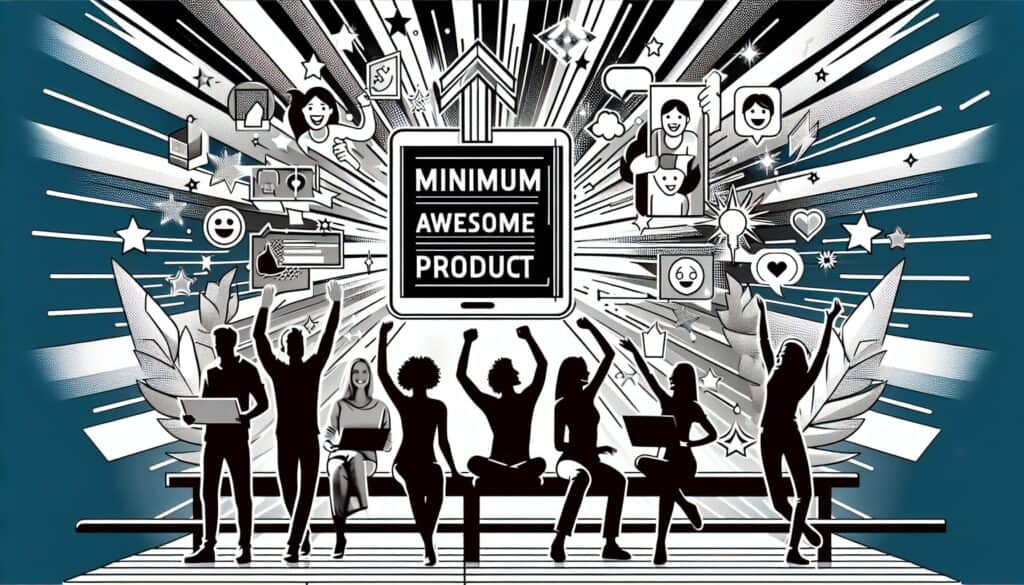
The Minimum Awesome Product (MAP) methodology finds applications in various sectors like technology start-ups, consumer electronics, and e-commerce, where rapid market entry is vital to capture user interest. Typically, it is employed during the initial phases of product development when teams prioritize a select set of features that can provide significant value and delight users. This approach often benefits from collaboration among cross-functional teams that include product managers, designers, engineers, and marketing professionals who contribute to crafting a compelling user experience. The MAP strategy can be particularly effective in industries characterized by high competition and fast-paced innovation cycles, such as mobile app development or wearable technology, where first impressions significantly impact user adoption rates. Initiatives may be sparked by innovative entrepreneurs or established companies looking to launch new products, generating excitement through well-executed marketing campaigns that highlight the unique aspects of the offering. The emphasis on creating a polished experience with minimal features encourages teams to innovate within constraints, leading to the development of strong user loyalty and community support as early users share their experiences, further enhancing the product’s visibility in crowded marketplaces. This approach is increasingly recognized for its ability to set a high bar regarding quality and user engagement from the outset, establishing a foundation for scalable growth as additional features are integrated based on user feedback and evolving market demands.