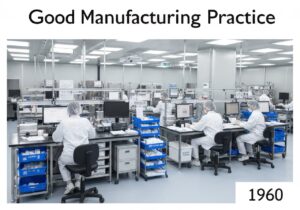
Manufacturing Operations Management (MOM) encompasses a range of applications designed to oversee and improve various facets of manufacturing processes, making it particularly valuable in industries such as automotive, aerospace, consumer goods, pharmaceuticals, and electronics. In the project phase of implementation, it is often initiated by operations managers and involves collaboration among cross-functional teams, including engineering, quality assurance, supply chain management, and IT specialists, ensuring comprehensive integration of manufacturing activities. Typical systems within MOM include Manufacturing Execution Systems (MES), which monitor real-time production data; Quality Management Systems (QMS), that maintain standards throughout production; and Inventory Management Systems, which optimize stock levels and reduce waste. The use of MOM allows organizations to track key performance indicators (KPIs) across processes, facilitating data-driven decisions that enhance production throughput while minimizing downtime. Continuous improvement methodologies such as Lean Manufacturing and Six Sigma are often aligned with MOM systems, delivered through software solutions that automate data collection and analysis, thereby increasing both efficiency and output quality. Companies employing these methodologies often report significant cost savings, reduced cycle times, and improved employee engagement, driven by a culture of data transparency and operational excellence.