Product Design, Manufacturing & Innovation Resources

フォールトツリー解析(FTA)

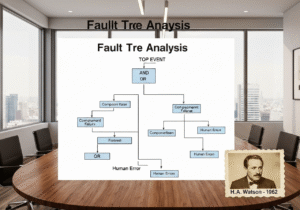
Fault Tree Analysis

フォールトツリー解析(FTA)

客観的:

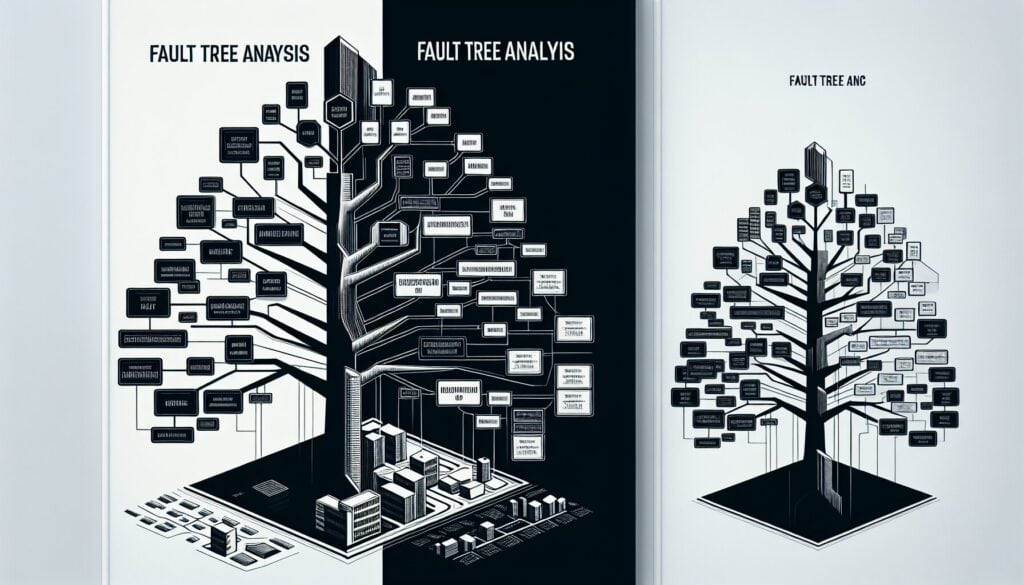
A top-down, deductive failure analysis technique where an undesired state of a system (the “top event” or failure) is analyzed using Boolean logic to combine a series of lower-level events or failures that could cause it.


使用方法:

長所

短所

カテゴリー:

最適な用途:

Fault Tree Analysis (FTA) is particularly advantageous in industries such as aerospace, automotive, nuclear power, and healthcare, where system reliability and safety are paramount. This methodology is effective during the design phase of a project, where engineers and designers can preemptively identify potential failure modes before they manifest in real-world applications. For example, in the aerospace sector, FTA can be employed to analyze the reliability of a flight control system, mapping out all possible failure pathways that could lead to a flight safety incident. In the automotive industry, manufacturers might utilize FTA when developing new vehicle models to ensure that all safety mechanisms are robust against potential failure scenarios. Participants in an FTA typically include system engineers, safety engineers, and reliability analysts, who collaboratively assess both hardware and software components of a system. It is often initiated by stakeholders seeking to improve operational safety and reduce risks associated with system failures. By quantifying the probabilities of basic events, FTA also enables organizations to allocate resources effectively, directing focus to the most significant risk factors that, if addressed, would yield substantial improvements in safety and reliability metrics. The visual representation of the fault tree further facilitates communication among multidisciplinary teams and supports decision-making processes by providing clear pathways that depict how various failures can converge to a top event. This structured approach aligns well with regulatory requirements in industries governed by strict safety standards, ultimately leading to enhanced compliance with safety protocols.

この方法論の主なステップ

  1. システム障害を表す最上位イベントを定義してください。
  2. 最重要事象につながる可能性のある直接的な原因を特定する。
  3. 直接的な原因に寄与する中間的な出来事を描写する。
  4. 論理ゲート(AND、OR)を用いて事象を接続し、関係性を図示する。
  5. 可能な限り、基本的な事象に確率を割り当てる。
  6. 基本事象の確率を用いて、最上位事象の確率を計算します。
  7. フォールトツリーを精査し、完全性と正確性を確認する。

プロのヒント

  • Incorporate Failure Mode Effects Analysis (FMEA) with FTA for a comprehensive understanding of failure modes and their effects on system performance.
  • 基本事象に割り当てられた確率に対して感度分析を行い、どの事象が最上位事象の確率に最も大きな影響を与えるかを特定する。
  • システム設計の進化や運用データの入手状況に応じて、定期的にフォールトツリーを更新し、リスク評価の妥当性と正確性を確保する。

複数の方法論を読み比べて、 私たちは、

> 包括的な方法論リポジトリ  <
400以上の他の手法と併せて。

この方法論に関するご意見や追加情報は、 以下のコメント欄 ↓、エンジニアリング関連のアイデアやリンクも同様です。

歴史的背景

1960
1960
1960
1962
1964
1970
1970
1960
1960
1960
1960
1963
1965-12-21
1970
1970

(日付が不明または関連性がない場合、例えば「流体力学」などでは、その注目すべき出現時期の概算値が提示されます。)

関連記事

フルサイズの画像とダウンロードは、登録会員のみが100%無料で利用できます。