Product Design, Manufacturing & Innovation Resources

A3思考

A3思考

A3思考

客観的:

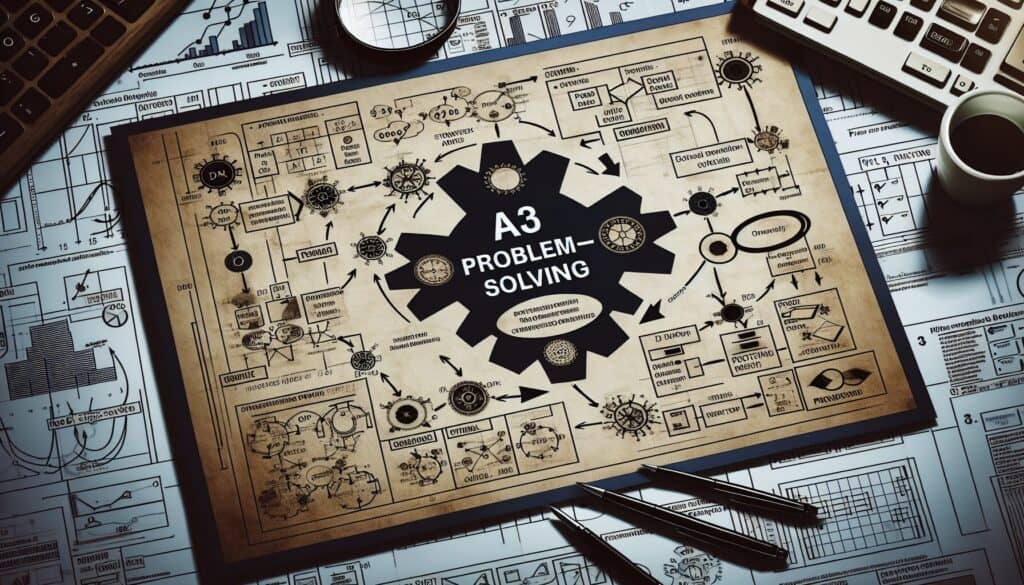
A structured problem-solving and continuous improvement approach, typically documented on a single A3-sized sheet of paper that follows a logical thinking process, thus “A3思考“ (often aligned with PDCA).

使用方法:

長所

短所

カテゴリー:

最適な用途:

A3 Thinking finds its applications across various sectors including manufacturing, healthcare, and software development, particularly within organizations that prioritize Lean methodologies. For instance, in manufacturing, A3 reports can be utilized to tackle production inefficiencies by analyzing workflow bottlenecks and developing targeted solutions, while in healthcare, these reports can help streamline patient care processes by identifying root causes of delays in treatment. The methodology is most effective during the problem identification phase, where teams can collaboratively articulate issues and devise a common understanding before moving into solution development. Participants typically include cross-functional team members, project managers, and stakeholders who bring diverse perspectives to the table, which enhances collaboration and ensures that all aspects of a problem are addressed. The A3 report structure provides a clear framework that guides teams through systematic analysis and encourages the use of data-driven decision-making, which can lead to sustainable improvement initiatives. With ongoing follow-up and results tracking, organizations can establish standard practices that integrate lessons learned, promoting a continuous improvement culture that values learning and adaptability among team members. The clarity of communication inherent in A3 reports serves as a mentoring tool that allows less experienced team members to efficiently grasp problem-solving techniques from their peers, thereby building a stronger foundation for future projects.

この方法論の主なステップ

  1. Define the background and problem statement clearly.
  2. Analyze the current condition with relevant metrics.
  3. Set a specific goal or target condition to achieve.
  4. Conduct root cause analysis using appropriate techniques.
  5. Propose countermeasures based on the root causes identified.
  6. Develop a detailed implementation plan for the countermeasures.
  7. Establish a follow-up process to monitor results.
  8. Document lessons learned and standardize successful practices.

プロのヒント

  • Involve cross-functional teams early to enhance diverse perspectives in problem-solving.
  • Utilize data visualization methods, like flowcharts or graphs, to clarify current conditions and root cause analysis.
  • Establish clear metrics for success at the goal/target condition stage to measure impact effectively post-implementation.

複数の方法論を読み比べて、 私たちは、

> 包括的な方法論リポジトリ  <
400以上の他の手法と併せて。

この方法論に関するご意見や追加情報は、 以下のコメント欄 ↓、エンジニアリング関連のアイデアやリンクも同様です。

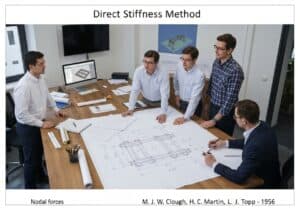
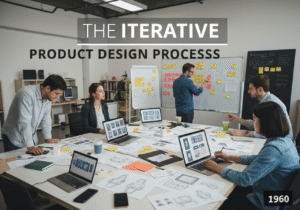
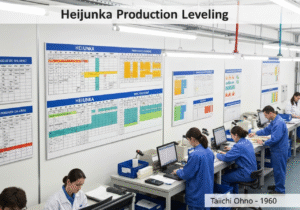
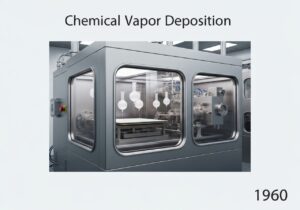
歴史的背景

1950
1955
1956
1960
1960
1960
1960
1950
1950
1955
1958
1960
1960
1960
1960

(日付が不明または関連性がない場合、例えば「流体力学」などでは、その注目すべき出現時期の概算値が提示されます。)

フルサイズの画像とダウンロードは、登録会員のみが100%無料で利用できます。