欧州防火等級(EN 2)
1992
- European Committee for Standardization (CEN)
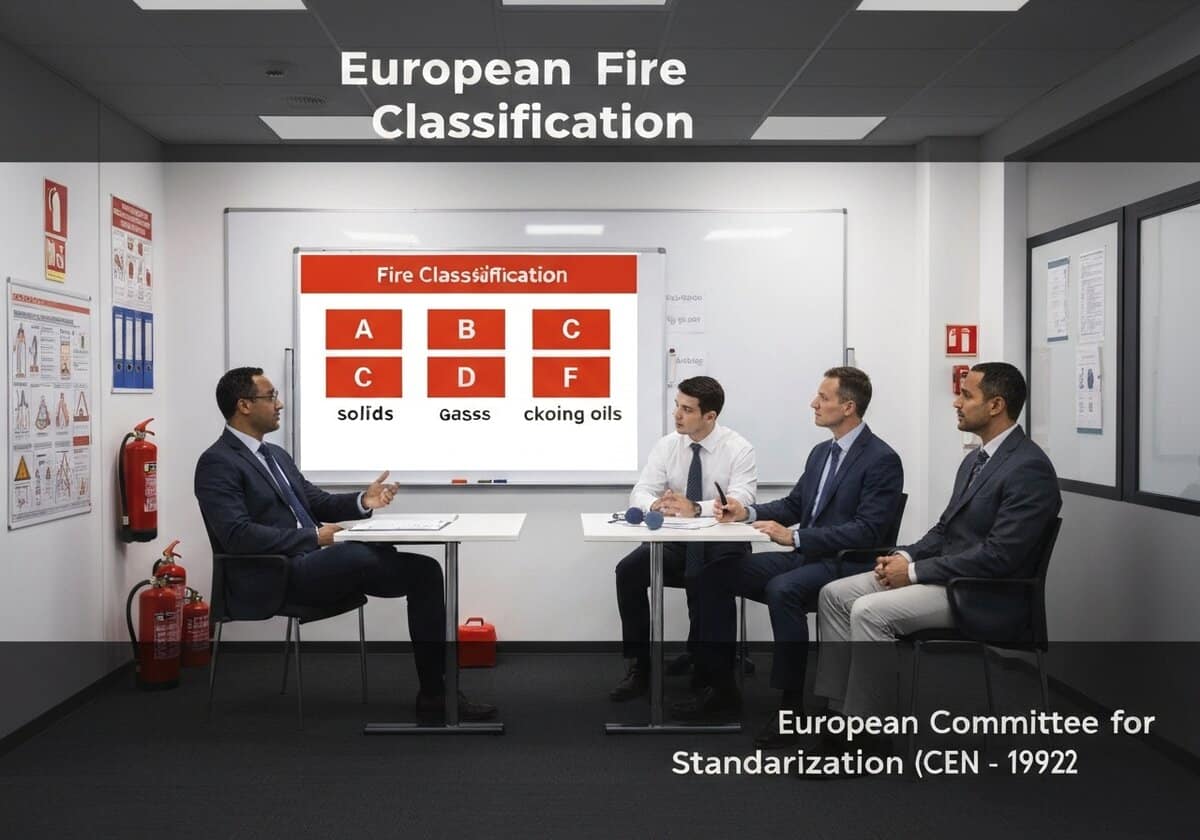
The European standard EN 2, ‘Classification of fires’, harmonizes fire classes across member nations. It defines five classes: A (solids), B (liquids), C (gases), D (metals), and F (cooking oils). A key distinction from the US system is that Class C is specifically for flammable gases, and there is no dedicated class for electrical fires; instead, the burning material is classified.
The EN 2 standard was developed to create a single, coherent system for fire classification within the European Union, replacing a patchwork of different national standards. This harmonization was crucial for the single market, ensuring that a fire extinguisher manufactured in one country would be understood and accepted in another.
The most significant departure from the American NFPA system is the treatment of electrical and gaseous fires. In EN 2, Class C is exclusively for fires involving flammable gases like propane, butane, or natural gas. This recognizes the unique hazard they present, as extinguishing the flame without stopping the gas leak can lead to the formation of an explosive gas cloud. The proper procedure is to isolate the gas supply first.
Fires involving electricity are not given their own class. The European rationale is that electricity is an ignition source, not a fuel. The fire itself involves the material that is burning, such as the plastic insulation on a wire (Class A). Therefore, an extinguisher is rated for its suitability for use on live electrical equipment (indicated on the label, often up to 1000V), but the fire is classified by its fuel. This approach is considered more technically precise, as once the power is cut, the fire’s fundamental nature is simply that of its burning material.
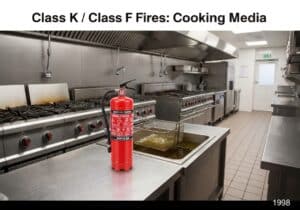
Class F for cooking fats is equivalent to the American Class K, addressing the specific challenges of high-temperature grease fires.
UNESCO Nomenclature: 3305
化学工学
前駆物質
- pre-existing national fire classification standards in various european countries
- the influence of the american nfpa classification system
- the formation of the european single market, requiring harmonized standards
- advances in understanding the specific combustion properties of gases
アプリケーション
- standardization of fire extinguisher manufacturing and testing in the eu
- pan-european building codes and fire safety regulations
- product labeling (ce marking) for fire safety equipment
- simplified trade of fire protection devices within the european single market
- multinational corporate safety training programs
潜在的なイノベーションのアイデア
ボットによるトラフィック(現在1日あたり4万件以上)を排除するため、このコンテンツはコミュニティメンバー限定となっています。
> ログイン < または > 登録 < (100%無料)でこれにアクセスできます。他のすべての制限付きコンテンツとツールも同様です。
Related to: EN 2, fire classification, CEN, Europe, class A, class B, class C, class F, fire safety, harmonization.