Product Design, Manufacturing & Innovation Resources
» 製品デザイン » デザインのヒント » 清掃のしやすさを考慮したデザインのための20のベストヒント

清掃のしやすさを考慮したデザインのための20のベストヒント

内径が小さすぎて掃除が不可能

食品や医療など、一部の業界では、清掃性を考慮した設計は必須ですが、その他の業界では、製品が使用中に清潔な状態を維持できれば十分でしょう。この記事では、従来の設計と革新的な設計について概説します。 デザインのヒント そして推奨事項。

有名なジョークから始めましょう: “シャワーを浴びる必要があるのは不潔な人だけだ― ― 人間に対しては誰もがばかげていると思うだろうが、製品に対しても同じであるべきだ。

製造時に清潔な状態を保ち、使用説明書で取り扱い注意を促したからといって、製品が清潔に保たれると期待してはいけません。積極的に清掃しやすい設計を行い、清掃手段を提供しましょう。

食品業界や医療業界だけでなく、

清掃性を考慮した設計は、当然の仕様である。

これは製品品質の認識の一部であり、 使いやすさあなたの製品は、クリーンだからといってヒーローになるわけではありませんが、そうでなければ、市場に即座に悪影響を与えるでしょう。

序文:清潔さ対消毒

清潔さと消毒は区別する必要がある。

  • 清潔さ: あらゆるサイズの堆積物がないこと(通常は目に見えるものですが、油膜や小さな埃は目に見えない場合があります)。
  • 消毒: あらゆる種類の生きた細菌(通常は目に見えないが、菌類などは目に見える場合もある)が存在しない。

一般的に言われているのは

事前に洗浄されていない物体には消毒効果は得られません。

知っておくと良いこと: 工業用洗浄業界では、「洗浄トライアングル」と呼ばれる概念が用いられています。これは、温度、薬品、動きという3つの要素が組み合わさった作用を指します。1つまたは2つの要素を増やすことで、他の要素の1つをある程度減らすことができます。例えば、洗浄液に動き、噴射、または泡を発生させながら、薬品の濃度を下げるといった方法です。

知っておくと良いこと: ほとんどの汚れは温度が上昇すると柔らかくなったり、液状化したりしますが、デンプンはまれな例外で、温度が上昇すると硬くなります。そのため、デンプンを掃除したり消毒したりする際には、その方法に注意してください。

クリーン・バイ・デザイン

最初から清掃のしやすさを考慮して設計しましょう。ユーザーの手間や所有者の手間、あるいは全く清掃しないといった事態を避けるべきです。

まずは、あまり良くない小さな例を挙げましょう。旅客エリアにある航空機の換気システムのインターフェースです。平面部分は会社によって清掃されていますが、明らかに凹部は「まあ」です。判断はあなたにお任せします。
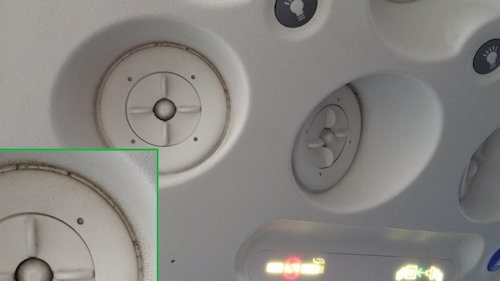
Too small inner radius impossible to clean
内径が小さすぎて掃除が不可能
Texture vs cleanness
質感と清潔感

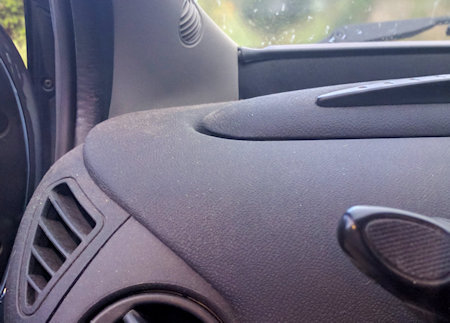
この小さな半径やプラスチック表面の質感を設計する際に、清掃のしやすさは明らかに考慮されていなかった。

表面粗さ

製造工程上必須の仕様であれ、エンドユーザー向けの機能であれ、製品の外観や経年変化を美しく見せるためには、ある程度の粗さが必要となる場合があるため、何らかの妥協が必要になることは明らかです。


最小内半径
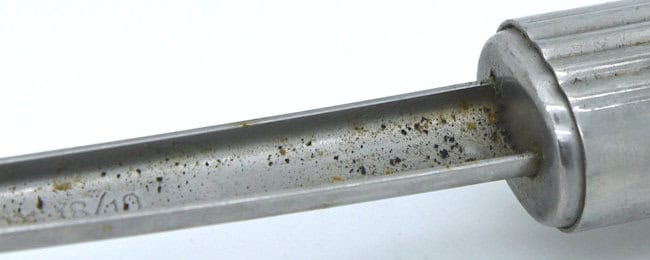
Better avoid such recess and small radius
このような窪みや小さな半径は避けた方が良いでしょう
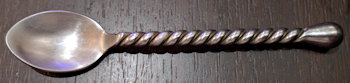
Impossible to clean spoon
スプーンを洗うのは不可能

避けるべき例として、上記の金属成形品やプラスチック成形された飛行機のコックピットを参照してください。

右側の銀色のねじれたスプーンのように、公共のレストランでさえも。清潔さを考慮したデザインは、おそらく仕様に含まれていなかったのだろう。

目的は、意図した清掃方法にアクセスできるようにすることです。大きいほど良いですが、一般的には、 最小内半径 以下に準拠する必要があります。

  • 自動CIP(定置洗浄)で洗浄する場合、2mm以上(一部のジェットノズルを含む)
  • ブラシで清掃した場合、3~4mm以上
  • 手洗いの場合は8mm以上
Clearances
許可

うまく調整された部品(と思われる)

少ないほど良い ここでは完全に適用できます。異なる部品の数をできるだけ制限してください。すべての記事を参照してください。 価値分析 そのため。

部品間の隙間や溝はすべて、洗浄不良の原因となります。ほとんどの場合、組み立ての品質に頼るべきではありません。たとえ良質な部品であっても、組み立てられた部品には何らかの隙間があり、そこに液体、ゴミ、または埃が溜まるからです。
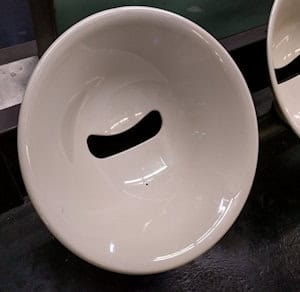


Self draining design
排水機能付き公共ベンチのデザイン

セルフドレン設計


基本的なことのように思えるが、最も忘れられがちな点のひとつだ。意図せずして「雨水収集器」を設計してしまうのは、実に簡単なことだ!埃や汚れ、そして場合によっては腐食も、必然的に発生する。

特に

  • 医学
  • 食べ物
  • 公共設備
  • 個人のキッチン設備やトイレ設備も
Access could be improved
アクセスを改善できる

アクセス可能または交換可能な部品

部品またはコンポーネントだがアクセス可能である

それらを簡単に清潔に保つため。これは以下のいずれかの方法で実現できます。

  • アクセス良好: 清掃が必要な場合は、開口部とサブアセンブリ間のスペースの両方を確認してください。
  • 使い捨て部品: 通常は患者用医療プローブです。そのため、洗浄機能は不要になります。製造業者や設計者の視点から見ると、通常ははるかに多くの投資と生産量が必要になりますが、その後、アフターサービスが生まれます。
  • 清掃を容易にするための取り外し可能な部品: -ベストプラクティス- 通常は主に高級家電製品に使用されますが、一部の領域を清掃できない場合や、製品全体が大きすぎたり壊れやすかったりする場合、ほぼすべての他の産業にも適用できます。 

意見: 過去10年間、使いやすさと初期投資の低さから市場は使い捨て部品へと移行してきたが、環境面、総所有コスト、そして廃棄物意識の両面から、この傾向は逆転するだろうと我々は考えている。

  • より長持ちするガラス プラスチック
  • 詰め替え用瓶、箱、容器の利用拡大(食品業界におけるエンドユーザー向け)
  • 金属部品に戻り、プラスチックとの統合性が向上した。

Design for Cleanability examples (or not)

Microwave integrated handle

Microwave door handle

A quality microwave with one small Design for Cleanability exception

The handle opening is lean and included/recessed in the door frame. Looks nice and would have a good value analysis.

Also, 人間工学 is great (hand width and thickness + function location is visible enough)

… but to notice is dust or liquid collector. A large bottom opening would have likely added some mold complexity and cost but would have permitted to limit the wash, and when done wash easier

Cast iron tile. 20 best tips to design for cleanability. Cleanability
cast-iron tile

Cast-iron tile

Looks great, thick, heavy, and of high quality … if these 5mm recesses were facing upwards and placed everywhere in that public restaurant. “Designed by recesses” one could say.

A good example where a choice has to be made, in this example visual against the ability to clean and maintain clean (More than 20 meters long of such tiles in that restaurant)

Solutions here: cast some transparent resin in the gaps to have a flat surface? or cover it with glass and seal it on the side? or not seal but remove it from time to time to clean?


Hospital handrail example
Hospital Handrail example

The hospital handrail

A typical example where cleanness is(should?) the 2nd Function, just after “strength to support the patient”.


Have a look at all the detailed pictures in the gallery. Can be challenged:

  • the support fixtures to the wall: screw holes, screw openings, spacing around to let an automatic screwdriver and avoid angle. Furthermore, the support shape is machined from an aluminum profile: the shape is made with a recess so that it applies firm to the wall, but that lets an open space on both sides
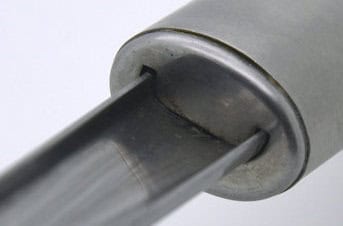
  • tube ends: is it supposed to end like that or are the ends not existing or missing? Nevertheless, prone to dirt and impossible to clean, if not invaded by aliens (chewing gum in this case)
  • bottom groove: permits to place the support at any place and to join bar ends without additional machining … at a cost of a completely noncleanable area (yes it seems to be a plastic cover for that groove … just making more non-perfectly closed volumes)

All these できる be solved, but for sure at some design cost + possibly some mounting efficiency cost.

Other Examples


Self-cleaning Materials Examples

For sure a very innovative sector to help in the Design for Cleanability, with the best yet to come with nano-technologies. A mix of physics & chemistry, with plenty of technics and applications.

  • the window glass used for modern buildings has developed some self-cleaning coatings
  • copper has some natural anti-bacterial properties known for a long time. But be careful with some association lobbying on that, as the easy corrosion of pure copper or alloys may supersede this advantage in some conditions. Refer also to the initial remark about disinfection is not cleaning.
  • チタン oxide deposits have been demonstrated to have a disinfection property by light catalytic effect. Trending!
  • chemicals included in the compound in injected plastics. Mind the change of the plastic properties, so as aging & discoloration of the surfaces.

Important note: mind that it’s not a too-well-mature sector yet. Some aspects of self-cleaning materials are not well documented yet:

    • not selecting some germs & letting others prosper even faster?
    • not increasing resistance of germs, leading to a future disaster?
    • human biocompatibility
Designed for cleanness
designed for cleanness

Summary on Design for Cleanability

Here more than elsewhere, forms follow function (fff) and forms make function (maintain clean) are keys.

Most of the time it costs only more to think about the CAD design, and frequently it produces even cheaper products, the final product having fewer parts to produce and fewer parts to assemble!

And last least: use the color trick when acceptable! some mid-dark colors or grey makes dirt not-so-visible. This is of course not the main recommended approach in Design for Cleanability as it is not cleaning but hiding, but could be a complementary way to go in some products.

External Links on Product Cleanability and Chemical Resistance Testing

(リンクにカーソルを合わせると、コンテンツの説明が表示されます)

用語集

Computer Aided Design (CAD): エンジニアリング、建築、製造などの様々な分野における設計の作成、変更、分析、最適化に使用されるソフトウェアアプリケーションであり、デジタルツールと技術を用いて精密な図面やモデルの作成を可能にする。

instruction For Use (IFU): 医療機器または製品の適切な使用、取り扱い、メンテナンスに関する詳細情報を提供し、ユーザーの安全性と有効性を確保する文書。

取り上げるトピック: 洗浄性設計、食品産業、医療産業、製品品質認識、ユーザビリティ、清潔さ、消毒、表面粗さ、最小内径、定置洗浄(CIP)、自己排水設計、アクセス可能な部品、交換可能な部品、取り外し可能な部品、使い捨て部品、工業用洗浄、クリーントライアングル、ISO 22000、ISO 13485、ISO 9001、EN 14675、およびASTM E1792。

歴史的背景

1990
1990
1990
1992
1992
1993-07-22
1996
1990
1990
1990
1991
1992
1993
1994
1997

(日付が不明または関連性がない場合、例えば「流体力学」などでは、その注目すべき出現時期の概算値が提示されます。)

人気記事

トップオリジナルツール

フルサイズの画像とダウンロードは、登録会員のみが100%無料で利用できます。