Product Design, Manufacturing & Innovation Resources

ऑटोमेशन (जिडोका)

Autonomation Jidoka

ऑटोमेशन (जिडोका)

उद्देश्य:

विनिर्माण प्रक्रिया में गुणवत्ता सुनिश्चित करने के लिए मशीनों और ऑपरेटरों को असामान्य स्थितियों का पता लगाने और काम रोकने में सक्षम बनाना।

इसका उपयोग कैसे किया जाता है:

फायदे

नुकसान

श्रेणियाँ:

इसके लिए सबसे अच्छा:

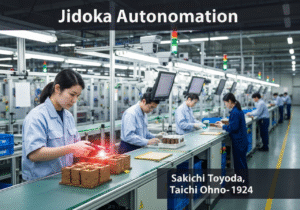
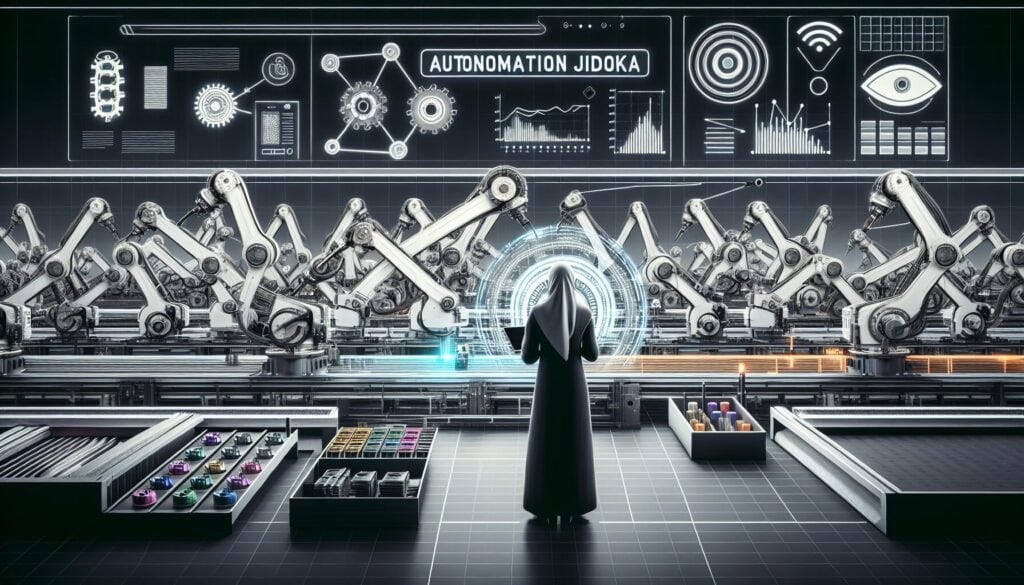
Autonomation, or Jidoka, plays an important role in various industries such as automotive, electronics, and consumer goods manufacturing, where precision and quality are paramount. In the design phase, engineers might integrate sensors and automated stopping mechanisms into machinery, enabling equipment to halt instantly when a defect is detected. This not only protects the integrity of the product but also facilitates a quick response to issues, promoting a culture of continuous improvement within teams. In an assembly line context, operators can oversee several machines, enhancing their efficiency, as they focus on problem-solving rather than merely monitoring the assembly process. Training programs for workers typically include initiatives to enhance their technical skills, allowing them to identify the root causes of defects and implement corrective measures. Participation in these initiatives may involve cross-functional teams, including engineers, quality assurance specialists, and operators, working together to establish protocols that prioritize defect prevention and operational excellence. In the context of maintenance, the method reduces the likelihood of machine breakdowns by addressing potential failures before they escalate, thereby extending equipment life and reducing maintenance costs. Various software tools are available to monitor machine performance and collect data, which can be analyzed to identify trends and areas for improvement, reinforcing the cycle of quality management and operational effectiveness.

इस पद्धति के प्रमुख चरण

  1. असामान्यताओं और खराबी का पता लगाने के लिए अंतर्निर्मित सेंसरों के साथ मशीनरी डिजाइन करें।
  2. समस्या उत्पन्न होने पर उत्पादन रोकने के लिए स्वचालित शट-ऑफ तंत्र लागू करें।
  3. समस्या उत्पन्न होने पर ऑपरेटरों को संकेत देने के लिए दृश्य चेतावनी प्रणाली को शामिल करें।
  4. मशीनों के रुकने पर ट्रेन ऑपरेटरों को सीधे समस्याओं का समाधान करने की जिम्मेदारी दी जाती है।
  5. ऑपरेटरों के लिए ऐसी प्रोटोकॉल स्थापित करें जिससे वे पता चली समस्याओं का निरीक्षण कर सकें और उनका शीघ्रता से समाधान कर सकें।
  6. खराबी के मूल कारणों की पहचान करने और सुधारात्मक कार्रवाई लागू करने के लिए रुकावट संबंधी डेटा का विश्लेषण करें।
  7. कामकाज रुकने से प्राप्त जानकारियों के आधार पर मशीनरी और प्रक्रियाओं में लगातार सुधार करें।

प्रो टिप्स

  • मशीन के प्रदर्शन और रुकावटों पर डेटा एकत्र करने के लिए आईओटी प्रौद्योगिकियों का उपयोग करने वाली रीयल-टाइम निगरानी प्रणालियों को लागू करें, जिससे विसंगतियों पर तेजी से प्रतिक्रिया देना संभव हो सके।
  • ऑपरेटरों के लिए समस्या-समाधान कौशल पर ध्यान केंद्रित करते हुए नियमित प्रशिक्षण सत्र आयोजित करें, यह सुनिश्चित करते हुए कि वे अपने कार्यप्रवाह में जिडोका सिद्धांत का प्रभावी ढंग से उपयोग कर सकें।
  • Integrate root cause analysis methodologies, such as the 5 Whys, into the post-stoppage review process to facilitate deeper understanding and long-term solutions.

विभिन्न पद्धतियों को पढ़ने और उनकी तुलना करने के लिए, हम अनुशंसा करते हैं

> व्यापक कार्यप्रणाली भंडार  <
अन्य 400 से अधिक पद्धतियों के साथ।

इस कार्यप्रणाली पर आपकी टिप्पणियाँ या अतिरिक्त जानकारी का स्वागत है। नीचे टिप्पणी अनुभाग देखें ↓ , साथ ही इंजीनियरिंग से संबंधित कोई भी विचार या लिंक।

ऐतिहासिक संदर्भ

1920
1920
1922
1924
1927
1930
1930
1920
1920
1920
1922
1925-01-01
1930
1930
1930

(यदि तिथि अज्ञात है या प्रासंगिक नहीं है, उदाहरण के लिए "द्रव यांत्रिकी", तो इसके उल्लेखनीय उद्भव का एक अनुमानित आंकड़ा प्रदान किया गया है)


शीर्ष पोस्ट और लेख

शीर्ष मूल उपकरण

पंजीकृत सदस्यों के लिए पूर्ण आकार की छवियाँ और डाउनलोड 100% निःशुल्क उपलब्ध हैं।