Product Design & Development – Level 1 - पाठ्यक्रम और परीक्षा
अकादमिक सिद्धांत और व्यावहारिक अनुप्रयोग के बीच समन्वय स्थापित करने से उत्पाद डिजाइन की दक्षता बढ़ती है और त्रुटियां कम होती हैं।
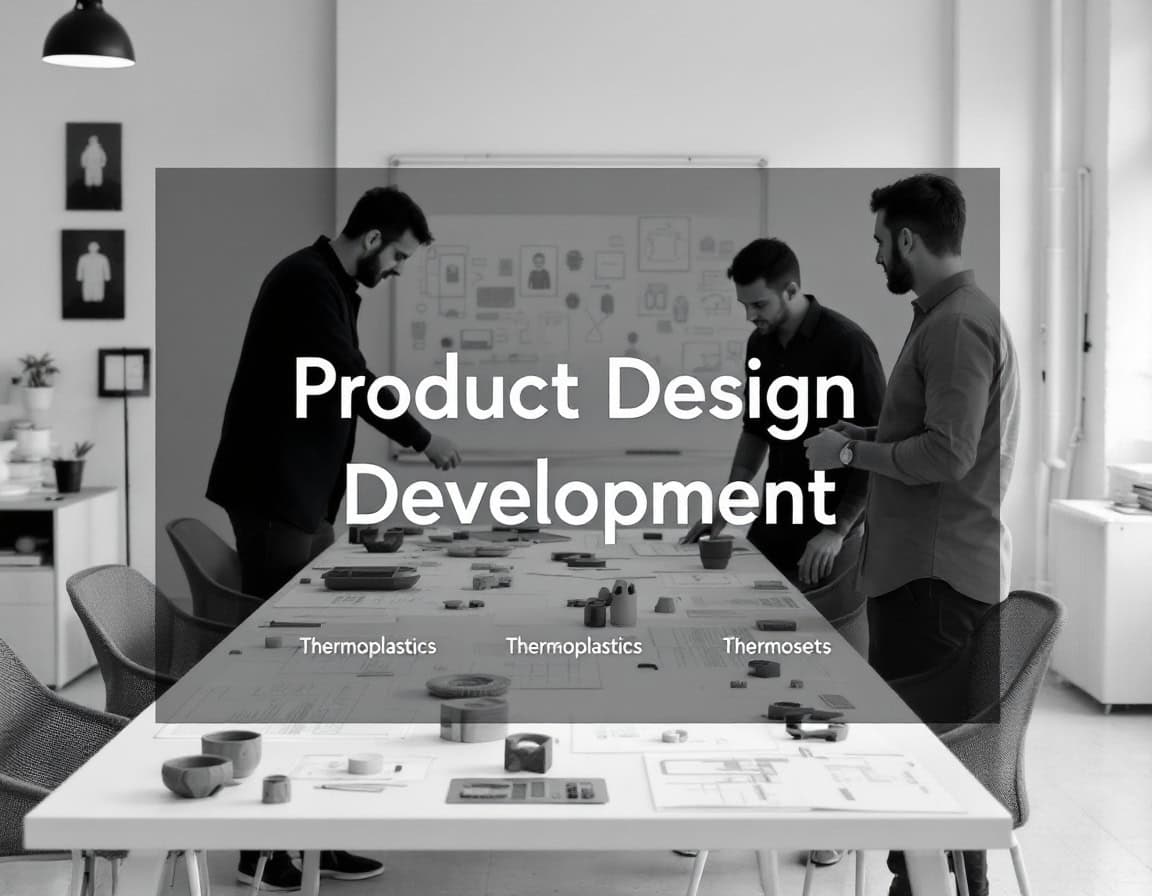
A product design engineer needs a shared vocabulary and a repeatable review habit before any cost or strategy question can be answered honestly. It opens with the terminology used across the profession, a shared glossary and the परिवर्णी शब्द set that appears in specifications, meetings and design reviews, then moves into the two questions every component must answer: does it fit, and does it function as intended. Students study design reviews of already-built products, a headlamp and a garden watering valve among them, to see how stated requirements become a working assembly, and finish with the material distinction between thermoplastics and thermosets that decides manufacturability long before a tool is cut.
For an engineer starting a career in उत्पादन रूप, or a specialist moving into consumer or industrial products from another field, this level closes the gap between academic theory and the daily practice of reading a drawing, selecting a material family and judging whether a concept sketch can become a real part. Manufacturers gain from engineers who share this vocabulary, since fewer specification errors and shorter review cycles follow directly from it.
उत्पाद डेवलपर्स को एक ऐसी टीम मिलती है जो लागत बढ़ाने से पहले डिजाइन को सरल बनाती है, एक ऐसी आदत जो सिखाने की लागत से कहीं अधिक बचत करती है।
The Concepts & Tools to Learn in this Course:
ये ज्ञान के निकाय हैं जिनका मूल्यांकन नीचे दिए गए परीक्षण में किया जाएगा:
इंजीनियरिंग शब्दावली और संक्षिप्ताक्षर साक्षरता
आकार, फिट और कार्य विश्लेषण
डिजाइन अनुशासन के रूप में रूप-कार्य का अनुसरण करता है।
डिजाइन में होने वाली आम गलतियाँ और उनसे बचने के तरीके
उत्पाद डिजाइन में सरलीकरण का सिद्धांत
थर्मोप्लास्टिक्स बनाम थर्मोसेट्स: चयन मानदंड
सीएडी सॉफ्टवेयर का परिदृश्य और चयन
किसी भौतिक उत्पाद की संरचित डिज़ाइन समीक्षा
इंजीनियरिंग ड्राइंग के नियम और पढ़ने का अभ्यास
ASME Y14.5 ज्यामितीय आयाम निर्धारण और सहनशीलता के मूल सिद्धांत
टॉलरेंस स्टैक-अप की मूल बातें
सामग्री बिल की संरचना और संशोधन नियंत्रण
सामग्री चयन चार्ट (ऐशबी विधि या अन्य)
प्रथम उत्पाद निरीक्षण और प्रोटोटाइप सत्यापन
संयोजन सिद्धांतों के लिए परिचयात्मक डिजाइन
डेटम संदर्भ फ्रेम
सतह की फिनिश और उसका कार्यात्मक प्रभाव
मानक फास्टनर और हार्डवेयर चयन
इंजीनियरिंग परिवर्तन सूचना के मूल सिद्धांत
डिजाइन समीक्षा चेकलिस्ट निर्माण
Our Suggested Readings
The list below is a special selection of our original articles, tools and methodologies available on this site.
बख्शीश: the big dot at the start of each title indicates if that post/article has already been read ( ● ), or not ( ○ ). Refresh the page if necessary.
बख्शीश: the reading progress is recorded either in a cookie (if you are not logged in or no account created), or in your site profile. Use the later to be sure not to loose your progression.
As soon as you start a given article, your progress will be indicated on top of each page to help you finish and move on to the next.
नोट: इस विशेष पाठ्यक्रम के लिए, लेखों को किसी भी क्रम में पढ़ा जा सकता है।
After you are familiar with the lectures above, so as having done your own readings, we recommend attending the Exam below.
The test consists of 20 questions in random order, out of many more, to insure novelty each time. Each completely correct answer gets you 10 points. You get a full correction at the end of the test.
If the course has different levels, the current test does not include questions of lower levels, making it … hardवह level!
radio-buttons: only 1 correct answer must be selected
check-boxes: 1 or several answers must be checked (with strict all-good-or-nothing grading logic)
बख्शीश: mouse over “Hint” to get an advise for the response.
Only innovation.world members can see it below and attend it.