Product Design, Manufacturing & Innovation Resources

التصميم البديهي

التصميم البديهي

التصميم البديهي

الهدف:

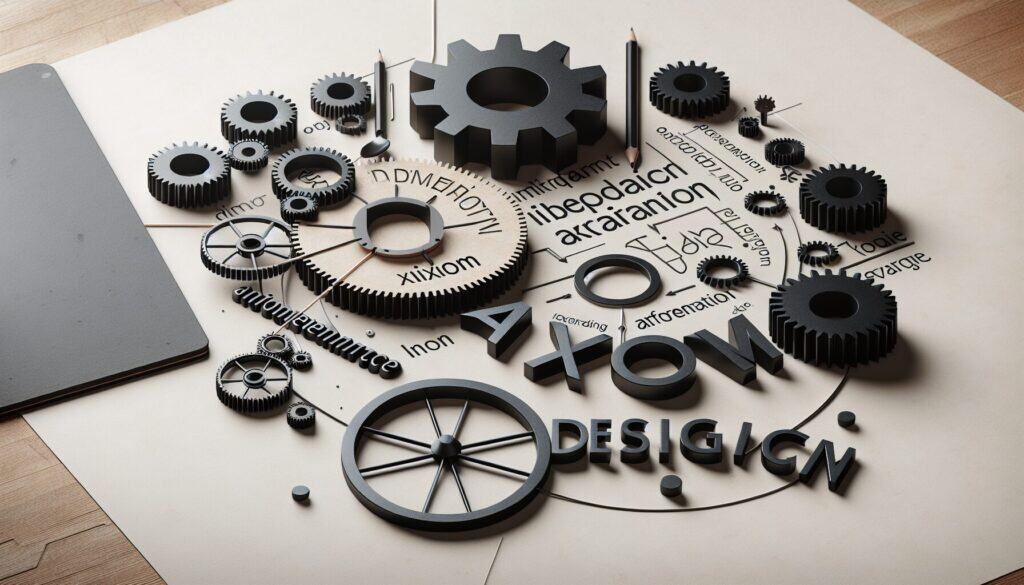
منهجية تصميم منهجية تستند إلى بديهيتين أساسيتين: بديهية الاستقلال (الحفاظ على استقلالية المتطلبات الوظيفية) وبديهية المعلومات (تقليل محتوى المعلومات / التعقيد).

كيفية استخدامه:

الايجابيات

سلبيات

الفئات:

الأفضل لـ:

Axiomatic Design methodology is widely applied in various fields including automotive, aerospace, consumer electronics, and medical device design, where maintaining high standards of performance and reliability is crucial. Engineers and product designers utilize this framework during the conceptual and detailed design phases of development projects, ensuring that each functional requirement aligns distinctly with a design parameter, which aids in minimizing unnecessary dependencies and potential conflicts. For instance, in the automotive industry, this approach can be used to design safety features where each requirement, such as crashworthiness or airbag deployment, is addressed without compromising other components of the vehicle system. Participants in this process often include cross-functional teams consisting of design engineers, manufacturing engineers, quality assurance experts, and customer representatives who contribute to defining the functional requirements based on user needs and regulatory standards. The structured nature of Axiomatic Design allows teams to systematically explore alternatives, facilitating a clear decision-making process that enhances communication and collaboration. The methodology also emphasizes the importance of simplicity in design, as less complexity not only reduces costs but also streamlines manufacturing processes and enhances user experience, leading to higher customer satisfaction. The iterative aspect of evaluating and refining design parameters against functional requirements encourages continuous improvement, making it a valuable tool for organizations looking to innovate while maintaining efficiency and robustness in their product offerings.

الخطوات الرئيسية لهذه المنهجية

  1. تحديد المتطلبات الوظيفية (FRs) بناءً على احتياجات العملاء ومتطلبات السوق.
  2. قم بتقسيم كل وظيفة إلى معلمات تصميم (DPs) من شأنها تحقيق الوظائف المطلوبة.
  3. إقامة علاقات بين مسؤولي الموارد البشرية ومسؤولي تطوير المنتجات لضمان تلبية كل مسؤول موارد بشرية بشكل مستقل من قبل مسؤول تطوير منتجات فريد.
  4. قم بتقييم المحتوى المعلوماتي للتصميم لتقليل التعقيد وتحسين المتانة.
  5. قم بتحسين التصميم بشكل متكرر من خلال عمليات المحاكاة والنماذج الأولية للتحقق من صحة العلاقات والفعالية.
  6. تحسين معايير التصميم والتأكد من أنها تلبي معايير الأداء مع الحفاظ على استقلالية متطلبات الأداء.
  7. قم بتوثيق عملية التصميم ونتائجها للرجوع إليها مستقبلاً ولإجراء التحسينات.

نصائح للمحترفين

  • استخدم أدوات المحاكاة للتنبؤ بسلوك التصميم في ظل معايير متغيرة، مما يسهل تحديد النزاعات المحتملة في وقت مبكر.
  • تطبيق تقنيات التصميم القوية لتحسين نقاط البيع من أجل المرونة في مواجهة التغيرات في ظروف التصنيع والتشغيل.
  • قم بتوثيق الأساس المنطقي وراء قرارات متطلبات الوظائف وقرارات التصميم بشكل كامل للحفاظ على الوضوح وتسهيل عمليات إعادة التصميم المستقبلية.

لقراءة عدة منهجيات ومقارنتها, نوصي باستخدام

> مستودع المنهجيات الشامل  <
مع أكثر من 400 منهجية أخرى.

نرحب بتعليقاتكم على هذه المنهجية أو المعلومات الإضافية على قسم التعليقات أدناه ↓، وكذلك أي أفكار أو روابط متعلقة بالهندسة.

السياق التاريخي

1950
1955
1956
1960
1960
1960
1960
1950
1950
1955
1958
1960
1960
1960
1960

(إذا كان التاريخ غير معروف أو غير ذي صلة، على سبيل المثال "ميكانيكا الموائع"، يتم توفير تقدير تقريبي لظهوره الملحوظ)


الصور بالحجم الكامل والتنزيلات متاحة فقط 100% مجاناً للأعضاء المسجلين.