التحسين المستمر, تحسين العمليات, ضمان الجودة, إدارة الجودة, البحث والتطوير, التحليل الإحصائي, التصميم المتمحور حول المستخدم, تصديق
Objective:
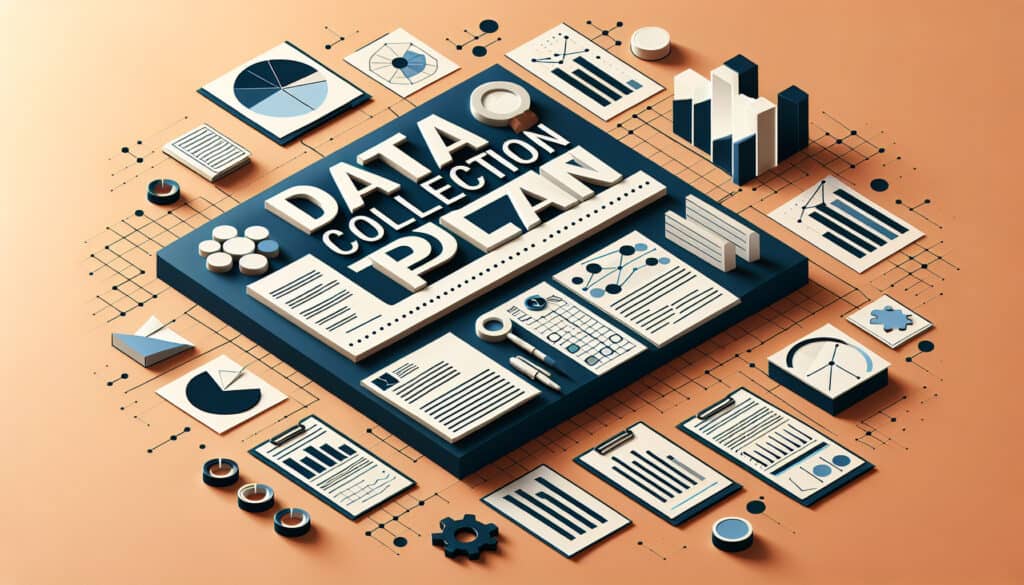
وثيقة مفصلة تحدد الإجراءات والخطوات المحددة التي سيتم اتخاذها لجمع البيانات لمشروع أو دراسة.
How it’s used:
يحدد هذا القسم البيانات المطلوبة، ومصادرها، وطرق وأدوات جمعها (مثل الاستبيانات والقياسات)، وتواترها، والجهة المسؤولة عنها. وهو جزء أساسي من أي مشروع تحسين أو بحث منهجي.
الايجابيات
يضمن جمع البيانات بشكل متسق ومنهجي؛ ويحسن موثوقية البيانات وصحتها؛ ويعمل كدليل واضح لفريق المشروع.
سلبيات
قد يستغرق إنشاء النظام وقتاً طويلاً؛ وقد يكون جامداً للغاية في حال ظهور مصادر بيانات أو مشكلات غير متوقعة؛ ويتطلب تفكيراً دقيقاً لضمان تضمين جميع البيانات الضرورية.
Categories:
هندسة, لين سيجما, إدارة المشاريع, جودة
الأفضل لـ:
ضمان جمع البيانات بطريقة متسقة وموثوقة ومنظمة لأي مشروع بحثي أو تحسيني.
A Data Collection Plan is particularly beneficial in sectors such as healthcare, manufacturing, and software development, where it aids in identifying specific metrics for quality assurance and process optimization. In healthcare, for instance, a Data Collection Plan can outline what patient data needs to be collected for clinical trials, including information on demographics, treatment protocols, and outcomes, while specifying data sources such as electronic health records and patient surveys. In manufacturing, it may drive initiatives for الإنتاج الرشيق by detailing metrics like cycle time, defect rates, or resource utilization, with participants typically including quality assurance teams, engineers, and production staff. The project phases in which this methodology is applied often involve initial stages of project planning, requirement gathering, or during iterative testing and evaluation rounds. Project managers or team leads usually initiate the plan, ensuring that team members understand who is tasked with collecting which data and at what intervals, such as daily, weekly, or monthly basis. This structured approach mitigates the risks of data fragmentation and promotes transparency, allowing for easier cross-department collaboration and integration of findings into actionable strategies. Tools utilized could range from software solutions for real-time data capturing, like specialized survey platforms, to manual techniques such as direct observations or interviews. Such organized methods of data collection not only build a comprehensive repository for analysis but also lay the groundwork for deriving actionable insights that can drive innovation within the organization.
Key steps of this methodology
تحديد متطلبات البيانات المحددة بناءً على أهداف المشروع.
تحديد مصادر البيانات، بما في ذلك المصادر الأولية والثانوية.
اختر أساليب وأدوات جمع البيانات المناسبة.
تحديد وتيرة جمع البيانات وجدولها الزمني.
قم بتوزيع مسؤوليات مهام جمع البيانات على أعضاء الفريق.
نصائح احترافية
دمج الأساليب المختلطة لجمع البيانات بهدف الحصول على رؤى كمية ونوعية، مما يعزز عمق التحليل.
قم بتعيين أدوار محددة لجمع البيانات لأعضاء الفريق لضمان المساءلة وتقليل مخاطر تكرار البيانات أو وجود ثغرات فيها.
قم بمراجعة وتحديث خطة جمع البيانات بانتظام بناءً على النتائج الأولية للبقاء مرنًا في الاستجابة للأنماط أو الاحتياجات الناشئة.
To read and compare several methodologies, we recommend the