العصف الذهني, إِبداع, التفكير التصميمي, ابتكار, تقنيات حل المشكلات, تحسين العمليات, إدارة المشاريع, العمل الجماعي, التصميم المتمحور حول المستخدم
الهدف:
عملية منظمة لحل المشاكل أو تحديد الفرص، من ابتكار أليكس أوزبورن وسيدني بارنيس.
كيفية استخدامه:
ويتبع نظام CPS عملية رسمية تنطوي على مراحل متعددة، مثل توضيح المشكلة، وتوليد الأفكار (على سبيل المثال، من خلال العصف الذهني)، وتطوير الحلول وتنفيذها. وهي تفصل بين التفكير المتباعد (توليد الأفكار) والتفكير المتقارب (تقييم الأفكار).
الايجابيات
يوفر طريقة منهجية وقابلة للتكرار للابتكار؛ يشجع على الاستكشاف الكامل للمشكلة قبل القفز إلى الحلول؛ قابل للتكيف مع مختلف المواقف.
سلبيات
يمكن أن تستغرق وقتاً طويلاً ومنظماً أكثر من العصف الذهني غير الرسمي؛ وتتطلب ميسراً والتزاماً بالعملية للحصول على أفضل النتائج.
الفئات:
التفكير, حل المشكلات
الأفضل لـ:
معالجة المشاكل المعقدة التي تتطلب حلولاً مبتكرة من خلال اتباع عملية منظمة ومتعددة المراحل.
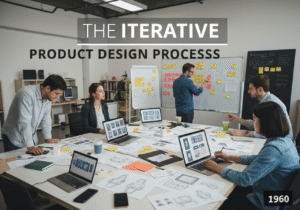
Creative Problem Solving (CPS) is particularly effective in industries such as product design, technology development, and engineering, where teams face multifaceted challenges requiring innovative approaches. It finds application in sectors like healthcare, where teams tackle issues ranging from patient experience enhancements to medical technology advancements, and in consumer goods, where companies are focused on meeting evolving customer needs and preferences. CPS is ideally implemented during the ideation and prototype phases of product development, allowing teams to explore various concepts and refine their ideas based on user feedback and testing. Cross-disciplinary collaboration among participants such as designers, engineers, marketers, and end-users is encouraged, inviting diverse viewpoints and fostering creativity. This methodology promotes a safe environment for brainstorming without fear of judgment, thereby stimulating a wide array of potential solutions. An example of its application is in automotive design, where teams might address not only aesthetic concerns but also functionality, safety, and sustainability, necessitating a thorough investigation of existing constraints and opportunities before arriving at a final design. The flexibility of the CPS approach allows organizations to adapt it to fit specific contexts and challenges, making it applicable not just in corporate settings, but also in educational environments where students engage in project-based learning and are taught to think innovatively. This structured approach not only increases the likelihood of generating effective solutions but also enhances team cohesion and collective problem-solving capability.
الخطوات الرئيسية لهذه المنهجية
تحديد التحدي أو الفرصة.
توضيح بيان المشكلة.
توليد الأفكار من خلال العصف الذهني أو تقنيات إبداعية أخرى.
صقل الأفكار وتحديد أولوياتها بناءً على الجدوى والتأثير.
تطوير نماذج أولية أو نماذج لحلول مختارة.
اختبار النماذج الأولية وتقييمها للتأكد من فعاليتها.
تنفيذ أفضل الحلول ومراقبة النتائج.
نصائح للمحترفين
استخدم رسم خرائط التعاطف خلال مرحلة توضيح المشكلة لفهم احتياجات المستخدم ونقاط الألم بعمق.
ادمج النماذج الأولية السريعة لاختبار الأفكار بسرعة، مما يسمح بتكرار الملاحظات والتنقيح قبل التنفيذ الكامل.
قم بتطبيق تقنية SCAMPER أثناء العصف الذهني لتجاوز التفكير التقليدي وصقل المفاهيم الحالية إلى حلول جديدة.